

Tottavilla vs Cappellaccia
Lullula arborea contro Galerida cristata
Fai un quiz con Tottavilla e Cappellaccia
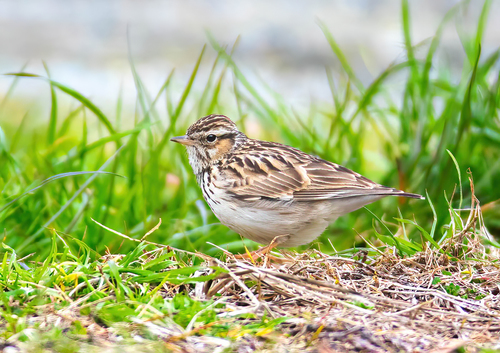 Tottavilla
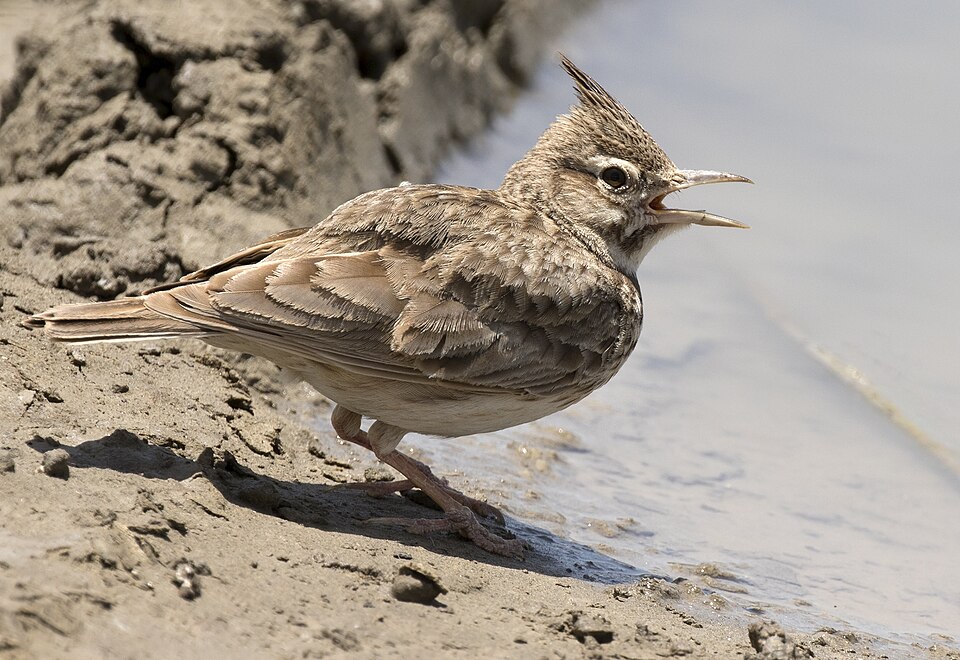 Cappellaccia
In breve
Il segno distintivo più affidabile per separare la Tottavilla dalla Cappellaccia è il supercilio bianco e audace della Tottavilla che si incontra alla nuca, formando un effetto 'occhiali' sorprendente, rispetto al volto semplice della Cappellaccia privo di tale caratteristica. In volo, la Tottavilla mostra una coda visibilmente corta con punte bianche ma manca dei lati bianchi della coda e dei bordi delle ali visti nella Allodola, mentre la Cappellaccia ha una coda corta con piume esterne marrone chiaro e sottocoda rossiccia. La cresta della Cappellaccia è sempre evidente, mentre quella della Tottavilla è molto più piccola e spesso poco appariscente. Entrambi sono allodole marroni e striate, ma un'attenta attenzione al motivo della testa, alla forma della coda e allo stile di volo li separerà nella maggior parte delle situazioni, comprese quelle per gli immaturi.
Consigli di identificazione
- Supercilio bianco che incontra la nuca (Tottavilla): Cerca la striscia bianca audace che si unisce sul retro della testa, formando un 'occhiali'—diagnostico per la Tottavilla di qualsiasi età o stagione. La Cappellaccia manca di questa caratteristica, avendo un volto semplice.
- Forma e prominenza della cresta: La cresta della Cappellaccia è lunga, appuntita e sempre evidente, specialmente quando è allerta o canta. La cresta della Tottavilla è molto più piccola e di solito poco appariscente, raramente sollevata.
- Lunghezza e forma della coda in volo: La Tottavilla ha una coda visibilmente corta, facendo spesso sembrare l'uccello compatto e tozzo in volo. Anche la coda della Cappellaccia è corta, ma l'uccello appare più massiccio e meno compatto nel complesso.
- Motivo della coda: La coda della Tottavilla è appuntita di bianco, ma manca di bianco sui lati della coda. La coda della Cappellaccia ha piume esterne marrone chiaro, senza punte o lati bianchi forti.
- Colore della sottocoda in volo: La Cappellaccia mostra sottocoda rossicce quando vola—cerca questo lampo in buona luce. Le sottocoda della Tottavilla non sono descritte come rossicce.
- Motivo facciale: Solo la Tottavilla ha il forte supercilio bianco; il volto della Cappellaccia è semplice e di tonalità terrose.
- Motivo dorsale nei giovanili: I giovani Cappellacce sono più macchiati sopra rispetto agli adulti, ma questo non è un forte separatore dalla Tottavilla, che è anche striata.
- Aspetto generale: La Tottavilla appare compatta, con coda corta e becco fine. La Cappellaccia è più massiccia, con una testa e un petto più robusti e un becco più pesante.
- Forma del becco: Il becco della Cappellaccia è più pesante e robusto, specialmente negli uccelli del Nord Africa. Il becco della Tottavilla è più fine e delicato.
- Stile di volo del canto: I maschi della Tottavilla svolazzano e spiraleggiano verso l'alto, circondando mentre cantano. La Cappellaccia canta da un posatoio o in altitudine, non durante l'ascesa, e il suo volo di canto è più ondulato.
- Canto: Il canto della Tottavilla è una serie melodiosa e ripetitiva di note 'lu-lu-lu'; quello della Cappellaccia è un warble più variegato e liquido ('whee-whee-wheeoo'). Se senti un canto continuo e circolare, sospetta la Tottavilla.
- Habitat: In brughiera aperta, radure di pino o aree sabbiose, favorisci la Tottavilla. In terreni incolti, bordi di campi o margini urbani, è più probabile trovare la Cappellaccia.
- Postura in perching: La Cappellaccia appare spesso eretta e allerta con la cresta sollevata; la Tottavilla è più orizzontale e poco appariscente.
- Abbondanza/contesto: In Gran Bretagna e nel nord Europa, la Tottavilla è locale e rara, la Cappellaccia è un vagabondo. Nel sud Europa e in Nord Africa, la Cappellaccia è comune in habitat disturbati.
- Sesso e stagione: Non ci sono forti differenze di piumaggio sessuale o stagionale in nessuna delle due specie; tutte le età e i sessi possono essere separati dai segni sopra menzionati.
Taglia
La Tottavilla è più piccola, misurando 13.5–15 cm di lunghezza, circa il 20% più corta della Allodola e nettamente più compatta della Cappellaccia. La Cappellaccia è più grande e massiccia, con una lunghezza di circa 17 cm e un'apertura alare di 29–38 cm, pesando 37–55 g. Sul campo, la Cappellaccia appare più pesante e robusta intorno alla testa e al petto, mentre la Tottavilla è più delicata e complessivamente più compatta.
Piumaggio
- Uccelli giovanili/immaturi: I giovani Cappellacce hanno più macchie sulla schiena rispetto agli adulti, ma questo non è un forte segno distintivo contro la Tottavilla, che è anche striata sopra. La differenza chiave è il supercilio bianco della Tottavilla che incontra la nuca, presente in tutte le età, e la mancanza di un forte motivo facciale nella Cappellaccia.
- Adulti: La Tottavilla è marrone sopra, chiara sotto, con una piccola cresta, spesso nascosta, e il distintivo supercilio bianco. In volo, la Tottavilla mostra una coda corta con punte bianche, ma senza bianco sui lati della coda o sul bordo posteriore dell'ala. Anche la Cappellaccia è marrone e striata, ma mostra sempre una cresta prominente e appuntita e un volto semplice. La sua coda è corta con piume esterne marrone chiaro, e in volo, le sottocoda sono rossicce—una caratteristica assente nella Tottavilla. Entrambi mancano del forte bordo bianco posteriore e dei lati della coda della Allodola.
- Sessi: Entrambe le specie sono simili tra i sessi; non ci sono dimorfismi sessuali utili per l'identificazione sul campo.
Comportamento
I maschi della Tottavilla eseguono voli di canto svolazzanti e a spirale, circondando a un'altezza abbastanza costante, e entrambi i sessi possono cantare dal terreno o da un posatoio. La Cappellaccia canta in volo, ma la sua esibizione è più ondulata e spesso canta dal terreno o in altitudine, non durante l'ascesa. La cresta della Cappellaccia è spesso sollevata durante l'esibizione o il canto, rendendola più evidente. Entrambe le specie si nutrono a terra, ma la Cappellaccia è più probabile da vedere in habitat disturbati o ai margini urbani, spesso vicino a strade o terreni incolti.
Habitat
La Tottavilla preferisce brughiere aperte e sabbiose, radure nei boschi di pino e spazi aperti con alberi sparsi, specialmente nell'Europa occidentale e centrale. È meno probabile trovarla in aree urbane o altamente disturbate. La Cappellaccia è più generalista, spesso trovata in terreni incolti, bordi di campi e persino nei sobborghi delle città o lungo le strade, specialmente nel sud Europa e in Nord Africa. Se vedi un'allodola in un ambiente molto urbano o disturbato, è più probabile che sia una Cappellaccia; in brughiera o radure di pino, è favorita la Tottavilla.
Voce
Il canto della Tottavilla è una serie melodiosa e gorgheggiante di note ripetute 'lu-lu-lu', spesso eseguito in un volo continuo e circolare. Il canto della Cappellaccia è più liquido e gorgheggiante, descritto come 'whee-whee-wheeoo' o 'twee-tee-too', e di solito viene eseguito da un posatoio o in altitudine, non durante l'ascesa. Entrambi sono cantori esperti, ma il canto della Tottavilla è più flautato e ripetitivo, mentre quello della Cappellaccia è più variegato e meno musicale.