

White Ibis vs Mignattaio
Eudocimus albus contro Plegadis falcinellus
Fai un quiz con White Ibis e Mignattaio
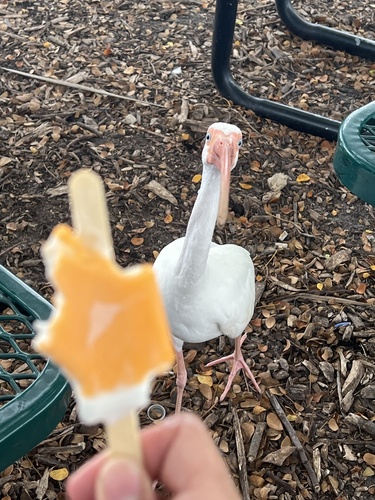 White Ibis
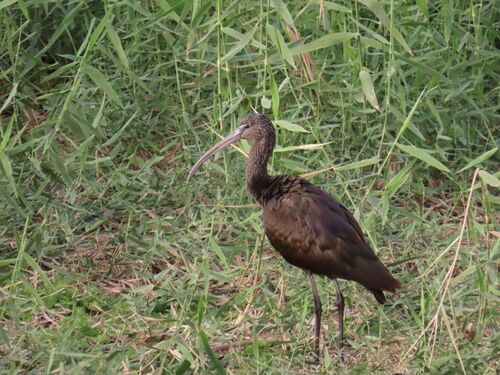 Mignattaio
In breve
Il segno distintivo più affidabile tra White Ibis e Mignattaio è il colore complessivo del piumaggio negli adulti: White Ibis è di un bianco brillante con punte nere alle ali (visibili principalmente in volo), mentre Mignattaio è un uccello scuro, marrone castagna con ali iridescenti verdi o viola. Gli immaturi White Ibis sono marroni con parti inferiori e coda bianche, rendendoli confusamente simili a Mignattaio a distanza, ma i giovani Mignattaio sono uniformemente marroni scuri senza bianco sull'addome o sulla coda. Anche il colore del becco e delle gambe differisce: l'adulto White Ibis mostra un lungo becco e gambe di un brillante arancione-rosso, mentre Mignattaio ha un becco più opaco, marrone e gambe scure. Entrambe le specie volano con il collo e le gambe distesi, ma White Ibis è più robusto e con gambe più corte. Un'attenta attenzione all'età, specialmente in volo, è cruciale per separare gli immaturi.
Consigli di identificazione
- Piumaggio adulto: White Ibis è completamente bianco con punte nere alle ali (visibili in volo); Mignattaio è marrone rossiccio scuro con ali iridescenti e non mostra mai piumaggio bianco.
- Piumaggio immaturo: L'immaturo White Ibis è marrone sopra con parti inferiori e coda bianche; gli immaturi Mignattaio sono uniformemente marroni scuri senza bianco sull'addome o sulla coda. Questo è il segno più utile per separare i giovani e gli uccelli non in riproduzione, specialmente in volo.
- Colore del becco: L'adulto White Ibis ha un lungo becco curvo verso il basso di un brillante arancione-rosso; Mignattaio ha un becco più opaco, marrone. Il colore del becco è meno affidabile negli immaturi ma comunque utile in buona luce.
- Colore delle gambe: Gli adulti White Ibis hanno gambe arancione-rosse (che diventano rosso-viola durante il picco della riproduzione), mentre le gambe del Mignattaio sono marrone rossiccio scuro. Il colore delle gambe può essere difficile da vedere a distanza ma è utile a distanza ravvicinata.
- Pelle facciale: Il Mignattaio in piumaggio di riproduzione mostra un sottile bordo facciale blu o cobalto; White Ibis ha pelle facciale rosa, particolarmente evidente negli adulti.
- Struttura: White Ibis è più robusto e relativamente con gambe corte; Mignattaio è più snello e allungato. Nei gruppi misti, White Ibis si distingue come più pesante e compatto.
- Schema di volo: Entrambi volano con il collo e le gambe distesi, ma White Ibis spesso appare più pesante e più diretto; Mignattaio è più grazioso e snodato in volo.
- Schema delle ali in volo: Solo l'adulto White Ibis mostra punte nere alle ali su ali altrimenti bianche; le ali del Mignattaio sono uniformemente scure e iridescenti, senza contrasto bianco o nero.
- Habitat: White Ibis è più costiero e favorisce le zone umide aperte; Mignattaio preferisce le paludi interne con vegetazione densa ma può sovrapporsi in alcune aree.
- Composizione del gruppo: Nei gruppi misti, cerca gli uccelli bianchi o parzialmente bianchi (White Ibis) tra quelli uniformemente scuri (Mignattaio).
- Postura e alimentazione: Entrambe le specie si muovono e frugano in acque poco profonde, ma White Ibis può apparire più robusto e meno delicato rispetto al Mignattaio.
- Cambiamenti stagionali: Il colore del becco e delle gambe del White Ibis si intensifica durante la stagione di riproduzione; il Mignattaio sviluppa un bordo facciale blu. Questi segni sono sottili ma possono aiutare in visioni ravvicinate.
- Differenze sessuali: Entrambe le specie mostrano poco dimorfismo sessuale nel piumaggio, ma i maschi di White Ibis sono più grandi e hanno becchi più lunghi e robusti rispetto alle femmine; questo non è un segno affidabile a meno che gli uccelli non siano affiancati.
- Confusione giovanile: Gli immaturi White Ibis possono essere scambiati per Mignattaio, ma controlla la presenza di parti inferiori e coda bianche; se assenti, sospetta Mignattaio.
- Quando in dubbio: Se l'uccello è uniformemente scuro senza bianco da nessuna parte, è un Mignattaio. Se mostra del bianco sulle parti inferiori o sulla coda, specialmente in un uccello marrone, è un immaturo White Ibis.
Taglia
White Ibis è il più grande e robusto dei due, con una massa media adulta di circa 900 g rispetto ai 633 g del Mignattaio [wikidata]. White Ibis appare più compatto e relativamente con gambe corte per un grande trampoliere, mentre Mignattaio è più snello e allungato. Nei gruppi misti, White Ibis si distingue come l'uccello più pesante e robusto, ma la dimensione da sola non è sempre affidabile a causa della sovrapposizione e della postura.
Piumaggio
- Uccelli giovanili/immaturi: Gli immaturi White Ibis sono per lo più marroni sopra con parti inferiori e coda bianche, e man mano che maturano, le piume bianche appaiono sulla schiena, sostituendo infine il marrone in due anni. I giovani Mignattaio e gli adulti non in riproduzione sono uniformemente marroni scuri, senza bianco sull'addome o sulla coda a qualsiasi età. Questo rende la presenza o l'assenza di bianco sulle parti inferiori e sulla coda il segno chiave per gli immaturi in volo o a riposo.
- Adulti: L'adulto White Ibis è completamente bianco tranne che per le punte nere alle ali, che di solito sono visibili solo in volo. Gli adulti Mignattaio hanno un corpo marrone rossiccio con ali e schiena fortemente iridescenti (verdi, bronzo o viola) e non mostrano mai piumaggio bianco. Durante la riproduzione, il Mignattaio ha un sottile bordo facciale bianco, ma questo è molto meno evidente rispetto a specie simili e non è presente nel White Ibis.
- Becco e gambe: L'adulto White Ibis ha un becco curvo verso il basso di un brillante arancione-rosso e gambe, intensificandosi durante la stagione di riproduzione; il Mignattaio ha un becco marrone e gambe scure, con pelle facciale bordata di blu-grigio o blu cobalto a seconda della stagione.
Comportamento
Entrambe le specie volano con il collo e le gambe distesi, spesso in linee sciolte o formazioni a V. White Ibis è noto per volare in linee ondulate con battiti e planate alternati, a volte librandosi in cerchi ad alta quota. Anche il Mignattaio forma formazioni a V ed è grazioso in volo, ma è generalmente più nomade e dispersivo, specialmente dopo la riproduzione. Entrambe le specie sono sociali, spesso viste in gruppi, ma White Ibis può apparire più compatto e pesante in volo.
Habitat
White Ibis si trova più spesso in zone umide costiere e vicino-costiere del sud-est degli Stati Uniti, della Costa del Golfo e dei Caraibi, favorendo paludi aperte, fanghi e acque poco profonde. Il Mignattaio preferisce zone umide dolci o salmastre con vegetazione emergente densa, come canne e papiro, ed è meno comune negli habitat costieri. Il Mignattaio è più probabile trovarlo in paludi interne, pianure alluvionali e persino terreni agricoli irrigati, e si riposa in modo comunitario sugli alberi, a volte lontano dalle aree di alimentazione. Si verifica una sovrapposizione degli habitat, specialmente durante la migrazione o in colonie miste, ma White Ibis è più legato a ambienti aperti e costieri.