
Chiurlo piccolo vs Chiurlo maggiore
Numenius phaeopus contro Numenius arquata
Fai un quiz con Chiurlo piccolo e Chiurlo maggiore
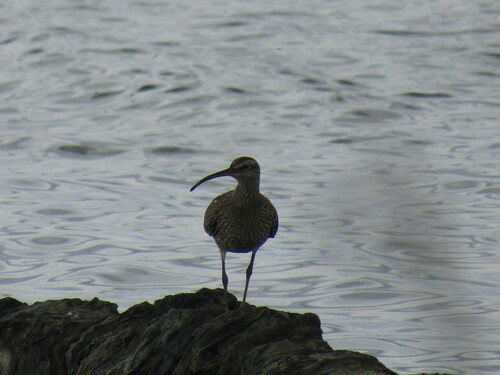 Chiurlo piccolo
 Chiurlo maggiore
In breve
Il modo più affidabile per separare il Chiurlo piccolo dal Chiurlo maggiore è per dimensione e forma del becco: il Chiurlo piccolo è nettamente più piccolo con un becco più corto e piegato, mentre il Chiurlo maggiore è molto più grande con un becco molto lungo e curvato. In volo, il Chiurlo piccolo (in Europa/Asia) mostra un caratteristico sopracciglio bianco e una parte bassa della schiena, una caratteristica che il Chiurlo maggiore non ha. Entrambi sono trampolieri bruni con lunghe gambe e becchi ricurvi, ma un attento esame della struttura e del motivo della parte bassa della schiena risolverà la maggior parte delle confusioni, specialmente con gli uccelli in volo o a distanza. Le differenze nel piumaggio sono sottili, quindi la struttura e il modello di volo sono i tuoi migliori strumenti.
Consigli di identificazione
- Sopracciglio bianco in volo (solo Chiurlo piccolo): In Europa e Asia, il Chiurlo piccolo mostra un brillante sopracciglio bianco e una parte bassa della schiena, facilmente visibile come un lampo quando l'uccello decolla o vola via. Il Chiurlo maggiore ha un sopracciglio bruno che si abbina al resto delle parti superiori. Questo è il segno di campo più affidabile in volo per tutte le età.
- Dimensione e massa: Il Chiurlo maggiore è molto più grande e pesante, con un collo e gambe più lunghi. Se vedi entrambi insieme, la differenza è ovvia. Da solo, confronta con trampolieri vicini: il Chiurlo maggiore sovrasta le pittime e i Combattenti, mentre il Chiurlo piccolo è più simile per dimensioni alla Pittima minore.
- Forma del becco: Il becco del Chiurlo piccolo è lungo ma visibilmente più corto di quello del Chiurlo maggiore, con un 'punto' distintivo vicino alla punta (non una curva liscia). Il becco del Chiurlo maggiore è estremamente lungo (soprattutto nelle femmine), curvato dolcemente e privo di un punto. La lunghezza del becco è meglio giudicata quando l'uccello è di lato e la testa non è inclinata.
- Motivo della testa: Il Chiurlo piccolo mostra un forte sopracciglio chiaro che divide le strisce scure della corona, dando un aspetto di testa striata. Il Chiurlo maggiore ha una testa più semplice con un sopracciglio meno evidente e privo delle forti strisce della corona.
- Lunghezza delle gambe: Le gambe del Chiurlo maggiore sono più lunghe e appaiono più grigio-blu, mentre quelle del Chiurlo piccolo sono più corte e di un grigio più neutro. Questo è sottile ma può aiutare quando gli uccelli si trovano in acque poco profonde.
- Forma in volo: Il Chiurlo maggiore in volo appare con ali lunghe e gambe lunghe, con i piedi che si estendono ben oltre la coda. Il Chiurlo piccolo è più compatto, con ali e gambe più corte.
- Voce: Ascolta il forte e malinconico 'curloo-oo' del Chiurlo maggiore rispetto al fischio frizzante e gorgogliante del Chiurlo piccolo. I richiami vengono spesso emessi in volo o quando sono allarmati.
- Contesto dell'habitat: Nelle aree di nidificazione settentrionali (tundra, brughiera), il Chiurlo piccolo è più probabile. Nei prati e nelle praterie di pianura, specialmente nelle zone temperate, il Chiurlo maggiore è tipico. Durante la migrazione e in inverno, entrambi possono verificarsi insieme negli estuari.
- Occorrenza stagionale: Il Chiurlo piccolo è più probabile come migratore di passaggio in molte aree, specialmente in primavera e autunno. Il Chiurlo maggiore può essere presente tutto l'anno o come visitatore invernale.
- Trappole nel piumaggio: Entrambi sono bruni con pance chiare e parti superiori striate. Non fare affidamento sul colore generale o sulle striature per separarli; concentrati sulla struttura e sul motivo della parte bassa della schiena.
- Differenze sessuali: La femmina del Chiurlo maggiore ha il becco più lungo, ma determinare il sesso del Chiurlo maggiore è inaffidabile a meno che tu non veda una coppia chiara. Il Chiurlo piccolo mostra poco dimorfismo sessuale sul campo.
- Confusione giovanile: Gli uccelli giovanili e di primo inverno di entrambe le specie somigliano agli adulti nella struttura e nel modello di volo, quindi si applicano gli stessi segni. Il sopracciglio bianco del Chiurlo piccolo è presente dalla schiusa.
- In posa vs. in volo: Il motivo della parte bassa della schiena è visibile solo in volo o quando l'uccello apre la coda. Quando è in posa, fai affidamento su dimensione, becco e motivo della testa.
- Fagotti misti: In fagotti misti negli estuari, cerca gli uccelli più piccoli e più compatti con forti strisce sulla testa (Chiurlo piccolo) tra i Chiurli maggiori più grandi e con becco lungo.
- Contesto geografico: In Nord America, fai attenzione all'Hudsonian Chiurlo piccolo, che manca del sopracciglio bianco; in Europa/Asia, tutti i Chiurli piccoli mostrano il sopracciglio bianco, rendendo la separazione dal Chiurlo maggiore semplice.
Taglia
Il Chiurlo maggiore è il trampoliere più grande nel suo areale, misurando 50–60 cm di lunghezza e pesando in media oltre 800 g (intervallo 410–1360 g) [wikidata], con un'apertura alare di 89–106 cm. Il Chiurlo piccolo è molto più piccolo, con una lunghezza di 37–47 cm, un peso di 270–493 g e un'apertura alare di 75–90 cm [wikipedia]. Anche a distanza, il Chiurlo maggiore appare più massiccio e con un collo più lungo, con un becco e gambe proporzionalmente più lunghi. Quando visti insieme, il Chiurlo piccolo appare notevolmente più compatto e leggero.
Piumaggio
- Viste in volo di giovanili/immaturi: Il Chiurlo piccolo (Eurasiatico/Palearctico) mostra un prominente sopracciglio bianco e una parte bassa della schiena in volo, in contrasto con il resto delle parti superiori. Il Chiurlo maggiore ha una parte bassa della schiena e una schiena uniformemente brune, priva di questa macchia bianca. Questo contrasto della parte bassa della schiena è il segno più utile sugli uccelli in volo di qualsiasi età.
- Adulti (in posa): Entrambi sono generalmente grigio-bruni sopra e chiari sotto, con parti superiori striate. Il Chiurlo piccolo può apparire un po' più nitidamente disegnato, ma questo è sottile e inaffidabile a distanza. Entrambi hanno un sopracciglio chiaro, ma quello del Chiurlo piccolo è tipicamente più pronunciato e divide le strisce scure della corona, mentre quello del Chiurlo maggiore è meno evidente.
- Becco: Il becco del Chiurlo piccolo è lungo e ricurvo, ma più corto e con un 'punto' distintivo vicino alla punta; il becco del Chiurlo maggiore è molto lungo, curvato dolcemente e, nelle femmine in particolare, può apparire esageratamente lungo.
- Gambe: Entrambi hanno gambe grigie, ma quelle del Chiurlo maggiore sono spesso descritte come grigio-blu e appaiono più lunghe in proporzione al corpo.
Comportamento
Entrambe le specie si nutrono sondando nel fango morbido o raccogliendo prede dalla superficie, spesso in habitat umidi o costieri simili. Il Chiurlo maggiore, essendo più grande, può apparire più lento e più deliberato nei suoi movimenti, con una portata più lunga grazie al suo becco e alle sue gambe. Il Chiurlo piccolo è più attivo e può sembrare più compatto e agile. In volo, le ali e le gambe più lunghe del Chiurlo maggiore gli conferiscono un volo più languido e potente, mentre il Chiurlo piccolo appare più veloce e più galleggiante.
Habitat
Entrambe le specie si sovrappongono ampiamente in fanghi costieri, estuari e praterie umide, specialmente al di fuori della stagione di nidificazione. Il Chiurlo piccolo nidifica più a nord (tundra subartica, brughiera) ed è più probabile vederlo come migratore di passaggio in molte aree, mentre il Chiurlo maggiore nidifica in tutta l'Europa temperata e in Asia in prati e praterie aperte. In inverno, entrambi possono essere trovati insieme negli estuari, ma il Chiurlo maggiore è più probabile che sia residente o invernante nelle parti meridionali del suo areale.
Voce
Il Chiurlo piccolo emette un fischio gorgogliante, spesso un trill ripetuto e frizzante. Il richiamo del Chiurlo maggiore è un forte e prolungato 'curloo-oo', molto più squillante e malinconico. Entrambi i richiami sono distintivi con l'esperienza, ma quello del Chiurlo maggiore è di tono più basso e più risonante, mentre quello del Chiurlo piccolo è più veloce e più musicale.
Chiurlo piccolo · Chiurlo maggiore · I miei uccelli difficili