

Motmot

Welcome Swallow vs Storno

Hirundo neoxena contro Sturnus vulgaris

Fai un quiz con Welcome Swallow e Storno

Welcome Swallow (Hirundo neoxena) Welcome Swallow
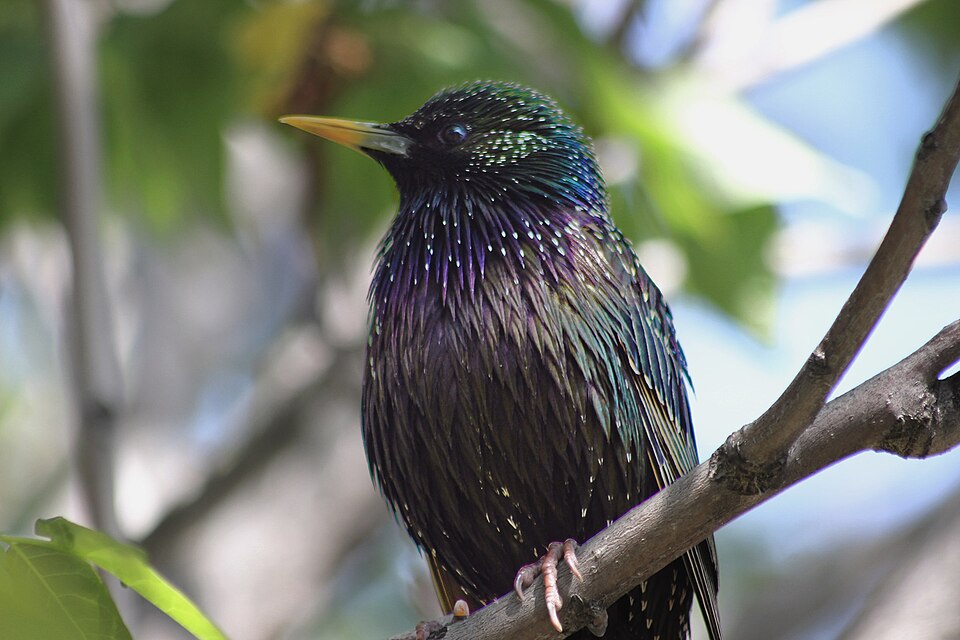
Storno (Sturnus vulgaris) Storno

Media

Caricamento…

In breve

The most reliable field mark to separate Welcome Swallow from Common Starling is overall structure and flight style: Welcome Swallow is a tiny, slender, long-tailed bird with a deeply forked tail and graceful, agile flight, while Common Starling is much larger, stockier, short-tailed, and flies with rapid, direct wingbeats. Juvenile Welcome Swallows have buffy faces and short tails, but still look slim and swallow-like, whereas juvenile starlings are brownish and lack any rufous or blue gloss. In all plumages, Welcome Swallow shows a metallic blue-black back and rufous forehead/throat, while Common Starling is iridescent black with variable white spotting. Structure, size, and tail shape are the quickest ways to avoid confusion, especially in flight.

Consigli di identificazione

  1. Size and Shape: Welcome Swallow is tiny and slim with a long, deeply forked tail; Common Starling is much larger, stocky, and has a short, squared tail. Size difference is dramatic in direct comparison.
  2. Tail Shape: Swallow's long, forked tail with white spots (adults) or shorter but still forked in juveniles is unique; starling's tail is short, squared, and never forked or spotted.
  3. Flight Style: Swallow flies with graceful, looping, acrobatic movements, often low over water or fields; starling flies direct and fast with rapid wingbeats and short glides, never as agile or buoyant as a swallow.
  4. Upperparts Color: Swallow is metallic blue-black above; starling is iridescent black with purple/green gloss and white spots in winter, never blue.
  5. Face and Throat: Swallow has a rufous (adult) or buffy (juvenile) forehead and throat; starling never shows rufous or buffy on the face.
  6. Underparts: Swallow is pale grey below; starling is dark below, sometimes with white spots, never pale.
  7. Bill Shape and Color: Swallow has a short, broad bill; starling has a long, narrow, blade-like bill, yellow in summer and dark in winter.
  8. Legs: Swallow's legs are short and inconspicuous; starling's legs are long, stout, and pinkish or reddish, often visible when walking.
  9. Juvenile Plumage: Juvenile swallows are pale below with buffy face and short tail; juvenile starlings are uniform grey-brown, lacking any strong contrast or color.
  10. Tail Spots: Only swallow has a row of white spots on tail feathers (adults); starling never shows this feature.
  11. Perched Posture: Swallow perches upright and slim, often on wires; starling perches more horizontally, appearing bulky and round-bellied.
  12. Flock Behavior: Swallows are usually in small groups or pairs; starlings gather in large, dense, noisy flocks, especially outside the breeding season.
  13. Ground Behavior: Swallows rarely land on the ground; starlings walk or run on the ground, often foraging in open areas.
  14. Voice: Swallow's calls are soft and twittering; starling is loud, varied, and often mimics other species.
  15. Habitat Context: If seen skimming water or flying low in open airspace, likely a swallow; if seen walking on lawns or gathering in noisy flocks, likely a starling.

Taglia

Welcome Swallow is much smaller and lighter (body mass ~15g) than Common Starling (which weighs 58–101g and is about 20 cm long). Swallow is about 15 cm long including its long tail streamers, while starling is 19–23 cm long with a shorter tail. The swallow is delicate and slim, while the starling is robust, round-bellied, and heavyset. Even at a distance, the size gap is obvious if both are seen together.

Piumaggio

Juvenile Welcome Swallows have a buffy-white forehead and throat (not rufous like adults) and shorter tail streamers, but still show a pale belly and blue-black upperparts. Juvenile Common Starlings are overall grey-brown, lacking any blue, rufous, or strong contrast, and have a uniform look. Adult Welcome Swallows are metallic blue-black above, pale grey below, with a rich rufous forehead, throat, and upper breast, and a long, deeply forked tail with white spots on the tail feathers. Adult Common Starlings are iridescent black with purple or green gloss, heavily speckled with white in winter, and less so in summer as the pale tips wear off. Starlings have a short, squared tail and no rufous or blue tones. In flight, swallows show a slim, pointed wing and long tail streamers; starlings have triangular wings and a short tail, with no white tail spots.

Comportamento

Welcome Swallows are extremely agile aerial feeders, flying low in open areas with swift, looping or circular patterns, often skimming water or swooping around animals. They drink on the wing and rarely walk on the ground. Common Starlings walk or run on the ground with a waddling gait, forage in flocks, and have a strong, direct flight with rapid wingbeats and short glides. Starlings often gather in dense, noisy flocks and perform coordinated takeoffs and murmurations, while swallows are usually seen singly, in pairs, or loose groups, rarely in tight flocks.

Habitat

Welcome Swallow is native to Australia and nearby islands, and now widespread in New Zealand, favoring open fields, water bodies, and human-modified landscapes. Common Starling is widespread in Eurasia and introduced elsewhere, found in urban areas, farmland, and open country. Both can occur near people, but swallows are more tied to open airspace and water, while starlings are often seen feeding on lawns, fields, and urban settings.

Voce

Welcome Swallow gives quiet twittering and soft warbling notes, with a sharp whistle for alarm, but their calls are not loud or far-carrying. Common Starling is much more vocal, with a loud, varied repertoire of whistles, clicks, and mimicry, often delivered from a perch or in flight. Starling flocks are noisy and conspicuous, while swallow vocalizations are subtle and easily missed.

Invia una descrizione migliore

Usa le stesse sezioni del confronto. Il testo viene pubblicato subito.

The most reliable field mark to separate Welcome Swallow from Common Starling is overall structure and flight style: Welcome Swallow is a tiny, slender, long-tailed bird with a deeply forked tail and graceful, agile flight, while Common Starling is much larger, stockier, short-tailed, and flies with rapid, direct wingbeats. Juvenile Welcome Swallows have buffy faces and short tails, but still look slim and swallow-like, whereas juvenile starlings are brownish and lack any rufous or blue gloss. In all plumages, Welcome Swallow shows a metallic blue-black back and rufous forehead/throat, while Common Starling is iridescent black with variable white spotting. Structure, size, and tail shape are the quickest ways to avoid confusion, especially in flight.

  1. Size and Shape: Welcome Swallow is tiny and slim with a long, deeply forked tail; Common Starling is much larger, stocky, and has a short, squared tail. Size difference is dramatic in direct comparison.
  2. Tail Shape: Swallow's long, forked tail with white spots (adults) or shorter but still forked in juveniles is unique; starling's tail is short, squared, and never forked or spotted.
  3. Flight Style: Swallow flies with graceful, looping, acrobatic movements, often low over water or fields; starling flies direct and fast with rapid wingbeats and short glides, never as agile or buoyant as a swallow.
  4. Upperparts Color: Swallow is metallic blue-black above; starling is iridescent black with purple/green gloss and white spots in winter, never blue.
  5. Face and Throat: Swallow has a rufous (adult) or buffy (juvenile) forehead and throat; starling never shows rufous or buffy on the face.
  6. Underparts: Swallow is pale grey below; starling is dark below, sometimes with white spots, never pale.
  7. Bill Shape and Color: Swallow has a short, broad bill; starling has a long, narrow, blade-like bill, yellow in summer and dark in winter.
  8. Legs: Swallow's legs are short and inconspicuous; starling's legs are long, stout, and pinkish or reddish, often visible when walking.
  9. Juvenile Plumage: Juvenile swallows are pale below with buffy face and short tail; juvenile starlings are uniform grey-brown, lacking any strong contrast or color.
  10. Tail Spots: Only swallow has a row of white spots on tail feathers (adults); starling never shows this feature.
  11. Perched Posture: Swallow perches upright and slim, often on wires; starling perches more horizontally, appearing bulky and round-bellied.
  12. Flock Behavior: Swallows are usually in small groups or pairs; starlings gather in large, dense, noisy flocks, especially outside the breeding season.
  13. Ground Behavior: Swallows rarely land on the ground; starlings walk or run on the ground, often foraging in open areas.
  14. Voice: Swallow's calls are soft and twittering; starling is loud, varied, and often mimics other species.
  15. Habitat Context: If seen skimming water or flying low in open airspace, likely a swallow; if seen walking on lawns or gathering in noisy flocks, likely a starling.

Welcome Swallow is much smaller and lighter (body mass ~15g) than Common Starling (which weighs 58–101g and is about 20 cm long). Swallow is about 15 cm long including its long tail streamers, while starling is 19–23 cm long with a shorter tail. The swallow is delicate and slim, while the starling is robust, round-bellied, and heavyset. Even at a distance, the size gap is obvious if both are seen together.

Juvenile Welcome Swallows have a buffy-white forehead and throat (not rufous like adults) and shorter tail streamers, but still show a pale belly and blue-black upperparts. Juvenile Common Starlings are overall grey-brown, lacking any blue, rufous, or strong contrast, and have a uniform look. Adult Welcome Swallows are metallic blue-black above, pale grey below, with a rich rufous forehead, throat, and upper breast, and a long, deeply forked tail with white spots on the tail feathers. Adult Common Starlings are iridescent black with purple or green gloss, heavily speckled with white in winter, and less so in summer as the pale tips wear off. Starlings have a short, squared tail and no rufous or blue tones. In flight, swallows show a slim, pointed wing and long tail streamers; starlings have triangular wings and a short tail, with no white tail spots.

Welcome Swallows are extremely agile aerial feeders, flying low in open areas with swift, looping or circular patterns, often skimming water or swooping around animals. They drink on the wing and rarely walk on the ground. Common Starlings walk or run on the ground with a waddling gait, forage in flocks, and have a strong, direct flight with rapid wingbeats and short glides. Starlings often gather in dense, noisy flocks and perform coordinated takeoffs and murmurations, while swallows are usually seen singly, in pairs, or loose groups, rarely in tight flocks.

Welcome Swallow is native to Australia and nearby islands, and now widespread in New Zealand, favoring open fields, water bodies, and human-modified landscapes. Common Starling is widespread in Eurasia and introduced elsewhere, found in urban areas, farmland, and open country. Both can occur near people, but swallows are more tied to open airspace and water, while starlings are often seen feeding on lawns, fields, and urban settings.

Welcome Swallow gives quiet twittering and soft warbling notes, with a sharp whistle for alarm, but their calls are not loud or far-carrying. Common Starling is much more vocal, with a loud, varied repertoire of whistles, clicks, and mimicry, often delivered from a perch or in flight. Starling flocks are noisy and conspicuous, while swallow vocalizations are subtle and easily missed.

Scartare le modifiche?

Hai modifiche non salvate. Se esci ora, andranno perse.

Welcome Swallow · Storno · I miei uccelli difficili