

Spioncello vs Spioncello marino
Anthus spinoletta contro Anthus petrosus
Fai un quiz con Spioncello e Spioncello marino
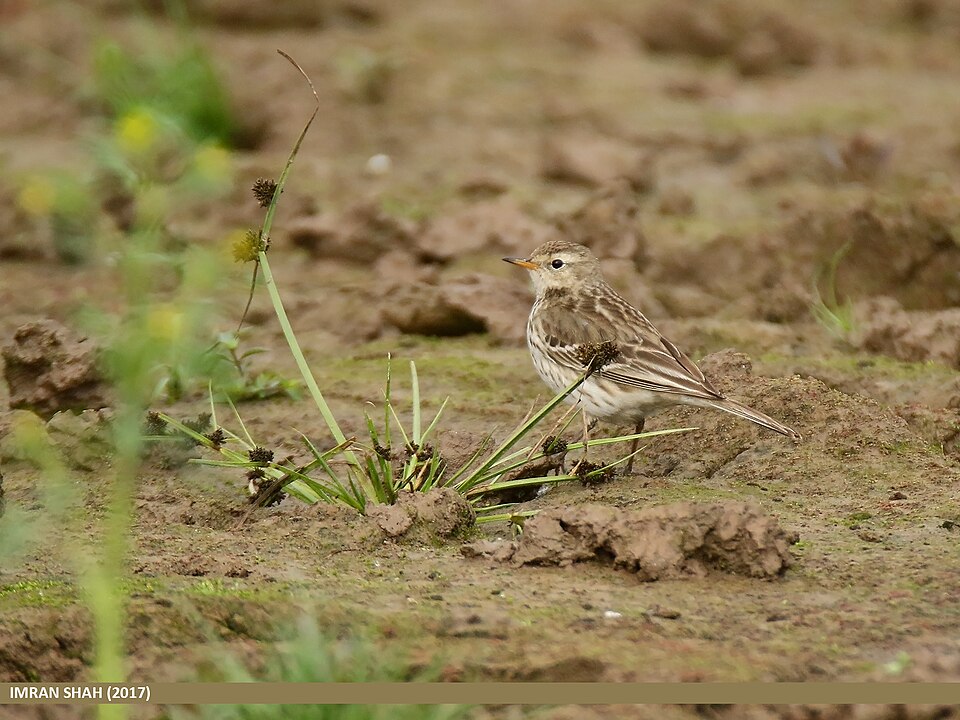 Spioncello
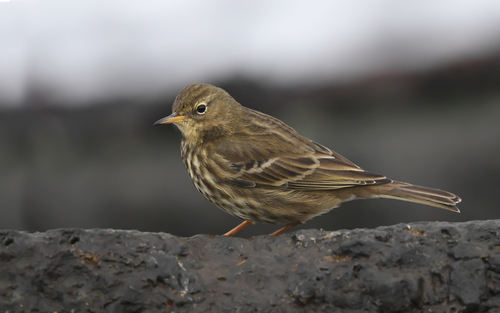 Spioncello marino
In breve
Il segno di campo più affidabile per separare lo Spioncello dal Spioncello marino è il colore delle penne esterne della coda: lo Spioncello mostra penne esterne della coda bianche e pulite (tutte le età), mentre quelle dello Spioncello marino sono scure o color sabbia. In abito nuziale, lo Spioncello è più chiaro sotto con un forte sopracciglio bianco e meno striature, mentre lo Spioncello marino è più scuro, con più striature e manca di un sopracciglio chiaro. Gli uccelli immaturi di entrambe le specie possono sembrare simili, ma i giovani Spioncello sono più chiari e più striati sotto, con un bordo della coda più bianco. L'habitat è anche un forte indizio: lo Spioncello nidifica in prati montani o alpini, lo Spioncello marino sulle coste rocciose. La struttura e le dimensioni si sovrappongono, ma lo Spioncello tende a sembrare con la coda più lunga e più eretta.
Consigli di identificazione
- Schema della coda in volo (tutte le età): Lo Spioncello mostra penne esterne della coda bianche; quelle dello Spioncello marino sono scure o color sabbia. Questo è il segno più affidabile in tutte le stagioni e età.
- Sopracciglio (nuziale/adulto): Lo Spioncello ha un forte sopracciglio bianco, specialmente in abito nuziale; quello dello Spioncello marino è debole o assente tranne in alcuni esemplari littoralis, che possono mostrare un sopracciglio chiaro ma mai così audace come lo Spioncello.
- Colore delle parti inferiori (nuziale/adulto): Lo Spioncello è chiaro sotto con una sfumatura rosa-sabbia sul petto, che sfuma in un ventre biancastro; lo Spioncello marino è color sabbia sotto, pesantemente striato e mai così pulito o chiaro.
- Striature (tutte le età): Lo Spioncello ha meno striature sul petto e sui fianchi (nuziale), con striature spesso deboli o limitate; lo Spioncello marino è più pesantemente e diffusamente striato sotto, specialmente sui fianchi.
- Parte superiore (tutte le età): Lo Spioncello è più grigio sopra, specialmente sulla testa; lo Spioncello marino è più marrone o oliva affumicata, con meno contrasto tra testa e dorso.
- Colore delle zampe: Entrambi hanno zampe scure, quindi questo non è utile.
- Becco e iris: Entrambi sono scuri, non un separatore.
- Abito giovanile/immaturo: I giovani Spioncello sono più chiari e più striati sotto, con bordi della coda più bianchi; i giovani Spioncello marino sono più marroni, più pesantemente striati sopra e hanno penne esterne della coda scure.
- Struttura: Lo Spioncello spesso appare con la coda più lunga e più eretta, specialmente quando è all'erta; lo Spioncello marino è più robusto e più orizzontale.
- Comportamento: Lo Spioncello è più diffidente e si allontana a maggiore distanza; lo Spioncello marino è più confidente sulle rocce.
- Habitat: Lo Spioncello si trova in prati montani, pianure umide o margini fangosi; lo Spioncello marino è strettamente costiero su rocce e alghe.
- Confusione tra sottospecie: Lo Spioncello marino littoralis in estate può mostrare un sopracciglio chiaro e parti inferiori rossastre, somigliando allo Spioncello, ma lo schema della coda (scuro vs bianco) e l'habitat rimangono affidabili.
- Differenze sessuali: Entrambe le specie sono simili tra i sessi; le femmine di Spioncello possono avere una testa più grigia, ma questo è sottile e non diagnostico sul campo.
- Cambiamenti stagionali: Lo Spioncello è più chiaro nella stagione riproduttiva, più opaco e più striato in inverno; lo Spioncello marino è sempre più scuro e più striato, con meno cambiamenti stagionali.
- Vocalizzazioni: I richiami sono leggermente diversi; il 'pseep' dello Spioncello marino è più acuto, il 'fist' dello Spioncello è più sottile e di tono più alto, ma questi sono meglio utilizzati come segni di supporto.
Taglia
Lo Spioncello è lungo 15–17 cm e pesa 18.7–23 g, mentre lo Spioncello marino è leggermente più grande a 16.5–17 cm e 18–32.5 g. Sul campo, entrambi appaiono simili in lunghezza, ma lo Spioncello marino può sembrare più robusto, specialmente in mano o a distanza ravvicinata. Tuttavia, la dimensione non è un segno di campo affidabile a causa della sovrapposizione e delle differenze di postura.
Piumaggio
- Uccelli giovanili/immaturi: I giovani di entrambe le specie somigliano a pipit opachi e striati, ma i giovani Spioncello sono più chiari sopra e sotto, con striature più prominenti sulle parti inferiori e un bordo della coda più bianco. I giovani Spioncello marino sono più marroni, più pesantemente striati sopra e hanno penne esterne della coda scure.
- Abito nuziale adulto: Lo Spioncello è chiaro sotto con una sfumatura rosa-sabbia sul petto e un forte sopracciglio bianco; le parti superiori sono marrone-grigiastro con striature deboli. Lo Spioncello marino è più scuro, con parti superiori oliva affumicata, parti inferiori color sabbia pesantemente striate di marrone e manca di un forte sopracciglio. La testa dello Spioncello è più grigia, specialmente nelle femmine.
- Abito non nuziale: Lo Spioncello diventa marrone-grigio sopra, il sopracciglio meno distintivo, le parti inferiori più bianche con striature marroni chiare su petto/fianchi. Lo Spioncello marino rimane più scuro, con striature più diffuse e un viso meno contrastante. Lo Spioncello marino littoralis può mostrare un sopracciglio chiaro e parti inferiori rossastre in estate, ma le penne esterne della coda rimangono scure, non bianche.
- Coda: Lo Spioncello ha sempre penne esterne della coda bianche (a volte con un accenno di grigio in alcune sottospecie), mentre quelle dello Spioncello marino sono scure o color sabbia. Questo è visibile in volo e spesso quando è appollaiato.
Comportamento
Entrambe le specie sono terrestri e camminano con un'andatura simile, ma lo Spioncello appare spesso più eretto ed è tipicamente più diffidente, allontanandosi a maggiore distanza. Lo Spioncello marino è altamente territoriale sulle coste rocciose e può consentire un avvicinamento più ravvicinato. Nella display, i maschi dello Spioncello marino eseguono voli di canto a paracadute sul territorio; la display dello Spioncello è meno appariscente. Entrambe le specie si nutrono a terra, ma lo Spioncello è più probabile che venga visto in aree aperte, erbose o fangose, mentre lo Spioncello marino si attiene a rocce e alghe.
Habitat
L'habitat è un forte separatore: lo Spioncello nidifica in prati montani o alpini e sverna in pianure umide, paludi o valli fluviali, raramente vicino al mare. Lo Spioncello marino è strettamente costiero, nidificando e svernando su coste rocciose, moli e spiagge coperte di alghe. Anche in inverno, la sovrapposizione è minima. Se visto nell'entroterra, lo Spioncello è di gran lunga più probabile.
Voce
Il canto dello Spioncello marino è una sequenza tintinnante di note cheep, richiami gee ascendenti e un breve trill, mentre il canto dello Spioncello è diverso (non dettagliato qui). Il richiamo in volo dello Spioncello marino è un acuto 'pseep', intermedio tra il Pipit di Prato e lo Spioncello. Il richiamo dello Spioncello è un breve e sottile 'fist.' I richiami sono sottili e non sempre diagnostici, ma quello dello Spioncello è di tono più alto e più sottile.