

Wahlberg's Eagle vs Ayres's Hawk-Eagle
Hieraaetus wahlbergi contro Hieraaetus ayresii
Fai un quiz con Wahlberg's Eagle e Ayres's Hawk-Eagle
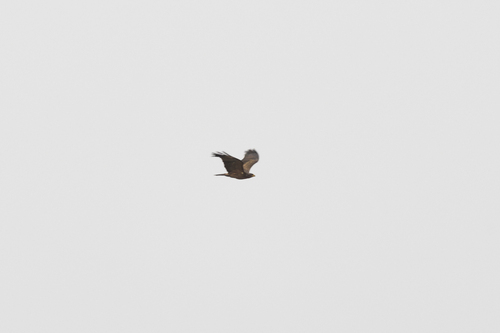 Wahlberg's Eagle
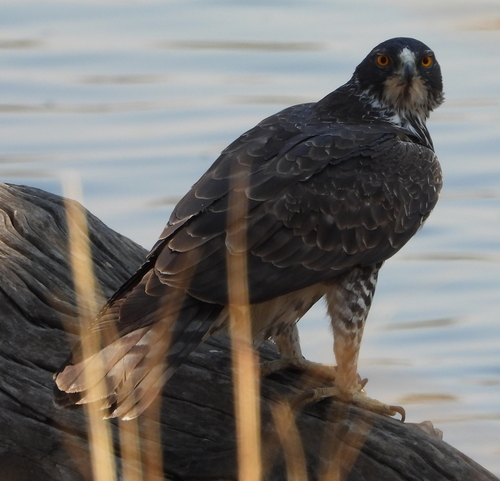 Ayres's Hawk-Eagle
In breve
Il segno di campo più affidabile tra l'Aquila di Wahlberg e l'Aquila di Ayres è il modello delle ali inferiori e delle parti inferiori in volo, specialmente nei giovani e negli adulti: l'Aquila di Ayres mostra sempre un ventre sorprendentemente bianco con macchie scure audaci e penne delle ali inferiori scure e pesantemente barrate, mentre l'Aquila di Wahlberg è molto più semplice sotto, con toni marroni variabili e meno contrasto, e spesso mostra un pannello grigiastro o biancastro sulle ali inferiori e sulla coda (specialmente nelle forme chiare). L'Aquila di Ayres è anche più compatta, con una coda più corta e un aspetto più agile e simile a un falco, rispetto all'Aquila di Wahlberg, che ha ali più lunghe e un aspetto più simile a un'aquila. Entrambe possono mostrare una piccola cresta, ma quella di Wahlberg è più probabile che appaia di un marrone uniforme, mentre quella di Ayres è sempre audacemente disegnata sotto. L'Aquila di Ayres giovane è bianca sotto con marcature scure sparse, mentre i giovani di Wahlberg sono più marroni e meno contrastanti. Usa prima il modello delle parti inferiori e delle ali inferiori, poi controlla la struttura e il modello della coda.
Consigli di identificazione
- Modello delle ali inferiori in volo (tutte le età): L'Aquila di Ayres mostra sempre un'ala inferiore audace, scura e pesantemente barrata senza pannello chiaro; l'Aquila di Wahlberg è molto più semplice sotto, spesso con un pannello grigiastro o biancastro sulle ali inferiori e sulla coda, specialmente nelle forme chiare.
- Contrasto delle parti inferiori (adulti e immaturi): L'Aquila di Ayres è sorprendentemente bianca sotto con pesanti macchie scure e macchie, specialmente sul petto e sull'addome; l'Aquila di Wahlberg è uniformemente marrone o scura, a volte con un ventre più chiaro ma mai con macchie audaci.
- Piumaggio giovanile: L'Aquila di Ayres giovane è bianca sotto con marcature scure sparse e scura sopra; i giovani di Wahlberg sono più uniformemente marroni con meno contrasto.
- Modello della coda: L'Aquila di Ayres ha una coda grigia cenere con una larga punta nera e diverse barre scure strette; la coda di Wahlberg è barrata di grigio ma meno nettamente marcata e spesso appare più semplice.
- Zampe: L'Aquila di Ayres ha zampe completamente bianche e ben piumate; le zampe di Wahlberg sono gialle e meno appariscenti.
- Cresta: Entrambe possono mostrare una piccola cresta, ma questa non è affidabile per la separazione.
- Dimensioni e struttura: L'Aquila di Ayres è più compatta e simile a un falco, con una coda più corta e un volo più agile; l'Aquila di Wahlberg è più robusta, con ali più lunghe e un aspetto più simile a un'aquila.
- Stile di volo: L'Aquila di Ayres esegue manovre rapide e agili simili a un falco; l'Aquila di Wahlberg vola con ali piatte ed è più stabile in volo.
- Habitat: L'Aquila di Ayres si trova più spesso in boschi densi o ai margini delle foreste; l'Aquila di Wahlberg è più probabile che si trovi sopra terreni aperti ed è più migratoria.
- Forme di piumaggio: L'Aquila di Wahlberg può essere molto scura o marrone chiaro, ma non mostra mai il modello audace bianco e nero dell'Aquila di Ayres; l'Aquila di Wahlberg chiara può essere confondente ma manca delle pesanti macchie delle parti inferiori.
- Dimorfismo sessuale: Entrambe le specie mostrano femmine più grandi dei maschi, ma questo non è utile sul campo a meno che gli uccelli non siano affiancati.
- Uccelli posati: L'Aquila di Ayres appare più eretta e allerta, con un ventre bianco audace e un petto macchiato; l'Aquila di Wahlberg è più uniformemente marrone e più robusta.
- Becco e piedi: L'Aquila di Ayres ha un becco bluastro con una punta nera e una cere gialla; il becco di Wahlberg è meno contrastante, ma questo è raramente diagnostico a distanza.
- Contesto: Se vista nel sud dell'Africa durante la stagione delle piogge, entrambe sono possibili, ma l'Aquila di Wahlberg è più probabile in terreni aperti, l'Aquila di Ayres in boschi.
- Insidie: Fai attenzione alle Aquile di Wahlberg chiare, che possono apparire più chiare sotto ma non mostrano mai le parti inferiori macchiate e le ali inferiori barrate dell'Aquila di Ayres. Controlla sempre prima il modello delle ali inferiori e le macchie delle parti inferiori.
Taglia
L'Aquila di Ayres è leggermente più piccola e più compatta dell'Aquila di Wahlberg, anche se entrambe sono rapaci di dimensioni medie. L'Aquila di Ayres pesa in media circa 839,5 g [wikidata], con maschi leggeri fino a 615 g e femmine fino a 1.150 g. L'Aquila di Wahlberg è simile in lunghezza (53–61 cm contro 44–57 cm per l'Aquila di Ayres), ma ha un'apertura alare più lunga (130–146 cm contro 106–137 cm) e le femmine possono essere più pesanti (fino a 1.400 g). Sul campo, l'Aquila di Ayres appare più simile a un falco e agile, mentre l'Aquila di Wahlberg è più robusta e con ali più lunghe.
Piumaggio
L'Aquila di Ayres giovane e immatura è bianca sotto con marcature marroni scure sparse sul petto, sull'addome e sui fianchi, e marrone scuro sopra; man mano che matura, diventa più scura e marrone sotto prima di raggiungere il modello audace da adulto. L'Aquila di Ayres adulta è sempre sorprendentemente bianca sotto con pesanti macchie scure e macchie, specialmente sul petto e sull'addome, e ha penne delle ali inferiori scure e pesantemente barrate senza pannello chiaro. La coda è grigia cenere con una larga punta nera e diverse barre scure strette. L'Aquila di Wahlberg, al contrario, è molto più semplice: gli adulti e i giovani sono solitamente di un marrone scuro uniforme, a volte con una piccola cresta, e le ali inferiori e la coda sono grigiastre o biancastre con barrature scure, specialmente nelle forme chiare. L'Aquila di Wahlberg mostra molto meno contrasto sotto, e la forma chiara può apparire molto più chiara ma non mostra mai il modello audace bianco e nero dell'Aquila di Ayres. Entrambe le specie hanno zampe gialle, ma l'Aquila di Ayres ha zampe piumate di un bianco puro, mentre quelle di Wahlberg sono gialle e meno appariscenti. In volo, l'Aquila di Ayres mostra sempre un'ala inferiore scura e pesantemente barrata, mentre l'Aquila di Wahlberg è più uniforme e può mostrare un pannello chiaro.
Comportamento
L'Aquila di Ayres è più agile e simile a un falco in volo, spesso eseguendo manovre rapide e acrobatiche e picchiate veloci. L'Aquila di Wahlberg è più simile a un'aquila, planando con ali piatte e volo più lento e costante. Entrambe possono essere viste da sole o in coppia, ma l'Aquila di Wahlberg è più probabile che voli in alto e copra grandi distanze, mentre l'Aquila di Ayres è spesso vista cacciare ai margini dei boschi o eseguire voli di display. Entrambe le specie possono mostrare una piccola cresta, ma l'Aquila di Ayres è più probabile che appaia allerta e attiva, mentre l'Aquila di Wahlberg può posarsi più eretta e apparire più robusta.
Habitat
Entrambe le specie abitano boschi e savane africane, ma l'Aquila di Wahlberg è più diffusa e migratoria, spesso vista planare sopra terreni aperti o ai margini dei boschi. L'Aquila di Ayres è più legata a boschi densi e ai margini delle foreste, ed è meno probabile che venga vista in savane molto aperte. Se vista in boschi profondi o ai margini delle foreste, è più probabile che sia l'Aquila di Ayres; se sta planando in alto sopra terreni aperti, è più probabile che sia l'Aquila di Wahlberg.
Wahlberg's Eagle · Ayres's Hawk-Eagle · I miei uccelli difficili