
Prispolone vs Prispolone indiano
Anthus trivialis contro Anthus hodgsoni
Fai un quiz con Prispolone e Prispolone indiano
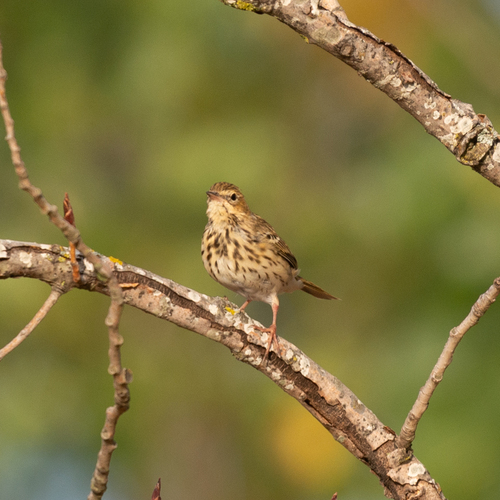 Prispolone
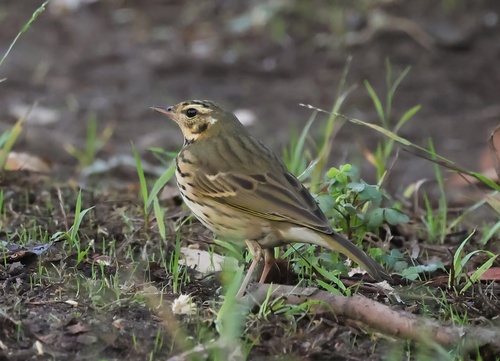 Prispolone indiano
In breve
Il segno distintivo più affidabile tra Prispolone e Prispolone indiano è il colore del dorso e il motivo della testa: il Prispolone indiano mostra un dorso di tonalità oliva, meno striato, e un forte supercilium pallido ben definito, mentre il Prispolone ha un dorso più marrone e più striato e un supercilium meno prominente. Entrambe le specie sono simili in dimensioni e possono essere confuse sul campo, specialmente quando viste posate o a terra. Il Prispolone tende a mostrare un becco più pesante e un contrasto più netto tra il suo petto color buff e il ventre bianco, mentre il Prispolone indiano è più uniformemente color buff sotto con striature che si estendono sui fianchi. In volo, entrambe possono sembrare simili, ma l'habitat e il comportamento possono aiutare: il Prispolone è più probabile trovarlo in boschi aperti o habitat di margine, il Prispolone indiano in aree più dense e boschose. I richiami e il canto sono simili, ma quello del Prispolone indiano è più veloce e di tono più alto.
Consigli di identificazione
- Back color: il Prispolone indiano ha un dorso di tonalità oliva con meno, più fini striature; il dorso del Prispolone è più marrone e più pesantemente striato. Questo è spesso il segnale visivo più rapido, specialmente in buona luce.
- Supercilium: il Prispolone indiano mostra un forte supercilium pallido ben definito (sopracciglio) che si estende dietro l'occhio, dando al viso un aspetto più marcato. Il supercilium del Prispolone è meno prominente e meno nettamente definito.
- Wingbars: il Prispolone indiano di solito ha due chiare bande alari bianche, visibili sia posato che in volo. Le bande alari del Prispolone sono meno ovvie e possono essere difficili da vedere a meno che non siano a distanza ravvicinata.
- Underpart contrast: il Prispolone mostra un forte contrasto tra un petto color buff e un ventre molto più bianco. Il Prispolone indiano è più uniformemente color buff o biancastro sotto, con striature che si estendono sui fianchi, rendendo il contrasto meno evidente.
- Bill structure: il Prispolone ha un becco più pesante, leggermente più largo rispetto al becco più fine del Prispolone indiano. Questo può essere sottile e meglio giudicato con un confronto affiancato o buone foto.
- Tail pattern: entrambe le specie hanno penne esterne della coda bianche, ma quelle del Prispolone indiano sono spesso più luminose e più contrastanti, specialmente in volo.
- Head pattern: la combinazione di dorso oliva, forte supercilium e viso più marcato fa sembrare il Prispolone indiano più 'pulito' e contrastante rispetto al Prispolone.
- Perching behavior: il Prispolone è più probabile che si posi apertamente su alberi o fili, specialmente durante i voli di corteggiamento. Il Prispolone indiano tende a rimanere più in basso e più nascosto in coperture più dense.
- Flight display: il Prispolone esegue un volo di canto distintivo, sollevandosi da un posatoio e paracadutandosi con ali rigide. Il volo del Prispolone indiano è più scattoso e ondulato, e non si esibisce nello stesso modo.
- Habitat: negli habitat misti o di margine, il Prispolone è più probabile; in boschi densi, specialmente in Asia, il Prispolone indiano è favorito.
- Voice: il richiamo del Prispolone è un forte "spek"; quello del Prispolone indiano è un "tseep" o "spek" più acuto e veloce. Le differenze nel canto sono sottili, ma quello del Prispolone indiano è più veloce e più alto.
- Season and range: entrambe sono migratori a lungo raggio, ma il Prispolone è diffuso in Europa e nel Palearctico occidentale, il Prispolone indiano principalmente in Asia e nel nord-est dell'Europa. Possono verificarsi vagabondi, quindi controlla sempre tutte le caratteristiche.
- Sex and age: i sessi sono simili in entrambe le specie. Le piume giovanili e immature non sono descritte in dettaglio per il motivo dell'ala superiore, quindi fai affidamento sul colore del dorso, sul supercilium e sul contrasto delle parti inferiori per tutte le età.
- Pitfalls: una scarsa illuminazione può offuscare le tonalità olive del Prispolone indiano, facendolo apparire più marrone e più simile al Prispolone. Allo stesso modo, un Prispolone arruffato può sembrare più voluminoso di quanto non sia. Usa sempre una combinazione di segni.
- When in doubt: concentrati sul motivo della testa (supercilium e viso), sul colore del dorso e sul contrasto delle parti inferiori come i segni di campo più affidabili, e considera l'habitat e il comportamento come indizi di supporto.
Taglia
Entrambe le specie sono molto simili in dimensioni, con il Prispolone che pesa in media 23.5g e il Prispolone indiano 22.0g [wikidata]. Visivamente, sono entrambe pipit di piccole dimensioni, simili a un passero, e la dimensione da sola non è un separatore affidabile sul campo. Se mai, il Prispolone può apparire leggermente più robusto, ma questo è sottile e facilmente mascherato dalla postura o dal piumaggio arruffato.
Piumaggio
Per tutte le età, il Prispolone indiano si distingue per il suo dorso di tonalità oliva con meno e più fini striature, mentre il dorso del Prispolone è più marrone e più pesantemente striato. Il Prispolone indiano ha anche un supercilium pallido prominente e due chiare bande alari bianche, che sono meno ovvie sul Prispolone. Le parti inferiori sono striate in entrambe, ma il Prispolone mostra tipicamente un forte contrasto tra un petto color buff e un ventre molto più bianco, mentre il Prispolone indiano è più uniformemente color buffo sotto con striature che si estendono sui fianchi. I motivi delle ali superiori giovanili e immature non sono descritti in dettaglio per nessuna delle due specie nelle fonti fornite, quindi concentrati sul colore del dorso, sul supercilium e sul contrasto delle parti inferiori per tutte le età. In volo, entrambe le specie mostrano penne esterne della coda bianche, ma quelle del Prispolone indiano sono spesso più luminose e più contrastanti.
Comportamento
Entrambe le specie camminano o corrono a terra e voleranno sugli alberi quando disturbate. Tuttavia, il Prispolone è più probabile che venga visto posato apertamente su alberi o arbusti, specialmente durante il suo volo di corteggiamento, che comporta il sollevarsi da un posatoio e il paracadutarsi con ali rigide. Il Prispolone indiano è più segreto, spesso rimanendo in coperture più dense e muovendosi con un volo scattoso e ondulato. Entrambe le specie possono essere viste singolarmente o in coppie, ma il Prispolone indiano è meno probabile che si posi in modo prominente.
Habitat
Il Prispolone preferisce boschi aperti, margini forestali e aree con alberi sparsi e bassa vegetazione, evitando spesso le foreste dense. È comune in habitat con una miscela di erba, felce e pascolo moderato, e raramente si trova in boschi a chioma chiusa. Il Prispolone indiano, al contrario, nidifica in boschi più densi e continui, specialmente in Asia, ed è più probabile trovarlo in habitat boschivi o ben alberati. Negli aree di sovrapposizione, il Prispolone è più associato a habitat aperti o di margine, il Prispolone indiano a foreste più dense.
Voce
Entrambe le specie hanno richiami e canti simili, ma ci sono differenze sottili. Il richiamo del Prispolone è un forte "spek", mentre quello del Prispolone indiano è un singolo "tseep" o "spek" che è più acuto e consegnato più rapidamente. Il canto di entrambe è simile a quello delle allodole e viene emesso in volo, ma quello del Prispolone indiano è più veloce e più alto in generale. Queste differenze sono sottili e potrebbero non essere diagnostiche a meno che tu non sia molto familiare con entrambe le specie.