

Tordo di Swainson vs Wood Thrush
Catharus ustulatus contro Hylocichla mustelina
Fai un quiz con Tordo di Swainson e Wood Thrush
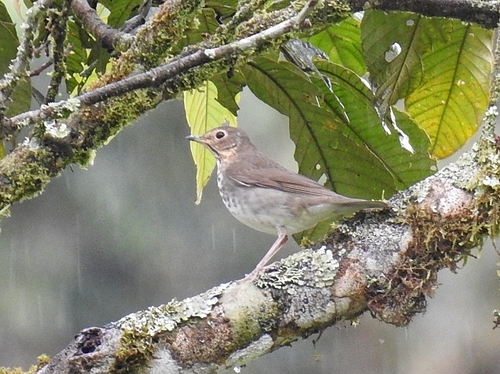 Tordo di Swainson
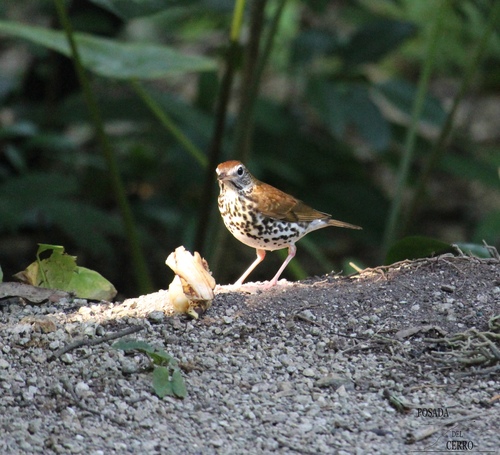 Wood Thrush
In breve
Il segno di campo più affidabile per separare il Tordo di Swainson dal Wood Thrush è il motivo e l'audacia delle macchie sul petto: il Tordo di Swainson ha macchie più fini e diffuse, mentre il Wood Thrush mostra grandi macchie scure e audaci su un petto e fianchi bianchi. Il Wood Thrush è anche notevolmente più grande e robusto, con una corona e una nuca di un caldo colore cannella, rispetto alle parti superiori più uniformemente olivastre o rugginose del Tordo di Swainson. Entrambi hanno anelli oculari bianchi e zampe rosa, ma la dimensione complessiva e le pesanti macchie del Wood Thrush sono difficili da non notare. In volo, entrambi mostrano i tipici motivi delle ali inferiori dei tordi, ma le differenze di dimensione e struttura sono evidenti. I giovani Wood Thrush hanno macchie extra sulla schiena e sulle copritrici delle ali, che il Tordo di Swainson non mostra mai.
Consigli di identificazione
- Macchie sul petto: Il Wood Thrush mostra sempre grandi macchie scure e audaci su un petto, lati e fianchi bianchi. Il Tordo di Swainson ha macchie marroni molto più fini, sfocate e diffuse, per lo più sulla parte superiore del petto.
- Segni giovanili: I giovani Wood Thrush hanno macchie extra sulla schiena, sul collo e sulle copritrici delle ali, dando un aspetto squamoso o maculato sopra. I giovani del Tordo di Swainson non mostrano mai queste macchie dorsali.
- Colore della testa e delle parti superiori: Il Wood Thrush ha una corona e una nuca di un ricco colore marrone cannella, in contrasto con una schiena marrone più opaca. Il Tordo di Swainson ha un colore più uniforme sopra: marrone oliva a est, marrone rugginoso a ovest, senza un forte contrasto tra corona e schiena.
- Anello oculare: Entrambi hanno anelli oculari chiari, ma quello del Tordo di Swainson è più prominente e color crema, spesso descritto come 'con occhiali'. L'anello oculare del Wood Thrush è meno contrastante rispetto al caldo colore della testa cannella.
- Dimensione e struttura: Il Wood Thrush è notevolmente più grande, più massiccio e più robusto, con un becco più pesante e un collo più spesso. Il Tordo di Swainson è più snello e delicato, con un becco più fine.
- Colore delle zampe: Entrambi hanno zampe rosa, quindi questo non è un separatore utile.
- Motivo delle ali inferiori: Entrambi mostrano il tipico motivo delle ali inferiori del Catharus (bianco-scuro-bianco), quindi questo non è diagnostico tra i due.
- Forma della coda e delle ali: Il Wood Thrush ha un cordone alare leggermente più lungo e una coda più robusta, ma questi sono sottili sul campo.
- Habitat: Durante la stagione di nidificazione, il Wood Thrush si trova di solito in foreste decidue mature e umide con un sottobosco denso. Il Tordo di Swainson preferisce foreste conifere o miste con una fitta vegetazione, specialmente a nord e a ovest. Durante la migrazione, il Tordo di Swainson può essere trovato in una gamma più ampia di habitat cespugliosi o di margine.
- Comportamento: Entrambi si nutrono a terra, ma il Wood Thrush è più propenso a essere solitario e territoriale, mentre il Tordo di Swainson può essere visto in cespugli più densi o muoversi tra i cespugli.
- Canto: Il canto del Tordo di Swainson è una serie di note a spirale e ascendenti simili a un flauto. Il canto del Wood Thrush è più ricco, con frasi chiare, simili a campane e che echeggiano. Se senti un canto veramente inquietante e che echeggia, è probabile che sia il Wood Thrush.
- Aspetto in volo: In volo, il Wood Thrush appare più massiccio e potente; il Tordo di Swainson è più leggero e agile.
- Stagione: Entrambe le specie sono migratorie, ma il Wood Thrush è più probabile a est e in foreste mature, mentre il Tordo di Swainson è più diffuso durante la migrazione e nidifica più a nord e a ovest.
- Trappole: I giovani Wood Thrush possono apparire particolarmente macchiati sopra, cosa che il Tordo di Swainson non fa mai. Il Tordo di Swainson può apparire più caldo o più opaco a seconda della sottospecie, quindi non fare affidamento solo sul colore delle parti superiori.
- Sovrapposizione: Dove entrambi si trovano, controlla sempre prima la dimensione e l'audacia delle macchie sul petto, poi il colore della testa e la struttura complessiva.
Taglia
Il Wood Thrush è nettamente più grande e pesante del Tordo di Swainson. Il Wood Thrush misura 18–21,5 cm di lunghezza, con un'apertura alare di 30–40 cm e una massa corporea di 48–72 g. Al contrario, il Tordo di Swainson è lungo 16–20 cm, con un'apertura alare di circa 30 cm e una massa corporea di 23–45 g. Il Wood Thrush è più massiccio, con un cordone alare più lungo e un becco e un tarso leggermente più lunghi. Sul campo, il Wood Thrush appare più robusto e massiccio, mentre il Tordo di Swainson appare più snello e delicato.
Piumaggio
- Uccelli giovani/immaturi: I giovani Wood Thrush hanno macchie aggiuntive sulla schiena, sul collo e sulle copritrici delle ali, facendoli apparire ancora più audacemente marcati rispetto agli adulti. I giovani del Tordo di Swainson mancano di queste macchie dorsali extra e hanno una schiena più uniforme.
- Adulti: Il Tordo di Swainson è marrone sopra (marrone oliva a est, marrone rugginoso a ovest) con un anello oculare chiaro e color crema e macchie marroni fini e sfocate su un petto chiaro. Il Wood Thrush ha una corona e una nuca di un ricco colore marrone cannella, con la schiena, le ali e la coda di un marrone più opaco. Le sue parti inferiori sono bianche con grandi macchie scure ben definite sul petto, sui lati e sui fianchi. Entrambe le specie hanno anelli oculari bianchi e zampe rosa, ma l'anello oculare del Wood Thrush è meno contrastante a causa del caldo colore della testa. In volo, entrambi mostrano il tipico motivo delle ali inferiori del Catharus (bianco-scuro-bianco), ma la maggiore dimensione e la costruzione più pesante del Wood Thrush sono evidenti.
Comportamento
Entrambe le specie si nutrono a terra o vicino al suolo, girando le foglie per trovare insetti. Il Wood Thrush è principalmente solitario e spesso si vede saltellare nel fogliame sotto una densa chioma forestale, a volte unendosi a stormi misti in inverno. Il Tordo di Swainson si nutre anche in basso, ma potrebbe essere più probabile vederlo in cespugli più densi e cespugliosi, specialmente durante la migrazione. I Wood Thrush difendono i territori di nidificazione e a volte di alimentazione in inverno, mostrando comportamenti territoriali come colpi di ala e coda, e possono essere aggressivi se provocati.
Habitat
Il Wood Thrush preferisce foreste decidue mature e umide o foreste miste con un sottobosco denso, spesso negli Stati Uniti orientali e nel sud del Canada. Il Tordo di Swainson è più flessibile, nidificando in foreste conifere o miste, spesso con una fitta vegetazione, ed è più probabile incontrarlo in margini cespugliosi, cespugli ripariali o durante la migrazione in una gamma più ampia di habitat boschivi. Anche se entrambi possono sovrapporsi durante la migrazione, il Wood Thrush è più legato agli interni delle foreste mature, mentre il Tordo di Swainson è comune in boschi più giovani, più densi o più settentrionali.
Voce
Entrambe le specie sono rinomate per i loro bellissimi canti, ma differiscono per qualità. Il Tordo di Swainson canta una serie di note a spirale e ascendenti simili a un flauto, spesso descritte come eteree e a spirale verso l'alto. Il canto del Wood Thrush è più ricco e complesso, con frasi chiare, simili a campane e una qualità inquietante e che echeggia, spesso considerato il più bello degli uccelli nordamericani. Entrambi cantano all'alba e al tramonto, ma la struttura e il tono del canto sono abbastanza distintivi se ascoltati bene.