

Tordo di Swainson vs Tordo di Pallas
Catharus ustulatus contro Catharus guttatus
Fai un quiz con Tordo di Swainson e Tordo di Pallas
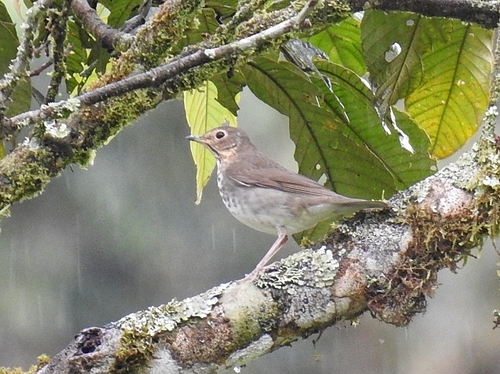 Tordo di Swainson
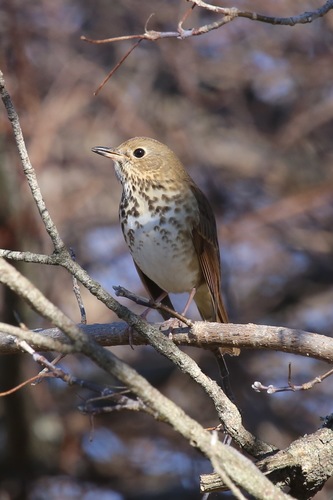 Tordo di Pallas
In breve
Il segno distintivo più affidabile tra il Tordo di Swainson e il Tordo di Pallas è il colore della coda: il Tordo di Pallas mostra una coda distintamente rossastra che contrasta con il suo dorso più marrone o grigio, mentre il Tordo di Swainson ha una coda che si abbina al colore delle sue parti superiori. Entrambe le specie condividono il modello di sottocoda bianco-nero-bianco del Catharus, quindi questo non è utile per la separazione. Il Tordo di Swainson è generalmente un po' più grande e con ali più lunghe, ma la sovrapposizione delle dimensioni è considerevole. Differenze sottili nel cerchio oculare, nel colore dei fianchi e nella postura generale possono aiutare, ma il colore della coda è il segno migliore nella maggior parte delle situazioni sul campo. La struttura del canto è molto diversa se ascoltata.
Consigli di identificazione
- Il colore della coda è il miglior segno sul campo: Il Tordo di Pallas mostra sempre una coda rossastra o rufosa che contrasta con il suo dorso più marrone o grigio, anche in volo o quando sbatte la coda. Il Tordo di Swainson ha una coda che si abbina al colore del dorso (marrone-oliva o marrone-russet), quindi non c'è un forte contrasto. Questo funziona per tutte le età e stagioni.
- Cerchio oculare: Il Tordo di Swainson ha un cerchio oculare più prominente, color crema o marrone chiaro, che conferisce un aspetto 'occhialuto'. Il cerchio oculare del Tordo di Pallas è bianco e può apparire più sottile o meno contrastante, ma questo è sottile e variabile.
- Colore dei fianchi: Il Tordo di Swainson mostra spesso più marrone sui fianchi, mentre i fianchi del Tordo di Pallas sono grigi o marroni. Questo è un segno sottile e non sempre affidabile.
- Macchie sul petto: Entrambe le specie hanno macchie scure sul petto, ma le macchie del Tordo di Pallas sono tipicamente più scure e distinte, mentre quelle del Tordo di Swainson sono marroni più chiare e possono apparire più diffuse. Usare con cautela.
- Struttura e postura: Il Tordo di Pallas è più compatto e robusto, spesso stando più eretto e sbattendo la coda. Il Tordo di Swainson è leggermente più lungo nel corpo e può apparire più allungato quando è posato.
- Colore delle gambe: Entrambi hanno gambe rosa; non utile per la separazione.
- Modello di sottocoda: Entrambi mostrano il modello di sottocoda bianco-nero-bianco del Catharus; non diagnostico tra questi due.
- Canto: Se ascoltato, il Tordo di Swainson emette una serie affrettata, a spirale e ascendente di note simili a flauto. Il Tordo di Pallas canta una melodia lenta ed eterea con una chiara nota introduttiva e frasi discendenti, spesso ripetute a diverse altezze. Il canto è diagnostico.
- Habitat e stagione: In inverno nel sud degli Stati Uniti, un tordo del genere Catharus è quasi sempre il Tordo di Pallas, poiché il Tordo di Swainson è un migratore o un riproduttore estivo. Durante la migrazione o la riproduzione, entrambi possono sovrapporsi in boschi densi, quindi l'habitat è meno affidabile in quel momento.
- Variazione geografica: Il Tordo di Swainson a ovest (con dorso russet) può apparire più rossastro sopra, ma la coda non contrasta con il dorso. Il Tordo di Pallas a ovest è più grigio-marrone sopra, ma la coda rossastra si distingue ancora.
- Comportamento: Il Tordo di Pallas spesso sbatte la coda, attirando l'attenzione sul contrasto della coda. Il Tordo di Swainson non mostra questo comportamento così frequentemente.
- Dimensione: Il Tordo di Swainson è leggermente più grande e con ali più lunghe, ma la sovrapposizione è considerevole e non affidabile sul campo.
- Becco e tarso: Esistono differenze minori nelle misurazioni, ma non sono utili sul campo.
- Piumaggio giovanile/immaturo: Non ci sono segni distintivi specifici per età sulle parti superiori che separano queste specie; usare invece il colore della coda e la struttura.
- Trappole comuni: Non fare affidamento sul modello di sottocoda, sul colore delle gambe o sull'aspetto generale marrone delle parti superiori, poiché questi sono simili. Concentrati sul contrasto della coda e sul canto per un'identificazione sicura.
Taglia
Il Tordo di Swainson è leggermente più grande (16–20 cm di lunghezza, 30 cm di apertura alare, 23–45 g di massa) rispetto al Tordo di Pallas (15–18 cm di lunghezza, 25–30 cm di apertura alare, 18–37 g di massa), ma c'è una significativa sovrapposizione e entrambi sono tordi di dimensioni medie. Il Tordo di Pallas è descritto come più compatto e robusto, con ali relativamente più lunghe per la sua dimensione, mentre il Tordo di Swainson è un po' più lungo nel corpo. In pratica, la dimensione da sola non è affidabile per la separazione a meno che gli uccelli non siano affiancati.
Piumaggio
- Modello di ali giovanili/immaturi: Entrambe le specie condividono il modello di sottocoda bianco-nero-bianco del Catharus; non sono notati segni distintivi specifici per età sulle parti superiori per nessuna delle due specie, quindi questo non è diagnostico a nessuna età.
- Colore della coda: Il Tordo di Pallas di tutte le età mostra una coda rossastra o rufosa che contrasta con il dorso marrone o grigio-marrone, particolarmente evidente quando è posato o in volo. Il Tordo di Swainson ha una coda che si abbina al colore del dorso (marrone-oliva negli uccelli orientali, marrone-russet in quelli occidentali), quindi non c'è un forte contrasto.
- Parti superiori: Il Tordo di Swainson è marrone sopra, con gli uccelli orientali più marrone-oliva e quelli occidentali più marrone-rossastro. Il Tordo di Pallas è marrone sopra, ma gli uccelli occidentali sono più grigio-marroni, e quelli orientali più marrone-oliva. Il colore del dorso è simile, ma il contrasto della coda è fondamentale.
- Parti inferiori: Entrambi hanno parti inferiori bianche con fianchi marroni o grigi e macchie scure sul petto. Il Tordo di Swainson ha macchie marroni più chiare, il Tordo di Pallas ha macchie più scure. Il colore dei fianchi può essere un indizio sottile: il Tordo di Swainson tende ad avere più marrone sui fianchi, il Tordo di Pallas più grigio o marrone.
- Cerchio oculare: Il Tordo di Swainson ha un cerchio oculare più prominente, color crema o marrone chiaro; il cerchio oculare del Tordo di Pallas è bianco e può apparire più sottile o meno contrastante, ma questo è sottile e variabile.
- Gambe: Entrambi hanno gambe rosa.
Comportamento
Il Tordo di Pallas è spesso descritto come più compatto e robusto, e può apparire più eretto quando è posato. Spesso sbatte la sua coda rossastra, il che può attirare l'attenzione sul contrasto della coda. Il Tordo di Swainson tende a muoversi in modo più fluido e può apparire più lungo nel corpo. Entrambe le specie cercano cibo a terra o in vegetazione bassa, e entrambe possono essere timide e ritirarsi in copertura quando disturbate.
Habitat
Entrambe le specie sovrappongono il loro habitat, specialmente durante la migrazione, ma il Tordo di Pallas è più probabile che venga trovato nel denso sottobosco di foreste conifere o miste, specialmente in inverno (quando il Tordo di Swainson è assente dalla maggior parte del Nord America). Il Tordo di Swainson preferisce boschi e cespugli umidi e densi, spesso vicino all'acqua, specialmente durante la stagione di riproduzione. Il Tordo di Pallas è più probabile che venga incontrato in inverno nel sud degli Stati Uniti, mentre il Tordo di Swainson è un migratore o un riproduttore estivo.
Voce
Entrambe le specie hanno bellissimi canti simili a flauto, ma la struttura è diversa e diagnostica se ascoltata. Il canto del Tordo di Swainson è una serie affrettata, a spirale di note simili a flauto ascendenti. Il canto del Tordo di Pallas è etereo, con una chiara nota introduttiva seguita da diverse frasi musicali discendenti in una tonalità minore, spesso ripetute a diverse altezze. Le chiamate sono meno distintive sul campo, ma la struttura del canto è un forte separatore.
Tordo di Swainson · Tordo di Pallas · I miei uccelli difficili