

Sooty Grouse vs Sharp-tailed Grouse
Dendragapus fuliginosus contro Tympanuchus phasianellus
Fai un quiz con Sooty Grouse e Sharp-tailed Grouse
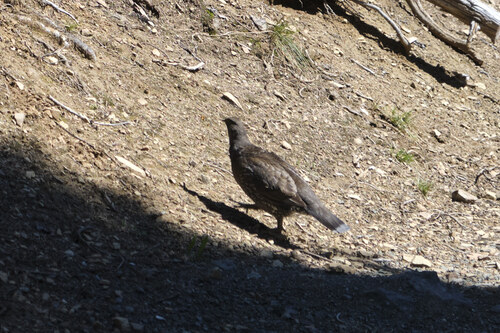 Sooty Grouse
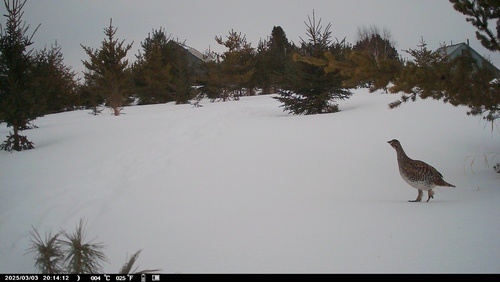 Sharp-tailed Grouse
In breve
Il segno di campo più affidabile tra Sooty Grouse e Sharp-tailed Grouse è la coda: Sooty Grouse mostra una coda lunga e quadrata con una banda terminale grigia chiara, mentre Sharp-tailed Grouse ha una coda molto più corta con piume centrali appuntite. In volo o quando è posato, Sooty Grouse appare più massiccio e scuro nel complesso, specialmente il maschio, mentre Sharp-tailed Grouse è più chiaro, più patternato e snello. L'habitat è anche un forte indizio: Sooty Grouse è un uccello forestale delle Catene Costiere del Pacifico, mentre Sharp-tailed Grouse è un uccello delle praterie aperte e dei pascoli. Le femmine di entrambe le specie sono marroni macchiate, ma le femmine di Sooty Grouse sono più grandi e meno contrassegnate. Gli uccelli immaturi e femminili possono essere confusi, ma la forma della coda e l'aspetto generale rimangono i migliori indizi di campo.
Consigli di identificazione
- La forma della coda è fondamentale: Sooty Grouse ha una coda lunga e quadrata con una banda terminale grigia chiara; Sharp-tailed Grouse ha una coda più corta con piume centrali appuntite, dando un aspetto spinoso. Questo è visibile in volo e quando è posato, e funziona per tutte le età e sessi.
- Dimensioni e corporatura complessive: Sooty Grouse è più grande, più massiccio e più robusto, specialmente il maschio. Sharp-tailed Grouse è più snello e di dimensioni medie.
- Tono del piumaggio: Il maschio adulto di Sooty Grouse è molto scuro nel complesso, specialmente sul corpo, mentre Sharp-tailed Grouse è più chiaro e più patternato con barre e macchie.
- Confusione femminile/immatura: La femmina di Sooty Grouse è marrone macchiata ma più grande e meno patternata rispetto alla femmina di Sharp-tailed Grouse, che è più finemente barrata e macchiata.
- Caratteristiche di display: Il maschio di Sooty Grouse mostra un sacco aereo giallo nella gola e una caruncola gialla sopra l'occhio durante il display; i maschi di Sharp-tailed Grouse si esibiscono sollevando le loro code appuntite e battendo i piedi, senza sacco aereo colorato nella gola.
- Contesto dell'habitat: Sooty Grouse si trova nelle foreste, specialmente in boschi di conifere o misti; Sharp-tailed Grouse si trova in praterie aperte, pascoli o arbusteti. L'habitat è spesso l'indizio più rapido.
- Dimensione del gruppo e comportamento: Sooty Grouse è solitamente solitario o in piccoli gruppi; Sharp-tailed Grouse forma spesso gruppi più grandi, specialmente nei lek.
- Profilo di volo: In volo, Sooty Grouse appare più pesante e più lento, con una coda larga e quadrata; Sharp-tailed Grouse è più veloce, con un profilo di coda snello e appuntito.
- Pattern delle parti inferiori: Le femmine di Sooty Grouse hanno parti inferiori meno contrastanti, mentre le femmine di Sharp-tailed Grouse mostrano più barre e macchie sotto.
- Becco e testa: Sooty Grouse ha un becco più robusto e, nei maschi, una testa più robusta; Sharp-tailed Grouse ha un becco e una testa più snelli.
- Contesto stagionale: Entrambe le specie possono essere viste tutto l'anno nei loro rispettivi areali, ma i display (e quindi le caratteristiche di display) sono più evidenti in primavera.
- Comportamento di lekking: Solo Sharp-tailed Grouse forma grandi lek in aree aperte; i maschi di Sooty Grouse si esibiscono da soli o in gruppi sciolti nelle aperture forestali.
- Identità confusa: Gli immaturi e le femmine di Sooty Grouse possono essere confusi con altri galliformi forestali, ma la lunga coda quadrata rimane un forte indizio. La coda appuntita di Sharp-tailed Grouse è unica tra i galliformi nordamericani.
- Nessuna forte differenza vocale nelle fonti: Se senti suoni di display, l'habitat e la forma della coda rimangono più affidabili per la separazione.
- Quando hai dubbi: Concentrati sulla forma della coda, sull'habitat e sulle dimensioni/corporatura complessive come i tuoi migliori indizi di campo, specialmente per gli uccelli in volo o a distanza.
Taglia
Sooty Grouse è generalmente più grande e pesante di Sharp-tailed Grouse, con una lunghezza di 40–50 cm (16–20 in) e un intervallo di massa di 750–1.300 g (1.65–2.87 lb) [wikipedia], rispetto alla massa media adulta di Sharp-tailed Grouse di 885 g [wikidata]. Sooty Grouse è più massiccio e più robusto, specialmente nei maschi, mentre Sharp-tailed Grouse è più snello e di dimensioni medie per un galliforme.
Piumaggio
Le differenze specifiche per età nel pattern delle ali superiori o nel volo non sono dettagliate nelle fonti, quindi la forma della coda e la colorazione generale sono i principali indizi del piumaggio. Il maschio adulto di Sooty Grouse è per lo più scuro con un sacco aereo giallo nella gola (visibile durante il display) e una caruncola gialla sopra l'occhio; le femmine sono marroni macchiate con marrone scuro e bianco sulle parti inferiori. Il segno di campo chiave è la coda: Sooty Grouse ha una coda lunga e quadrata con una banda terminale grigia chiara, visibile in volo e quando è posato. Sharp-tailed Grouse di tutte le età e sessi ha una coda molto più corta con piume centrali appuntite, dando un aspetto spinoso, e il loro piumaggio è più chiaro e più patternato, con ampie barre e macchie. La femmina di Sooty Grouse è più grande, meno patternata e più scura sotto rispetto alla femmina di Sharp-tailed Grouse. In tutte le età, la coda di Sooty Grouse è diagnostica se vista bene.
Comportamento
Sooty Grouse si trova tipicamente da solo o in piccoli gruppi, spesso posato sugli alberi o a terra in aree boschive. I maschi si esibiscono gonfiando il loro sacco aereo giallo nella gola e aprendo le loro code. Sharp-tailed Grouse è più probabile che venga visto in pascoli aperti, spesso in gruppi più grandi, specialmente nei lek dove i maschi si radunano per esibirsi. I loro display coinvolgono il sollevamento delle loro code appuntite, il battito dei piedi e la mostra delle loro piume di coda pallide e spine. In volo, Sooty Grouse appare più pesante e più lento, mentre Sharp-tailed Grouse è più veloce e più agile, con un profilo di coda appuntito distintivo.
Habitat
L'habitat è un forte separatore: Sooty Grouse è strettamente una specie forestale, trovata nelle Catene Costiere del Pacifico del Nord America, spesso in foreste di conifere o miste [wikipedia]. Sharp-tailed Grouse è un uccello di paese aperto, trovato in praterie, pascoli e arbusteti in Alaska, Canada e parti degli Stati Uniti occidentali e centrali [wikipedia]. Se incontri un galliforme in una foresta densa, è quasi certamente Sooty Grouse; in prateria aperta o pascolo, Sharp-tailed Grouse è la specie attesa.
Sooty Grouse · Sharp-tailed Grouse · I miei uccelli difficili