

Snowy Egret vs Garzetta
Egretta thula contro Egretta garzetta
Fai un quiz con Snowy Egret e Garzetta
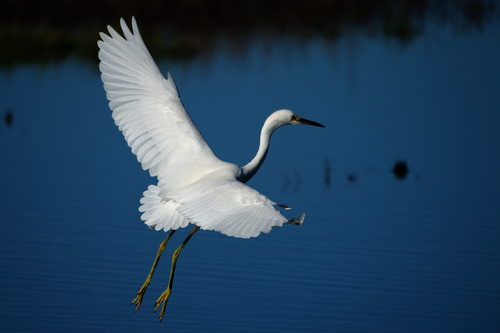 Snowy Egret
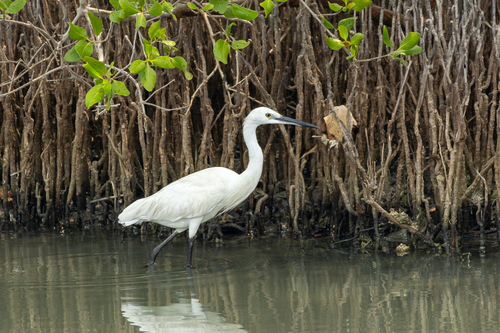 Garzetta
In breve
Il segno di campo più affidabile tra Snowy Egret e Garzetta è il colore delle lore (la pelle nuda tra il becco e l'occhio): Snowy Egret mostra lore gialle brillanti, mentre Garzetta ha lore più opache, di colore grigio-verde o nerastro, tranne durante il picco del corteggiamento, quando possono arrossire. Entrambe le specie sono aironi snelli, completamente bianchi, con gambe nere e piedi gialli (nella maggior parte delle popolazioni), ma differenze sottili nel colore delle gambe e dei piedi, così come nelle dimensioni e nella struttura, aiutano a separarli. I giovani di entrambe possono essere confusi, ma il colore delle gambe e delle lore rimane fondamentale. In Nord America, Snowy Egret è di gran lunga più probabile, ma Garzetta sta aumentando come un raro vagabondo e può verificarsi insieme a Snowy Egret nei Caraibi e in alcune parti della costa orientale. Un'attenta attenzione ai colori delle parti molli e alla struttura è essenziale per un'identificazione sicura.
Consigli di identificazione
- Colore delle lore (il più affidabile): Snowy Egret mostra lore gialle brillanti (pelle tra becco e occhio) in tutte le stagioni tranne durante brevi arrossimenti di corteggiamento. Garzetta di solito ha lore grigio-verdi o nerastre più opache, ma queste possono arrossire al picco del corteggiamento. Questo è il segno di campo migliore a distanza ravvicinata.
- Colore delle gambe e dei piedi: Entrambe le specie hanno gambe nere e piedi gialli nelle loro forme tipiche, ma i piedi di Snowy Egret sono di un giallo più brillante e vivido, specialmente negli adulti. I giovani Snowy Egrets hanno gambe verdastre e piedi gialli più opachi. I giovani Garzetta hanno gambe nero-verdi e piedi gialli più opachi. Alcune sottospecie di Garzetta (nigripes) hanno piedi nerastri, ma questi non sono presenti nelle Americhe.
- Colore del becco: Entrambi hanno becchi lunghi, snelli e completamente neri. Il colore del becco non è un separatore utile.
- Dettagli delle piume (adulti in riproduzione): Snowy Egret sviluppa lunghe piume di aigrette arruffate sulla nuca e sul collo. Garzetta ha due lunghe piume strette sulla nuca e scapolari allungati con barbigli sciolti. Queste differenze sono sottili e richiedono buone visuali.
- Piumaggio giovanile/immaturo: Nessun modello distintivo di ala superiore o di volo separa i due. Il giovane Garzetta può mostrare alcune piume grigio o marrone, mentre i giovani Snowy Egret sono completamente bianchi ma con gambe e piedi più opachi.
- Dimensioni e struttura: Garzetta è leggermente più pesante e può apparire marginalmente più robusta o con un collo più lungo, ma questo è raramente ovvio a meno che gli uccelli non siano affiancati. Entrambi sono piccoli aironi snelli.
- Comportamento: Entrambe le specie utilizzano tecniche di caccia attiva e stazionaria. Garzetta può essere più dominante nei siti di alimentazione se entrambe sono presenti.
- Distribuzione e probabilità: In Nord America, Snowy Egret è di gran lunga più comune. Garzetta è un raro vagabondo o un recente colonizzatore, quindi considera sempre l'abbondanza locale.
- Colore dei piedi in volo: I piedi gialli brillanti di Snowy Egret possono essere evidenti in volo, ma Garzetta (nella razza occidentale) mostra anche piedi gialli, quindi questo non è un segno definitivo.
- Arrossimento di corteggiamento: Durante il picco del corteggiamento, le lore e i piedi di Garzetta possono arrossire, il che può confondere brevemente l'identificazione. In altri momenti, fare riferimento al colore abituale delle lore.
- Morfologia scura: Solo Garzetta ha una rara morfologia blu-grigia, che non è un rischio di confusione con Snowy Egret.
- Habitat: Entrambi utilizzano habitat umidi simili. Se trovi un airone bianco nelle Americhe, specialmente nell'entroterra, è quasi certamente un Snowy Egret a meno che tu non abbia prove forti del contrario.
- Colonie miste: Dove si verificano entrambe le specie (ad es., Caraibi, Bahamas), possono nidificare o alimentarsi insieme. Usa i colori delle parti molli per la separazione.
- Voce: Non sono state notate differenze vocali diagnostiche nelle fonti.
- Insidie: Non fare affidamento solo su dimensioni, postura o comportamento generale. Controlla sempre attentamente il colore delle lore e dei piedi, idealmente in buona luce e con un confronto diretto se possibile.
Taglia
Garzetta è leggermente più pesante e può apparire marginalmente più grande nel complesso, con una massa adulta tipica di circa 532 g rispetto alla media di 370 g di Snowy Egret. Lunghezza e apertura alare si sovrappongono considerevolmente: entrambi misurano circa 55–66 cm di lunghezza con un'apertura alare di circa 100 cm, quindi la dimensione da sola è raramente diagnostica sul campo. In stormi misti, Garzetta può sembrare un po' più robusta e con un collo più lungo, ma questo è sottile e spesso mascherato dalla postura.
Piumaggio
Entrambe le specie sono completamente bianche in tutti i piumaggi, senza un modello specifico di ala superiore o segni di volo contrastanti per separarli in volo. I giovani di entrambe sono simili agli adulti non in riproduzione, ma i giovani Garzetta possono mostrare piedi gialli più opachi e un accenno di piumaggio grigio o marrone, mentre gli immaturi Snowy Egret hanno gambe verdastre e piedi gialli meno vividi. Durante la stagione di riproduzione, entrambi sviluppano piume ornamentali: Snowy Egret ha lunghe piume di aigrette arruffate sulla nuca e sul collo, mentre Garzetta presenta due lunghe piume strette sulla nuca e scapolari allungati con barbigli sciolti. Queste differenze sono sottili e meglio visibili a distanza ravvicinata. La morfologia scura di Garzetta (blu-grigia) è distintiva ma estremamente rara e non è un rischio di confusione con Snowy Egret.
Comportamento
Entrambe le specie si nutrono attivamente in acque poco profonde, spesso correndo, muovendo i piedi o sbattendo le ali per spaventare le prede. Possono anche rimanere immobili per tendere un agguato alle prede. Garzetta è descritta come avente una varietà più ampia di strategie di foraggiamento e può dominare i siti di alimentazione quando entrambe le specie sono presenti. Entrambi possono essere visti foraggiando in gruppi di specie miste e possono sfruttare le perturbazioni causate da altri animali o umani. In volo, entrambe mostrano profili simili a quelli degli aironi con colli ritratti.
Habitat
L'overlap degli habitat è esteso: entrambe le specie favoriscono zone umide poco profonde, paludi, estuari e talvolta campi aperti o i margini di laghi e fiumi. Nelle Americhe, Snowy Egret è la specie attesa, mentre Garzetta è un raro vagabondo o un recente colonizzatore, principalmente nei Caraibi e occasionalmente lungo la costa atlantica. Dove entrambe si verificano, possono nidificare o alimentarsi nelle stesse colonie e habitat.