

Snowy Albatross vs Antipodean Albatross
Diomedea exulans contro Diomedea antipodensis
Fai un quiz con Snowy Albatross e Antipodean Albatross
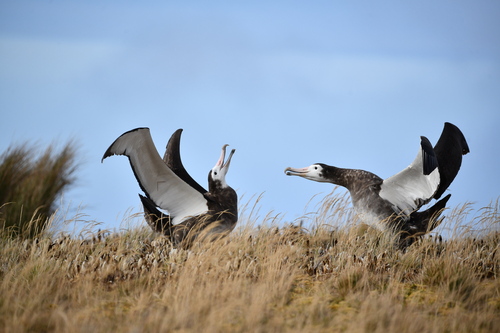 Snowy Albatross
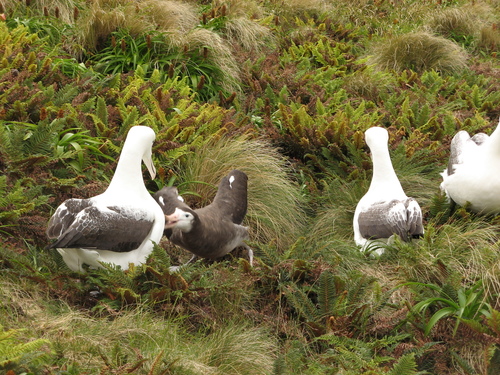 Antipodean Albatross
In breve
Il segno di campo più affidabile tra il Snowy Albatross e l'Antipodean Albatross è la quantità di bianco sulle ali e sul corpo negli adulti: gli adulti di Snowy Albatross sono molto più bianchi in generale, specialmente sulle ali superiori, mentre gli Antipodean Albatross mantengono più marrone, in particolare nelle femmine e nei giovani. I giovani e gli uccelli giovani di entrambe le specie possono essere molto simili, ma gli Antipodean Albatross rimangono più scuri per tutta la vita, mentre gli Snowy Albatross diventano progressivamente più bianchi con l'età. Anche le dimensioni sono un indizio, con lo Snowy Albatross che è il più grande albatros, ma questo è difficile da giudicare in mare. Il colore del becco è per lo più rosa in entrambi, ma l'Antipodean può mostrare una punta scura, specialmente nei giovani e nelle femmine.
Consigli di identificazione
- Overall whiteness (adults): Gli adulti di Snowy Albatross sono molto più bianchi sopra e sotto, specialmente i maschi, con solo nero sulle punte delle ali e sul bordo posteriore. Gli adulti di Antipodean, anche i maschi, mantengono più marrone sulle parti superiori e sulle ali.
- Brown upperparts (Antipodean): Le femmine e gli immaturi di Antipodean Albatross hanno un ampio marrone sulla schiena, sulle ali superiori e una fascia bruna sul petto (razza nominativa), mentre gli Snowy Albatross perdono la maggior parte del marrone con l'età.
- Underwing pattern: L'Antipodean Albatross ha un sottovolo bianco con una punta scura; gli adulti di Snowy Albatross hanno sottovoli bianchi più puliti, con il nero principalmente alle punte e sul bordo posteriore.
- Bill color: Entrambe le specie hanno becchi rosa, ma l'Antipodean (specialmente gli immaturi e le femmine) può mostrare una punta scura o un bordo di taglio scuro, che è raro nello Snowy Albatross.
- Juvenile confusion: I giovani Antipodean e Snowy Albatross sono molto simili, essendo entrambi per lo più marrone cioccolato sopra. La separazione a questa età è estremamente difficile e spesso non possibile sul campo.
- Progression with age: Gli Snowy Albatross diventano progressivamente più bianchi man mano che maturano, mentre gli Antipodean Albatross rimangono più scuri per tutta la vita. Se vedi un uccello molto bianco, specialmente con poco nero sull'ala superiore, è quasi certamente un Snowy Albatross maturo.
- Sex differences: In entrambe le specie, i maschi sono più bianchi delle femmine, ma il contrasto è più forte nello Snowy Albatross. Le femmine di Antipodean Albatross sono particolarmente più marroni sopra e sul petto.
- Size: Lo Snowy Albatross è più grande e ha ali più lunghe, ma questo è difficile da giudicare a meno che entrambi non siano visti insieme. Usa solo come prova di supporto.
- Face and throat: L'Antipodean Albatross ha un volto bianco, una gola, un petto inferiore e una pancia bianchi, ma anche lo Snowy Albatross; non è un forte separatore.
- Tail and cap: I maschi di Antipodean Albatross hanno una calotta e una coda più scure rispetto allo Snowy, ma questo è sottile e meglio utilizzato in combinazione con altri segni.
- Bill shape: Entrambi hanno forme di becco simili; la struttura non è un separatore affidabile.
- Context: Se visti in una colonia di nidificazione nota, controlla l'elenco delle specie locali, ma in mare, fai affidamento sul piumaggio e sulla struttura.
- Display behavior: Non utile per la separazione; entrambe le specie mostrano display di corteggiamento simili.
- Pitfalls: Fai attenzione agli Snowy Albatross immaturi, che possono sembrare molto simili agli adulti di Antipodean. Solo gli uccelli molto bianchi possono essere chiamati con certezza Snowy; gli uccelli più marroni possono essere entrambe le specie a meno che non siano visibili altri segni.
- Lighting: Le differenze di colore del becco (punta scura nell'Antipodean) sono più evidenti in buona luce o quando il becco è visto di profilo; la retroilluminazione può esagerare il bordo di taglio scuro.
Taglia
Lo Snowy Albatross è il più grande albatros, con una massa corporea media di 8190 g [wikidata] e un'apertura alare che può superare i 3 m. L'Antipodean Albatross è più piccolo in generale, con una lunghezza di circa 110 cm, ma non sono forniti dati precisi sulla massa. Sul campo, la differenza di dimensioni è sottile a meno che entrambi non siano visti insieme, ma lo Snowy Albatross appare spesso più massiccio e con ali più lunghe, specialmente nei maschi adulti. Le femmine di entrambe le specie sono più piccole dei maschi, ma la differenza è più pronunciata nello Snowy Albatross.
Piumaggio
- Juveniles/immatures: Entrambe le specie iniziano scure, specialmente sulle parti superiori e sulle ali. Gli Antipodean Albatross giovani sono molto simili agli Snowy Albatross giovani, rendendo difficile la separazione a questa età.
- Adults: Gli Snowy Albatross diventano molto più bianchi con l'età, specialmente i maschi, che mostrano principalmente ali superiori bianche con solo punte e bordi neri. Gli Antipodean Albatross adulti, anche i maschi, non raggiungono mai lo stesso grado di bianchezza; le femmine sono distintamente più marroni, con parti superiori marroni, copritail e una fascia bruna sul petto (nella razza nominativa).
- Underwing: Entrambi hanno sottovoli bianchi, ma l'Antipodean Albatross mostra una punta scura, mentre gli adulti di Snowy Albatross hanno sottovoli bianchi più puliti con il nero limitato alle punte e al bordo posteriore.
- Bill: Entrambi hanno un becco rosa, ma l'Antipodean (specialmente gli immaturi e le femmine) può mostrare una punta scura o anche un bordo di taglio scuro, che è raro nello Snowy Albatross.
Comportamento
Entrambe le specie sono classici vagabondi oceanici, planando per ore senza battere le ali grazie alle loro lunghe ali. Lo Snowy Albatross, con la sua apertura alare più grande, può apparire ancora più galleggiante e senza sforzo in volo. I comportamenti di corteggiamento sono simili, coinvolgendo l'apertura delle ali, il battito del becco e vocalizzazioni. Entrambi nidificano in colonie sparse su isole remote dell'Oceano Meridionale.
Habitat
Entrambe le specie abitano l'Oceano Meridionale e nidificano su gruppi di isole isolate. C'è una significativa sovrapposizione nell'areale, specialmente in mare, quindi l'habitat non è un segno di campo affidabile per la separazione. I siti di nidificazione differiscono per gruppo di isole, ma questo non è utile per l'identificazione sul campo a meno che l'osservatore non si trovi in una colonia nota.
Snowy Albatross · Antipodean Albatross · I miei uccelli difficili