
Short-tailed Hawk vs Ferruginous Hawk
Buteo brachyurus contro Buteo regalis
Fai un quiz con Short-tailed Hawk e Ferruginous Hawk
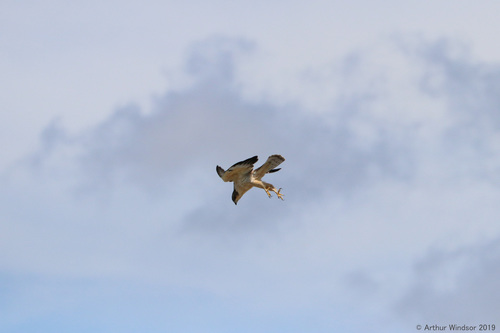 Short-tailed Hawk
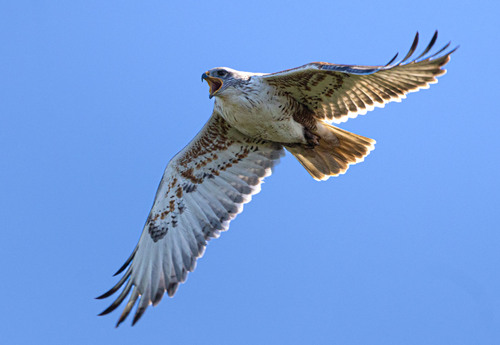 Ferruginous Hawk
In breve
Il modo più affidabile per separare il Short-tailed Hawk dal Ferruginous Hawk è attraverso la struttura generale e le proporzioni ali/coda in volo: il Ferruginous Hawk è molto più grande, con ali lunghe e larghe e una coda relativamente lunga, mentre il Short-tailed Hawk è compatto con ali più corte e arrotondate e una coda notevolmente corta. In volo, il Ferruginous Hawk mostra 'finestre' chiare prominenti nelle primarie, un ronzio ruggine e un sottocoda biancastro con marcature patagiali ruggine, mentre il Short-tailed Hawk manca di queste caratteristiche e appare più semplice sotto. In perching, il Ferruginous Hawk è massiccio e lungo di gambe con gambe piumate fino alle dita, mentre il Short-tailed Hawk è molto più piccolo e più facilmente nascosto. Queste differenze sono coerenti tra le età e le forme, anche se entrambe le specie hanno forme chiare e scure che possono causare confusione a distanza.
Consigli di identificazione
- Size and Structure: Il Ferruginous Hawk è molto più grande e massiccio, con ali lunghe e larghe e una coda lunga. Il Short-tailed Hawk è compatto, con ali più corte e arrotondate e una coda notevolmente corta. Usa questo come primo controllo, specialmente in volo.
- Leg Feathering: Il Ferruginous Hawk ha gambe piumate fino alle dita (come un'aquila reale), visibili quando è in perching o in buone viste di volo. Il Short-tailed Hawk ha gambe inferiori scoperte.
- Wing Pattern in Flight: Il Ferruginous Hawk mostra due 'finestre' chiare sulla parte superiore dell'ala (primarie interne) e un ronzio ruggine dall'alto. Queste sono assenti nel Short-tailed Hawk.
- Underwing Pattern: Il Ferruginous Hawk ha sottocoda biancastri con marcature patagiali ruggine e segni scuri a 'virgola' ai polsi. I sottocoda del Short-tailed Hawk sono più semplici, con meno contrasto e senza segni ruggine o a 'virgola'.
- Tail Length and Pattern: Il Ferruginous Hawk ha una coda lunga e larga, spesso con una base chiara e una leggera barratura. La coda del Short-tailed Hawk è corta e meno distintamente marcata.
- Perched Appearance: Il Ferruginous Hawk è massiccio, con una testa e un corpo bianchi, parti superiori ruggine e una striscia scura sugli occhi. Il Short-tailed Hawk è più piccolo, più compatto e spesso nascosto nel fogliame.
- Plumage Morphs: Entrambe le specie hanno forme chiare e scure, ma le forme scure del Ferruginous sono brune (non grigie come il rough-legged) e mostrano ancora le caratteristiche strutturali sopra. Le forme scure del Short-tailed Hawk sono uniformemente scure sopra e sotto, mancando di ruggine o finestre chiare.
- Habitat: Il Ferruginous Hawk si trova in praterie e praterie aperte, raramente vicino ai boschi. Il Short-tailed Hawk è associato a bordi forestali e boschi subtropicali/tropicali.
- Behavior: Il Ferruginous Hawk spesso si posa in aperto o a terra, vola con un dihedro e caccia mammiferi. Il Short-tailed Hawk vola in alto, fa acrobazie e caccia uccelli, raramente posandosi in aperto.
- Bill and Feet: Il Ferruginous Hawk ha un becco massiccio e i piedi più grandi di qualsiasi Buteo, visibili in close perched views. Il becco e i piedi del Short-tailed Hawk sono molto più piccoli e fini.
- Flight Jizz: Il Ferruginous Hawk è slow-flapping, potente e simile a un'aquila in volo. Il Short-tailed Hawk è più agile, con battiti d'ala più rapidi e un volo più alto e più leggero.
- Local Abundance: Negli Stati Uniti, il Ferruginous Hawk è diffuso a ovest; il Short-tailed Hawk è molto locale e raro, principalmente in Florida e in alcune parti del Sud-Ovest.
- Age Differences: Non ci sono prove che i giovani Short-tailed Hawks mostrino schemi di ali simili a quelli del Ferruginous. I giovani e gli adulti Ferruginous sono simili nei segni di volo.
- Pitfalls: Le forme scure di entrambe le specie possono essere confuse a distanza, ma controlla per dimensioni, struttura e la presenza/assenza di pannelli alari chiari e toni ruggine.
- Voice: Non diagnostico tra questi due; entrambi sono generalmente silenziosi e non separati dal richiamo sul campo.
Taglia
Il Ferruginous Hawk è drammaticamente più grande e massiccio del Short-tailed Hawk. Il Ferruginous ha un cordone alare di 415–477 mm e una coda di 224–252 mm, con piedi enormi e robusti e un grande becco. Il Short-tailed Hawk è molto più piccolo, con una coda più corta e una costruzione più compatta. Sul campo, il Ferruginous Hawk appare simile a un'aquila, mentre il Short-tailed Hawk è più vicino a un piccolo Buteo o persino a un grande Accipiter in dimensioni e forma. Questa differenza di dimensioni è ovvia quando visti insieme, ma può essere più difficile da giudicare a distanza o in scarsa luce.
Piumaggio
I giovani e gli adulti Ferruginous Hawks, indipendentemente dalla forma, mostrano una combinazione distintiva di sottocoda chiara con marcature patagiali ruggine, segni scuri a 'virgola' ai polsi e due 'finestre' chiare sulla parte superiore dell'ala (primarie interne) in volo. Il ronzio ruggine è anche una caratteristica chiave dall'alto. In perching, i Ferruginous Hawks hanno un petto e una pancia bianchi con parti superiori ruggine e una testa bianca con una striscia scura sugli occhi. Il Short-tailed Hawk, in entrambe le forme chiare e scure, manca dei toni ruggine e delle finestre chiare; le forme chiare sono per lo più bianche sotto con piume di volo scure, mentre le forme scure sono uniformemente scure. La coda del Short-tailed Hawk è più corta e meno distintamente marcata rispetto al Ferruginous. La piumatura delle gambe è un'altra differenza: le gambe del Ferruginous Hawk sono piumate fino alle dita, mentre quelle del Short-tailed Hawk non lo sono. Questi segni sono affidabili per tutte le età; non ci sono prove di schemi specifici per l'età nelle ali superiori del Short-tailed Hawk che potrebbero essere confusi con il Ferruginous.
Comportamento
Il Short-tailed Hawk è spesso visto volare in alto o 'kiting' con ali stazionarie, solitamente cacciando uccelli con attacchi a sorpresa dall'alto. È segreto quando è in perching, spesso nascosto in una densa chioma. Il Ferruginous Hawk, al contrario, vola con una postura alare a dihedro, si posa in aperto e ha molte più probabilità di essere visto su posatoi esposti o a terra. La sua caccia è focalizzata sui mammiferi, spesso da un posatoio o in volo basso. L'impressione generale (jizz) è quella di un rapace grande, potente e con un battito lento per il Ferruginous, rispetto a un uccello più piccolo, più agile e spesso che vola più in alto per il Short-tailed.
Habitat
Il Ferruginous Hawk è un uccello di paese aperto: praterie, praterie e deserti, dove caccia mammiferi di terra. Il Short-tailed Hawk preferisce bordi boschivi, confini forestali e habitat subtropicali/tropicali, specialmente vicino a aperture forestali. In Nord America, il Short-tailed è raro e locale (principalmente in Florida e Arizona), mentre il Ferruginous è diffuso nel ovest degli Stati Uniti e in Canada. Il contesto dell'habitat è un forte indizio: il Ferruginous non si trova quasi mai in boschi densi, mentre il Short-tailed evita le pianure aperte.
Short-tailed Hawk · Ferruginous Hawk · I miei uccelli difficili