
Sharp-tailed Sandpiper vs Stilt Sandpiper
Calidris acuminata contro Calidris himantopus
Fai un quiz con Sharp-tailed Sandpiper e Stilt Sandpiper
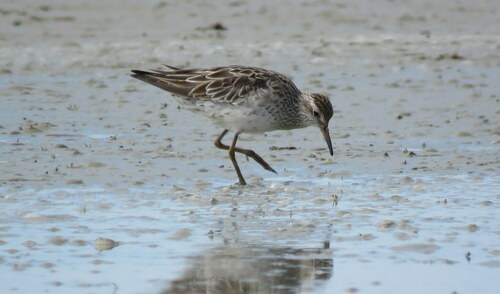 Sharp-tailed Sandpiper
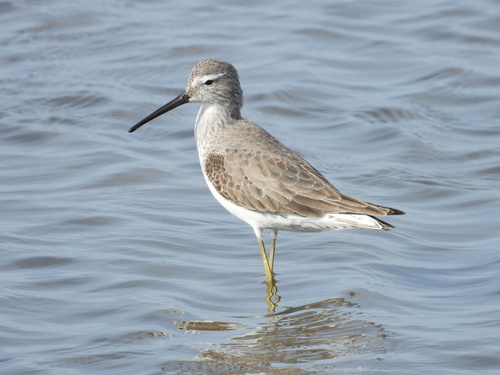 Stilt Sandpiper
In breve
Il giovane Sharp-tailed Sandpiper è più luminoso e più nettamente marcato rispetto al giovane Stilt Sandpiper, specialmente con una corona castagna affilata e un supercilium audace, mentre i giovani Stilt Sandpiper sono più opachi sotto e mancano delle forti tonalità castagne. In volo, entrambe le specie non presentano una barra alare evidente, ma lo Stilt Sandpiper mostra un sopracciglio bianco, a differenza dello Sharp-tailed. Strutturalmente, lo Stilt Sandpiper ha gambe più lunghe e un collo più lungo, con un becco leggermente ricurvo, mentre lo Sharp-tailed è più panciuto con un dorso piatto e un becco dritto e scuro. Gli adulti in riproduzione si distinguono meglio per il motivo delle parti inferiori: lo Stilt Sandpiper è fortemente barrato sotto, mentre lo Sharp-tailed mostra una maculatura più diffusa e segni a forma di '>'. Entrambe le specie possono apparire simili nel piumaggio non riproduttivo, quindi concentrati sulla struttura e sul motivo della testa per la separazione.
Consigli di identificazione
- Juvenile plumage: I giovani Sharp-tailed Sandpiper sono più luminosi, con una ricca corona castagna, un audace supercilium bianco e marcature castanee nitide. I giovani Stilt Sandpiper sono più opachi sotto, mancano della corona castagna e hanno un forte motivo della testa ma parti inferiori più semplici.
- Flight pattern: Entrambi mancano di una forte barra alare, ma lo Stilt Sandpiper mostra un sopracciglio bianco in volo, cosa che lo Sharp-tailed non ha. Usa questo quando gli uccelli si spaventano o volano via.
- Bill shape: Lo Stilt Sandpiper ha un becco leggermente ricurvo e di lunghezza media; il becco dello Sharp-tailed è dritto e scuro. Questo è sottile ma visibile a distanza ravvicinata.
- Leg color and length: Lo Stilt Sandpiper ha gambe più lunghe, di colore giallo-verde, che gli conferiscono un aspetto più alto e slanciato. Le gambe dello Sharp-tailed sono di colore oliva a giallo ma appaiono più corte e compatte.
- Body shape: Lo Sharp-tailed Sandpiper è panciuto con un dorso piatto e una parte posteriore allungata, spesso apparendo più compatto e orizzontale. Lo Stilt Sandpiper ha un collo più lungo e una postura più eretta.
- Head pattern: Lo Sharp-tailed mostra un supercilium forte e ampio e una corona castagna (specialmente nei giovani e negli adulti in riproduzione). Lo Stilt Sandpiper ha un supercilium pallido ma manca della ricca corona castagna.
- Breast and flank markings: Lo Stilt Sandpiper in riproduzione è fortemente barrato in bianco e nero sotto; lo Sharp-tailed è più maculato con segni a forma di '>' sui fianchi e manca di una banda del petto ben definita.
- Back pattern: Il giovane Sharp-tailed ha strisce bianche sul mantello; il giovane Stilt Sandpiper ha frange di piume bianche ma non le stesse strisce nitide.
- Feeding behavior: Lo Stilt Sandpiper spesso si nutre in acque più profonde con un movimento a macchina da cucire; lo Sharp-tailed preferisce acque più basse e si muove più costantemente.
- Posture: Lo Stilt Sandpiper sta in piedi più alto e più eretto; lo Sharp-tailed appare più vicino al suolo e più orizzontale.
- Non-breeding adults: Entrambi diventano più grigi sopra e bianchi sotto, ma lo Sharp-tailed mantiene un supercilium più forte e una corona castagna, mentre lo Stilt Sandpiper ha una testa più semplice.
- Habitat: Se visti in zone umide erbose o palustri, specialmente in Australasia, favorire lo Sharp-tailed; in campi aperti e poco allagati nelle Americhe, è più probabile trovare lo Stilt Sandpiper.
- Geographic context: Lo Sharp-tailed è raro in Nord America e regolare in Australasia; lo Stilt Sandpiper è comune nelle Americhe, raro altrove.
- Association with other species: Lo Stilt Sandpiper spesso si nutre con i yellowlegs; lo Sharp-tailed è più probabile che si trovi con altri Calidris.
- Voice: Non è diagnostico con le note attuali; fare affidamento sui segni visivi.
Taglia
Entrambe le specie sono simili in dimensioni complessive, ma lo Sharp-tailed Sandpiper è tipicamente un po' più pesante (massa corporea circa 66.9g [wikidata]). Lo Stilt Sandpiper è leggermente più piccolo in massa (50–70g) ma ha gambe più lunghe, il che può farlo apparire più alto e più allungato, specialmente quando si guada. La lunghezza e l'apertura alare si sovrappongono, ma le gambe e il collo più lunghi dello Stilt Sandpiper sono più evidenti sul campo.
Piumaggio
I giovani Sharp-tailed Sandpipers sono notevolmente più luminosi dei giovani Stilt Sandpipers, con una ricca corona castagna, un audace supercilium bianco e un petto buffo luminoso con marcature nitide; il dorso mostra strisce bianche sul mantello e l'effetto complessivo è nitidamente patternato. I giovani Stilt Sandpipers hanno un forte motivo della testa e un dorso marrone con frange di piume bianche, ma mancano della corona castagna e non sono barrati sotto—le parti inferiori sono più semplici. In volo, entrambe le specie mancano di una forte barra alare, ma lo Stilt Sandpiper mostra un sopracciglio bianco, mentre lo Sharp-tailed non lo fa. Gli adulti in riproduzione dello Stilt Sandpiper sono fortemente barrati in bianco e nero sotto con rosso-arancio sopra e sotto il supercilium, mentre gli adulti Sharp-tailed hanno un petto e fianchi più maculati con segni distintivi a forma di '>' e una calotta castagna. Gli adulti non in riproduzione (inverno) di entrambe le specie diventano più grigi sopra e bianchi sotto, ma lo Sharp-tailed mantiene un supercilium più forte e una corona castagna, mentre lo Stilt Sandpiper mantiene un supercilium pallido e parti superiori grigie. Il colore del becco è scuro in entrambi, ma quello dello Stilt Sandpiper è leggermente ricurvo, mentre quello dello Sharp-tailed è dritto.
Comportamento
Lo Stilt Sandpiper spesso si nutre in acque più profonde, usando le sue gambe più lunghe per guadare e sondare con un movimento a macchina da cucire, a volte insieme ai yellowlegs. Lo Sharp-tailed Sandpiper è più probabile che si nutra su fanghi o acque poco profonde, muovendosi costantemente con una postura più orizzontale. In stormi misti, lo Stilt Sandpiper si distingue per la sua postura più alta e più eretta e le gambe più lunghe, mentre lo Sharp-tailed appare più compatto e panciuto.
Habitat
Lo Sharp-tailed Sandpiper si trova più spesso in zone umide erbose o palustri, prati allagati e paludi d'acqua dolce o salmastra poco profonde, specialmente durante la migrazione e l'inverno in Australasia. Lo Stilt Sandpiper preferisce pozze d'acqua dolce poco profonde, paludi e campi allagati, spesso nutrendosi in acque più profonde rispetto alla maggior parte dei Calidris. Entrambi possono verificarsi insieme durante la migrazione in Nord America, ma lo Sharp-tailed è raro lì e più probabile trovarlo in bordi erbosi o vegetati, mentre lo Stilt Sandpiper è regolare in habitat aperti fangosi o poco allagati.
Sharp-tailed Sandpiper · Stilt Sandpiper · I miei uccelli difficili