
Piovanello tridattilo vs Piovanello pancianera
Calidris alba contro Calidris alpina
Fai un quiz con Piovanello tridattilo e Piovanello pancianera
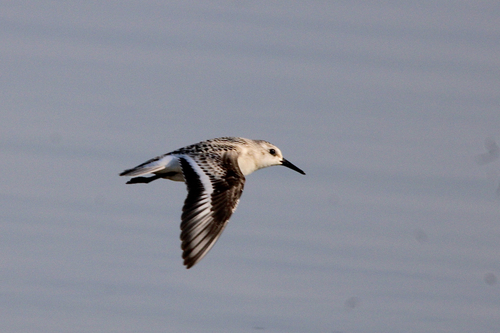 Piovanello tridattilo
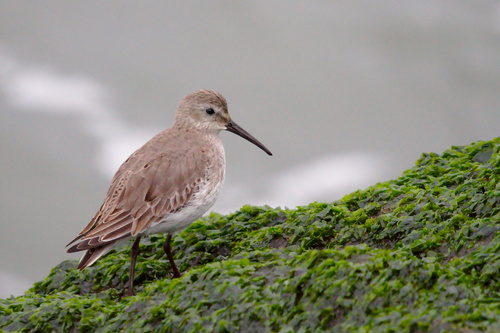 Piovanello pancianera
In breve
Il segno distintivo più affidabile tra il Piovanello tridattilo e il Piovanello pancianera è la presenza di una forte banda alare bianca in volo sul Piovanello tridattilo di tutte le età, rispetto alla banda alare più stretta del Piovanello pancianera. Il Piovanello tridattilo manca anche di un dito posteriore, ha un becco nero dritto e più corto, e gambe nere, mentre il Piovanello pancianera mostra un becco nero leggermente ricurvo e gambe nere. In abito nuziale, il Piovanello pancianera è unico tra i piccoli trampolieri per la sua audace macchia nera sul ventre, che il Piovanello tridattilo non mostra mai. In abiti non nuziali e giovanili, il Piovanello tridattilo è più chiaro e pulito sotto, mentre il Piovanello pancianera tende a mostrare più striature o macchie sui fianchi o sul ventre. Entrambe le specie sono gregarie in inverno, ma il Piovanello tridattilo preferisce le spiagge sabbiose, mentre il Piovanello pancianera è più tipico delle zone umide.
Consigli di identificazione
- Banda alare bianca in volo: Il Piovanello tridattilo di tutte le età mostra una forte, ampia banda alare bianca, molto più prominente rispetto alla banda alare stretta del Piovanello pancianera. Questo è meglio visto quando gli uccelli si spaventano o volano via.
- Forma e lunghezza del becco: Il Piovanello tridattilo ha un becco nero dritto e corto; il becco del Piovanello pancianera è più lungo e visibilmente ricurvo, specialmente nelle femmine. Questo è affidabile a distanza ravvicinata ma può essere sottile a distanza.
- Colore delle gambe: Entrambe le specie hanno gambe nere, quindi questo non è utile per la separazione.
- Dito posteriore: Il Piovanello tridattilo manca di un dito posteriore, mentre il Piovanello pancianera ne ha uno. Questo è raramente visibile tranne che in foto o in viste molto ravvicinate, ma può essere diagnostico.
- Abito nuziale: Solo il Piovanello pancianera mostra una audace macchia nera sul ventre in abito nuziale (primavera/estate). Il Piovanello tridattilo non mostra mai un ventre nero.
- Abito non nuziale (inverno): Il Piovanello tridattilo è grigio pallido sopra e bianco pulito sotto, con poche o nessuna striatura. Il Piovanello pancianera è più grigio sopra e di solito mostra alcune macchie scure o sbavature sui fianchi o sul ventre.
- Abito giovanile: I giovani Piovanello pancianera hanno parti superiori marroni con due deboli 'V' bianchi sulla schiena e spesso alcune macchie nerastre sul ventre. I giovani Piovanello tridattilo sono più chiari e mancano di queste macchie.
- Comportamento alimentare: Il Piovanello tridattilo corre rapidamente lungo la spiaggia, spesso seguendo le onde; il Piovanello pancianera si nutre con un'azione di sondaggio più costante, più spesso sulle zone umide.
- Habitat: Il Piovanello tridattilo è fortemente associato a spiagge sabbiose; il Piovanello pancianera è più tipico delle zone umide e degli estuari ma può trovarsi anche sulla sabbia.
- Struttura: Il Piovanello tridattilo appare più robusto e tozzo, con un collo e un corpo più spessi; il Piovanello pancianera è più lungo e snello, con un becco più lungo.
- Composizione del gruppo: Grandi e fitte greggi su sabbia aperta sono più probabilmente Piovanello tridattilo; greggi miste su zone umide contengono spesso più Piovanello pancianera.
- Voce: Il richiamo 'chreep' del Piovanello pancianera è distintivo, ma la voce non è il miglior separatore nella maggior parte delle situazioni sul campo.
- Insidie: In scarsa illuminazione o a distanza, entrambi possono apparire simili in dimensioni e forma generale; concentrati sulla banda alare in volo e sulla forma del becco a riposo.
- Variazione di sesso e età: Le femmine di Piovanello pancianera hanno becchi più lunghi rispetto ai maschi, che possono sovrapporsi a quelli del Piovanello tridattilo, ma la forma ricurva rimane un buon indizio. Gli uccelli giovanili e invernali sono spesso confusi; usa la banda alare e le marcature delle parti inferiori per queste età.
- Quando hai dubbi: Se l'uccello si trova su una spiaggia sabbiosa, è molto pallido e mostra una forte banda alare bianca in volo, è quasi certamente un Piovanello tridattilo. Se ha una macchia nera sul ventre (in stagione di nidificazione) o si nutre con un'azione di sondaggio costante su una zona umida, è probabile che sia un Piovanello pancianera.
Taglia
Both species are similar in size, but Piovanello tridattilo is slightly smaller and stouter. Piovanello tridattilo is about the same size as a Piovanello pancianera, but appears chunkier with a thicker neck and body. Piovanello pancianera is a bit longer (16–20 cm length, 38–43 cm wingspan, 34–77 g weight) and has a slightly longer wingspan than Piovanello tridattilo, but the difference is subtle and not always reliable in the field. Structure and proportions are more useful than absolute size.
Piumaggio
- Juvenile and nonbreeding (winter) plumage: Piovanello tridattilo is very pale overall, with clean white underparts and pale grey upperparts, and shows a strong white wingbar in flight. Piovanello pancianera in winter is greyer above and white below, but usually shows some dark marks on the flanks or belly. Juvenile Piovanello pancianera have brown upperparts with two faint whitish 'V's on the back, and often some blackish marks on the belly; Piovanello tridattilo juveniles are much paler and lack these marks.
- Breeding plumage: Piovanello pancianera is unmistakable with a bold black belly patch and more rufous tones above; Piovanello tridattilo is more mottled and lacks any black belly.
- Flight: Piovanello tridattilo's white wingbar is broader and more striking than Piovanello pancianera's narrow wingbar. Both species show white in the wing, but Piovanello tridattilo's is more obvious. Piovanello tridattilo also lacks a hind toe, which can be seen in good photos or close views of the feet.
- Bill and legs: Piovanello tridattilo has a short, straight black bill and black legs; Piovanello pancianera's bill is longer, slightly decurved, and also black, with black legs.
Comportamento
Il Piovanello tridattilo è famoso per la sua azione di corsa 'in bicicletta' lungo le spiagge sabbiose, spesso inseguendo le onde avanti e indietro e fermandosi bruscamente per raccogliere cibo. Il Piovanello pancianera si nutre con un'azione più metodica da 'macchina da cucire', sondando costantemente nel fango o nella sabbia. Entrambi sono altamente gregari in inverno e possono formare grandi greggi, ma le greggi di Piovanello tridattilo sono più probabilmente viste su spiagge sabbiose aperte, mentre il Piovanello pancianera preferisce le zone umide e gli estuari.
Habitat
Il Piovanello tridattilo si trova più spesso su spiagge sabbiose, specialmente in inverno e durante la migrazione, ed è meno comune su zone umide o coste rocciose. Il Piovanello pancianera è più tipico delle zone umide costiere, degli estuari e a volte delle spiagge sabbiose, ma è meno strettamente legato alla sabbia rispetto al Piovanello tridattilo. Entrambe le specie possono sovrapporsi nell'habitat, ma il Piovanello tridattilo è raramente visto lontano dalla sabbia aperta, mentre il Piovanello pancianera è più flessibile.
Voce
Il Piovanello pancianera emette un richiamo tipico da trampoliere 'chreep' e un trillo aspro in display. I richiami del Piovanello tridattilo sono meno distintivi e non enfatizzati nelle fonti. La voce non è un segno distintivo primario per separare questi due nella maggior parte delle situazioni.
Piovanello tridattilo · Piovanello pancianera · I miei uccelli difficili