
Combattente vs Piovanello pancianera
Calidris pugnax contro Calidris alpina
Fai un quiz con Combattente e Piovanello pancianera
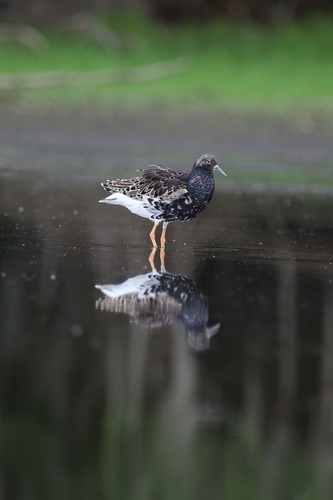 Combattente
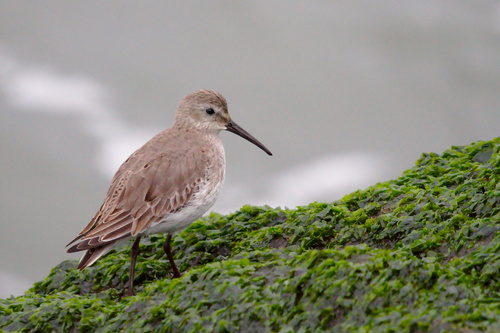 Piovanello pancianera
In breve
Il modo più affidabile per separare il Combattente dal Piovanello pancianera è attraverso la struttura generale e il comportamento: il Combattente è più robusto, con una pancia prominente, un collo più lungo, una testa piccola e zampe più lunghe, mentre il Piovanello pancianera è più compatto e con zampe corte. In volo, entrambi mostrano una striscia bianca sulle ali, ma quella del Combattente è sottile e indistinta, mentre quella del Piovanello pancianera è stretta ma più evidente. Le piume giovanili e non in riproduzione possono essere confuse, ma il giovane Combattente mostra un motivo squamoso sulla parte superiore e un forte lavaggio color crema sotto, mentre i giovani Piovanelli pancianera hanno due deboli 'V' bianche sulla schiena e possono mostrare macchie nere sul ventre o sui fianchi. La forma del becco è anche un indizio chiave: il becco del Combattente è di lunghezza media e dritto, mentre quello del Piovanello pancianera è visibilmente ricurvo e nero. Controlla sempre la distintiva macchia nera sul ventre del Piovanello pancianera in riproduzione, che il Combattente non mostra mai.
Consigli di identificazione
- Dimensione e robustezza: Il Combattente è molto più grande e pesante del Piovanello pancianera. Anche le femmine di Combattente sono più robuste, con zampe più lunghe e collo più lungo rispetto a qualsiasi Piovanello pancianera. Usa questo come primo controllo nei gruppi misti.
- Struttura: Il Combattente ha una testa piccola, un collo lungo, un corpo con pancia prominente e zampe lunghe. Il Piovanello pancianera è compatto, con collo corto e zampe corte. Questo è particolarmente evidente quando gli uccelli si nutrono o sono in piedi.
- Forma del becco: Il becco del Combattente è di lunghezza media e dritto, mentre quello del Piovanello pancianera è più corto, nero e visibilmente ricurvo (curvato verso il basso alla punta). Il colore del becco non è utile per il Combattente, ma la forma lo è.
- Colore delle zampe: Il colore delle zampe del Combattente varia: verde scuro nei giovanili, rosa-arancio negli adulti, con alcuni maschi che mostrano zampe rosso-arancioni durante la stagione di riproduzione. Le zampe del Piovanello pancianera sono sempre nere. Questo è un controllo utile a distanza ravvicinata, ma fai attenzione al fango.
- Schema di volo: Entrambi mostrano una striscia bianca sulle ali in volo, ma quella del Combattente è sottile e indistinta, mentre quella del Piovanello pancianera è stretta ma più evidente. Il Combattente mostra anche ovali bianchi sui lati della coda, che il Piovanello pancianera non ha.
- Battito d'ali: Il Combattente ha un battito d'ali più profondo e lento in volo, riflettendo la sua dimensione maggiore. Il volo del Piovanello pancianera è più veloce e agile.
- Piumaggio giovanile: Il giovane Combattente ha un motivo superiore ordinato e squamoso e forte lavaggio color crema sotto; i giovani Piovanelli pancianera hanno due deboli 'V' bianche sulla schiena e spesso macchie nere sul ventre/sui fianchi. Cerca il motivo squamoso e la dimensione complessiva per il Combattente.
- Piumaggio di riproduzione: Il maschio Combattente è inconfondibile con il suo collare ornamentale e ciuffi. La femmina di Combattente è ancora più grande e con pancia prominente. Il Piovanello pancianera in riproduzione è unico nel mostrare una macchia nera solida sul ventre, che il Combattente non mostra mai.
- Piumaggio non in riproduzione: Entrambi diventano più opachi, ma il Combattente rimane più robusto e con pancia prominente, con un collo e zampe più lunghi. Il Piovanello pancianera è più compatto e grigiastro sopra, bianco sotto.
- Comportamento alimentare: Il Combattente si nutre con una postura più eretta e movimenti più lenti; il Piovanello pancianera utilizza un'azione rapida 'da macchina da cucire'.
- Habitat: Il Combattente è più probabile trovarlo in paludi vegetate e prati umidi, specialmente durante la stagione di riproduzione; il Piovanello pancianera preferisce le zone umide aperte e le aree costiere, specialmente in inverno.
- Voce: Solo il richiamo del Piovanello pancianera ('chreep') è distintivo e può aiutare in volo o nei gruppi.
- Trappole: Piccole femmine di Combattente possono essere scambiate per grandi Piovanelli pancianera, specialmente in piumaggio opaco. Controlla sempre la struttura e la forma del becco. Il giovane Combattente può essere confuso con il giovane Piovanello pancianera, ma il Combattente è più grande, con zampe più lunghe e ha un volto più semplice.
- Contesto: Se vedi un wader molto grande, con pancia prominente e zampe lunghe tra uccelli delle dimensioni del Piovanello pancianera, sospetta il Combattente. Se vedi un wader compatto, con zampe corte e becco ricurvo con una macchia nera sul ventre in primavera/estate, è un Piovanello pancianera.
- Quando i segni falliscono: In scarsa illuminazione o a grande distanza, fai affidamento su dimensione, struttura e comportamento di gruppo. La forma del becco e il colore delle zampe possono essere difficili da giudicare, ma il comportamento generale e lo stile di volo sono affidabili.
Taglia
Il Combattente è considerevolmente più grande e pesante del Piovanello pancianera. Il Combattente adulto pesa in media 136 g, con femmine lunghe 22–26 cm e un'apertura alare di 46–49 cm. Il Piovanello pancianera è molto più piccolo e leggero, con una lunghezza di 16–20 cm, un'apertura alare di 38–43 cm e un peso di 34–77 g. Anche la più piccola femmina di Combattente apparirà più robusta e con zampe più lunghe rispetto al più grande Piovanello pancianera. Nei gruppi misti, il Combattente si distingue come il wader più grande e con pancia prominente, mentre il Piovanello pancianera è visibilmente più compatto.
Piumaggio
- Giovanile/Primo inverno: Il giovane Combattente ha una parte superiore ordinata e squamosa con centri di piume scure e una forte sfumatura color crema nelle parti inferiori. Il giovane Piovanello pancianera è marrone sopra con due deboli 'V' bianche sulla schiena e spesso mostra macchie nere sui fianchi o sul ventre. Entrambi possono sembrare simili a distanza, ma il Combattente è più grande, con collo più lungo e ha un volto più semplice rispetto al più compatto e con collo corto Piovanello pancianera.
- Non in riproduzione/Inverno adulto: Entrambe le specie diventano più opache in inverno. Le femmine di Combattente e i maschi non in riproduzione sono grigio-marroni sopra con piume scure bordate di bianco, mentre il Piovanello pancianera è grigio-marrone sopra e bianco sotto. Le parti superiori del Combattente possono ancora apparire più squamose e l'uccello rimane più robusto.
- Piumaggio di riproduzione: Il maschio Combattente è inconfondibile con il suo collare ornamentale e ciuffi, ma anche le femmine in piumaggio di riproduzione sono più grandi e con pancia prominente rispetto al Piovanello pancianera. Il Piovanello pancianera in riproduzione è unico tra i wader di dimensioni simili per avere una macchia nera solida sul ventre, che il Combattente non mostra mai.
- In volo: Entrambi mostrano una striscia bianca sulle ali, ma quella del Combattente è sottile e indistinta, mentre quella del Piovanello pancianera è stretta ma più distintiva. Il Combattente mostra anche ovali bianchi sui lati della coda, che il Piovanello pancianera non ha.
Comportamento
Il Combattente appare spesso con pancia prominente e collo lungo, nutrendosi con una postura più eretta e movimenti più lenti. Il Piovanello pancianera è più compatto e accovacciato, nutrendosi con un'azione rapida 'da macchina da cucire', raccogliendo metodicamente il substrato. In volo, il Combattente ha un battito d'ali più profondo e lento rispetto al volo più veloce e agile del Piovanello pancianera. Entrambe le specie sono gregarie, ma i gruppi di Piovanelli pancianera tendono ad essere più compatti e sincronizzati, specialmente in volo.
Habitat
Entrambe le specie possono verificarsi insieme durante la migrazione e in inverno, ma il Combattente nidifica in paludi e prati umidi, mentre il Piovanello pancianera preferisce habitat di tundra e costieri per la riproduzione. In inverno, entrambe possono essere trovate su fanghi, prati umidi e paludi. Il Combattente tende a favorire aree umide leggermente più vegetate o interne, mentre il Piovanello pancianera è più strettamente costiero durante la migrazione e in inverno, spesso in gruppi molto numerosi su fanghi aperti.
Voce
Il Piovanello pancianera emette un richiamo tipico da piper 'chreep' e un trillo aspro in mostra. Non è stata notata alcuna vocalizzazione distintiva del Combattente nelle fonti per la separazione sul campo.
Combattente · Piovanello pancianera · I miei uccelli difficili