

Oca zamperosee vs Oca facciabianca
Anser brachyrhynchus contro Branta leucopsis
Fai un quiz con Oca zamperosee e Oca facciabianca
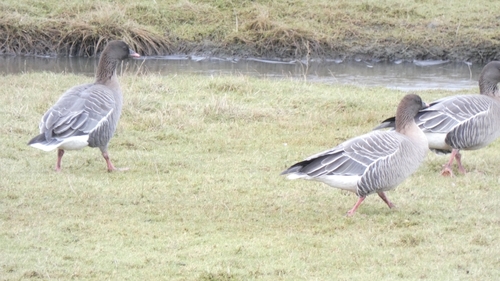 Oca zamperosee
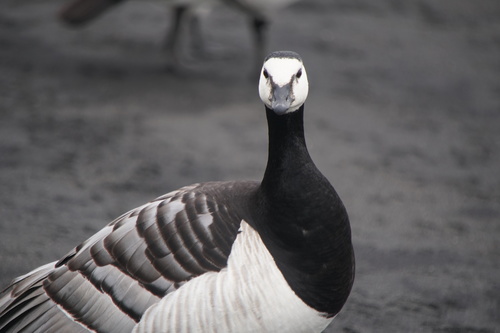 Oca facciabianca
In breve
Il modo più affidabile per separare l'Oca zamperosee dall'Oca facciabianca è attraverso il modello della testa e del becco: l'Oca zamperosee ha una testa marrone scuro uniforme e un becco corto, per lo più rosa con nero alla base e alla punta, mentre l'Oca facciabianca mostra un volto bianco sorprendente con una testa e un collo neri, e un piccolo becco completamente nero. In volo, l'Oca facciabianca rivela un audace sottocoda bianca e ali inferiori argentate, in contrasto con le parti superiori grigio-marroni più uniformi dell'Oca zamperosee e la punta della coda bianca ampia. I giovani di entrambe le specie assomigliano molto agli adulti, ma gli immaturi dell'Oca facciabianca hanno piume del mantello e dei fianchi leggermente più rotonde. L'Oca zamperosee è più grande e pesante, ma può esserci sovrapposizione. Entrambe le specie possono essere trovate in stormi misti durante la migrazione o l'inverno, quindi è essenziale prestare attenzione al modello della testa e delle ali.
Consigli di identificazione
- Il modello della testa e del volto è il segno di campo più affidabile: L'Oca zamperosee ha una testa e un collo marrone scuro uniforme senza bianco, mentre l'Oca facciabianca ha un volto bianco audace e una testa/collo neri. Questo è ovvio a qualsiasi distanza e in tutte le età.
- Colore e struttura del becco: L'Oca zamperosee mostra un becco corto con una distintiva banda rosa al centro, nero alla base e alla punta; l'Oca facciabianca ha un piccolo becco completamente nero. Il colore del becco è diagnostico a distanza ravvicinata.
- Colore delle gambe e dei piedi: L'Oca zamperosee ha piedi rosa brillanti, mentre l'Oca facciabianca ha gambe e piedi neri. Questo è utile quando gli uccelli sono a terra e visibili.
- Colore del corpo e delle parti superiori: L'Oca zamperosee è di un grigio-marrone medio complessivamente, con una testa/collo marrone più scuro e copritrici delle ali superiori bluastre più chiare; l'Oca facciabianca è molto più contrastante, con parti superiori grigio-argento barrate e una pancia bianca.
- Coda e sottocoda in volo: L'Oca facciabianca mostra una sorprendente macchia bianca sulla sottocoda e una coda nera, formando una forma a V netta; l'Oca zamperosee ha una coda grigia con una punta bianca ampia, ma il bianco è meno esteso e non ha forma a V.
- Modello delle ali inferiori: L'Oca facciabianca ha rivestimenti delle ali inferiori grigio-argento, che possono apparire chiari in volo; l'ala inferiore dell'Oca zamperosee è più uniformemente scura.
- Differenze nei giovani: I giovani Oche facciabianca hanno piume del mantello e dei fianchi leggermente più rotonde, ma questo è sottile e di solito non è visibile nel campo. L'Oca zamperosee giovane assomiglia molto agli adulti.
- Dimensioni: L'Oca zamperosee è più grande e pesante, ma c'è sovrapposizione; usa le dimensioni solo se gli uccelli sono insieme per un confronto diretto.
- Struttura e comportamento degli stormi: L'Oca zamperosee forma spesso enormi stormi rumorosi nei terreni agricoli; gli stormi di Oche facciabianca sono di solito più piccoli e più costieri, ma questo non è diagnostico.
- Vocalizzazioni: L'Oca zamperosee è molto più vocale, con un richiamo acuto in volo; i richiami dell'Oca facciabianca sono meno distintivi per la separazione.
- Habitat: Entrambe possono verificarsi insieme in inverno, ma l'Oca zamperosee preferisce i terreni agricoli, mentre l'Oca facciabianca più spesso in zone umide o praterie costiere. Usa solo come contesto di supporto.
- Variazione sessuale e stagionale: Entrambe le specie mostrano poche o nessuna differenza di piumaggio sessuale o stagionale; tutti i segni di campo sopra si applicano tutto l'anno e a entrambi i sessi.
- Trappole: In scarsa illuminazione o a grande distanza, il volto bianco dell'Oca facciabianca può apparire più opaco, e la testa marrone dell'Oca zamperosee può sembrare più chiara; controlla sempre più caratteristiche. Gli stormi misti sono possibili, quindi osserva attentamente.
- Aspetto in volo: L'Oca facciabianca appare più compatta e con collo corto in volo, con una sottocoda bianca più evidente; l'Oca zamperosee ha un collo più lungo e un aspetto più semplice sopra.
- Non confondere con altre oche: Il modello della testa bianco e nero dell'Oca facciabianca è unico tra le oche europee, tranne che per il Branta, che è più piccolo e più scuro complessivamente; il becco e i piedi rosa dell'Oca zamperosee sono unici tra le oche Anser nella regione.
Taglia
L'Oca zamperosee è la più grande e pesante delle due, con una massa corporea media di circa 2505 g rispetto ai 1687 g dell'Oca facciabianca [wikidata]. L'Oca zamperosee misura 60–75 cm di lunghezza con un'apertura alare di 135–170 cm, mentre l'Oca facciabianca è lunga 55–70 cm con un'apertura alare di 120–145 cm [wikipedia]. Tuttavia, le loro dimensioni possono sovrapporsi, quindi le dimensioni da sole non sono un segno di campo affidabile a meno che gli uccelli non siano affiancati.
Piumaggio
I giovani e gli adulti Oche facciabianca hanno entrambi una testa e un collo neri distintivi con un volto e una pancia bianchi, e parti superiori grigio-argento barrate. In volo, l'Oca facciabianca mostra una prominente macchia bianca a forma di V sulla sottocoda e rivestimenti delle ali inferiori chiari, che sono visibili a distanza. L'Oca zamperosee, indipendentemente dall'età, ha una testa e un collo marrone scuro uniforme, un corpo grigio-marrone medio e piedi rosa. Le sue copritrici delle ali superiori sono bluastre più chiare, ma la colorazione complessiva delle ali e del corpo è molto più semplice rispetto all'Oca facciabianca. La coda dell'Oca zamperosee è grigia con una punta bianca ampia, mentre la sottocoda bianca dell'Oca facciabianca è più estesa e contrasta nettamente con la coda nera. I giovani Oche facciabianca possono essere distinti dagli adulti da piume del mantello e dei fianchi leggermente più rotonde, ma questo è sottile e di solito non è visibile sul campo. Entrambe le specie non presentano forti differenze di piumaggio stagionale o basate sul sesso.
Comportamento
Entrambe le specie sono altamente gregarie, formando spesso grandi stormi in inverno. Le Oche zamperosee sono spesso viste pascolare in enormi numeri nei terreni agricoli, a volte nell'ordine delle decine di migliaia, e sono particolarmente vocali in volo, producendo un medley di richiami acuti. Anche le Oche facciabianca formano stormi densi, ma il loro comportamento di alimentazione e di aggregazione non è così distintivo come quello dell'Oca zamperosee. Entrambe le specie possono mescolarsi con altre oche, quindi il contesto comportamentale di solito non è diagnostico.
Habitat
Entrambe le specie nidificano nell'Artico e svernano nel nord-ovest dell'Europa, spesso condividendo le stesse regioni generali (Irlanda, Gran Bretagna, Paesi Bassi, Danimarca). L'Oca zamperosee tende a svernare in stormi più grandi nei terreni agricoli, specialmente nella Scozia orientale e nell'Inghilterra orientale, mentre l'Oca facciabianca si trova più spesso in aree costiere, estuari e zone umide, anche se può anche pascolare nell'entroterra. La sovrapposizione degli habitat è comune in inverno, quindi l'habitat da solo non è un separatore affidabile.
Voce
L'Oca zamperosee è nota per il suo richiamo molto vocale e acuto, specialmente quando gli stormi sono in volo, che può essere quasi assordante. Anche l'Oca facciabianca chiama in volo, ma la sua voce è meno descritta nelle fonti e non è un segno di campo primario per la separazione tra queste due specie.
Oca zamperosee · Oca facciabianca · I miei uccelli difficili