

Zigolo golarossa vs Ortolano grigio
Emberiza leucocephalos contro Emberiza caesia
Fai un quiz con Zigolo golarossa e Ortolano grigio
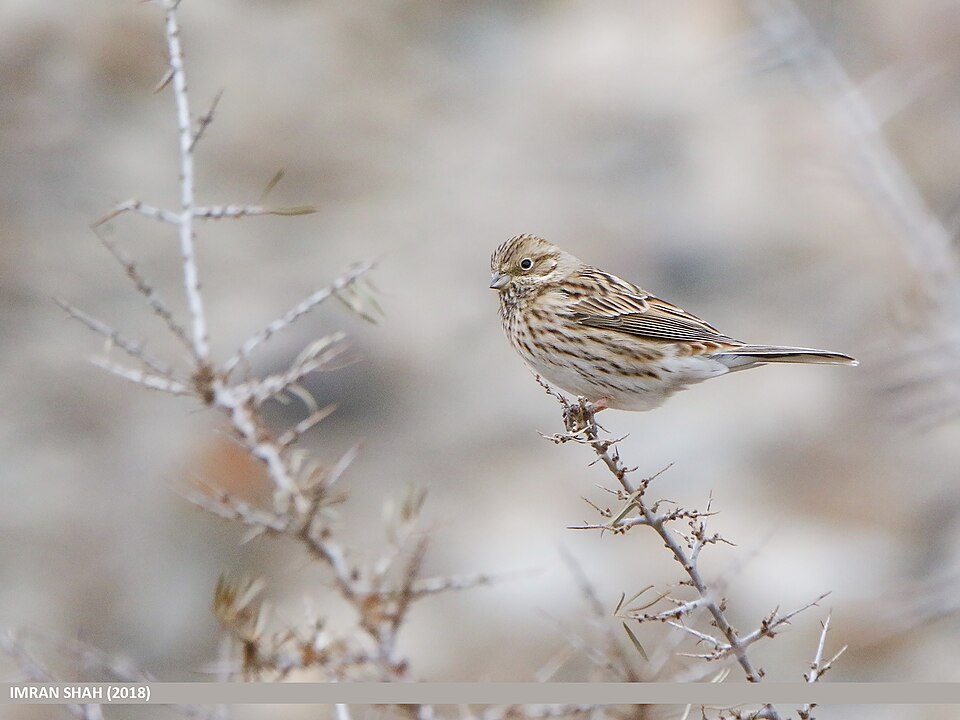 Zigolo golarossa
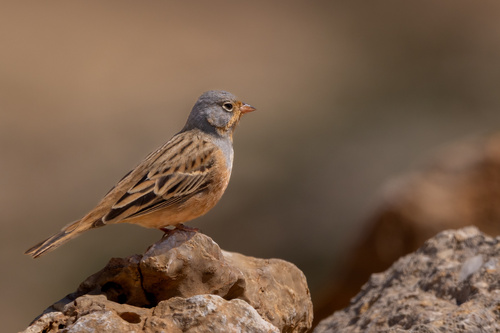 Ortolano grigio
In breve
Il segno distintivo più affidabile tra Zigolo golarossa e Ortolano grigio è la colorazione della testa e delle parti inferiori nei maschi adulti: i maschi di Zigolo golarossa mostrano una corona e guance bianche con una gola castana, mentre i maschi di Ortolano grigio hanno una testa grigia con baffi arancioni e parti inferiori arancioni ruggine. Le femmine e gli immaturi di entrambe le specie sono molto più opachi e possono essere confusi, ma l'Ortolano grigio mostra tipicamente un sopracciglio marrone caldo e un anello oculare bianco, mentre le femmine di Zigolo golarossa sono più pesantemente striate sotto e mancano delle tonalità calde. In volo o da lontano, concentrati sul motivo della testa e sul colore del sopracciglio per la migliore separazione. Entrambe le specie sono robusti zigoli con becchi spessi, ma sottili differenze nella struttura e nel piumaggio sono fondamentali, soprattutto al di fuori della stagione riproduttiva.
Consigli di identificazione
- Motivo della testa del maschio adulto: I maschi di Zigolo golarossa hanno una corona e guance bianche con una gola e una fronte castane; i maschi di Ortolano grigio hanno una testa grigia con baffi arancioni. Questo è il segno migliore in primavera e all'inizio dell'estate.
- Colore delle parti inferiori (maschio): I maschi di Zigolo golarossa hanno parti inferiori più chiare e meno colorate, mentre i maschi di Ortolano grigio mostrano un ricco arancione ruggine sotto.
- Colore del sopracciglio (tutte le età): L'Ortolano grigio mostra un sopracciglio marrone caldo, particolarmente evidente in volo o quando si pulisce; il sopracciglio di Zigolo golarossa non è distintamente colorato e si fonde con la schiena.
- Anello oculare (femmina/immaturo): Le femmine e gli immaturi di Ortolano grigio hanno un evidente anello oculare bianco, assente nello Zigolo golarossa.
- Striature sotto (femmina/immaturo): Le femmine e gli immaturi di Zigolo golarossa sono più pesantemente striati sulle parti inferiori rispetto a quelle di Ortolano grigio, che appaiono più calde e meno striate.
- Colore del becco: L'Ortolano grigio ha un becco rosa, specialmente in piumaggio riproduttivo, mentre il becco di Zigolo golarossa non è specificamente descritto come rosa ma è spesso e a forma di mangiatore di semi.
- Colore delle guance e della gola (femmina/immaturo): Le femmine di Zigolo golarossa hanno guance e gola chiare e striate, mancando delle tonalità calde dell'Ortolano grigio.
- Confusione non riproduttiva: In piumaggio non riproduttivo, Zigolo golarossa assomiglia a uno Zigolo giallo con tutto il giallo sostituito dal bianco; l'Ortolano grigio rimane più caldo e marrone, specialmente sul sopracciglio.
- Cautela ibrida: Alcuni Zigoli golarossa possono mostrare frange gialle sulle primarie a causa dell'ibridazione con lo Zigolo giallo; questo non si applica all'Ortolano grigio, ma può confondere l'identificazione se ci si aspetta un bianco puro nello Zigolo golarossa.
- Dimensioni e struttura: Zigolo golarossa è leggermente più grande e più robusto; l'Ortolano grigio è più piccolo e più delicato, ma la dimensione è un indizio sottile a meno che entrambi non siano visti insieme.
- Contesto dell'habitat: Se sei in Eurosiberia, ci si aspetta Zigolo golarossa; nel sud-est dell'Europa o nel cespuglio roccioso mediterraneo, l'Ortolano grigio è più probabile.
- Viste in volo: In volo, cerca il sopracciglio marrone caldo e l'anello oculare bianco dell'Ortolano grigio; Zigolo golarossa manca di entrambe le caratteristiche e appare complessivamente più chiaro.
- Canto: Se si sente cantare e il canto è simile a quello dello Zigolo giallo, è più probabile che sia Zigolo golarossa, ma questo non è un forte separatore con le informazioni attuali.
- Striature sulla schiena: Entrambe le specie hanno schiene marroni pesantemente striate, quindi questo non è un segno utile per la separazione.
- Trappola: Le femmine e gli immaturi di entrambe le specie possono essere molto simili; concentrati sul colore del sopracciglio e sull'anello oculare per la separazione più sicura in queste età.
Taglia
Entrambe le specie sono zigoli di dimensioni medie, ma Zigolo golarossa è leggermente più grande e più robusto (16–17,5 cm) rispetto all'Ortolano grigio, che è più piccolo dell'Ortolano (misurazione esatta non fornita, ma generalmente più piccolo e più delicato nell'aspetto). Entrambi hanno becchi spessi, da mangiatore di semi, sebbene il becco dell'Ortolano grigio sia descritto come rosa e robusto. Sul campo, la differenza di dimensione è sottile e non è il segno più affidabile a meno che non siano visti fianco a fianco.
Piumaggio
-
Giovanile/Primo inverno/Immaturo: Non sono descritti dettagliati motivi alari o segni sulle ali superiori per entrambe le specie a queste età, quindi la separazione si basa sulla colorazione generale e sulle striature. Gli immaturi e le femmine di Ortolano grigio mostrano un motivo della testa più debole ma sono distinti da un sopracciglio marrone caldo e un anello oculare bianco. Le femmine e gli immaturi di Zigolo golarossa sono più pesantemente striati sotto e mancano del sopracciglio marrone caldo, apparendo complessivamente più chiari e freddi.
-
Maschio adulto in riproduzione: I maschi di Zigolo golarossa hanno una striking corona e guance bianche, fronte e gola castane, e una schiena marrone pesantemente striata. I maschi di Ortolano grigio hanno una testa grigia con baffi arancioni, parti superiori striate marroni tranne che per il sopracciglio, e parti inferiori arancioni ruggine. Il sopracciglio è una differenza chiave: marrone e caldo nell'Ortolano grigio, non distintivo nello Zigolo golarossa.
-
Non riproduttivo: Zigolo golarossa in piumaggio non riproduttivo assomiglia a uno Zigolo giallo ma con tutto il giallo sostituito dal bianco. Le femmine di Ortolano grigio e gli uccelli non riproduttivi rimangono complessivamente più caldi, specialmente sul sopracciglio, e mantengono l'anello oculare bianco.
Comportamento
Entrambe le specie sono zigoli tipici nel comportamento, spesso visti appollaiati su rami esposti o cercando cibo a terra. Non sono notate differenze comportamentali distintive nelle fonti per la separazione sul campo. Entrambi possono mostrare abitudini di alimentazione e volo simili.
Habitat
Zigolo golarossa si trova in Eurosiberia a est degli Urali, tipicamente in boschi aperti o habitat di margine con alberi sparsi. L'habitat dell'Ortolano grigio non è dettagliato qui, ma si trova generalmente nel sud-est dell'Europa e nel Mediterraneo orientale, spesso in pendii rocciosi e cespugli. Se sei in Eurosiberia, è molto più probabile trovare Zigolo golarossa; nel sud-est dell'Europa o nel Mediterraneo, aspettati l'Ortolano grigio.
Voce
Il canto e i richiami di Zigolo golarossa sono simili a quelli dello Zigolo giallo, senza differenze vocali uniche descritte qui per la separazione dall'Ortolano grigio. Nessuna descrizione vocale è fornita per l'Ortolano grigio in queste note, quindi la voce non è un separatore affidabile basato sulle informazioni attuali.
Zigolo golarossa · Ortolano grigio · I miei uccelli difficili