

Motmot

Pearly-bellied Seedeater vs Marsh Seedeater

Sporophila pileata contro Sporophila palustris

Fai un quiz con Pearly-bellied Seedeater e Marsh Seedeater
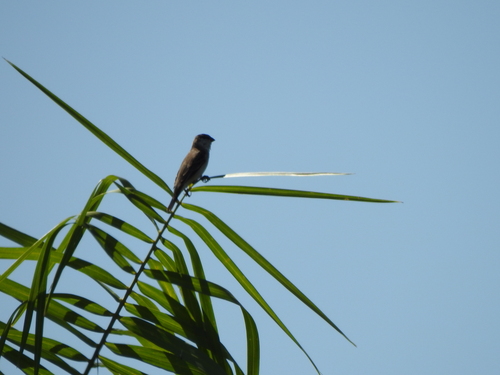
Pearly-bellied Seedeater (Sporophila pileata) Pearly-bellied Seedeater
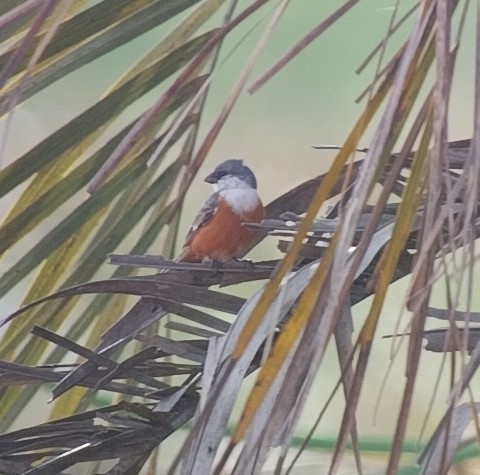
Marsh Seedeater (Sporophila palustris) Marsh Seedeater

Media

Caricamento…

In breve

The most reliable field mark between Pearly-bellied Seedeater and Marsh Seedeater is the adult male head pattern: Pearly-bellied males have a black cap down to the eye with an off-white face, while Marsh Seedeater males show a uniform plumbeous gray crown extending below the eye and a white face. Both species have a white patch at the base of the primaries visible on the folded wing, but the extent and context differ subtly. Females and juveniles are much trickier, both being brownish-olive above and ochraceous below, but bill color and subtle differences in underpart tones can help. Size and structure are very similar, so focus on head pattern and bill color (especially in females) for separation.

Consigli di identificazione

  1. Adult male head pattern is the most reliable mark: Pearly-bellied has a black cap down to the eye with an off-white face; Marsh Seedeater has a uniform plumbeous gray crown extending below the eye and a white face. This is diagnostic in adult males.
  2. Adult male underparts: Pearly-bellied males have a whitish belly with ochre-buff flanks; Marsh Seedeater males have white throat and breast but dark brown to cinnamon lower underparts.
  3. Nape and upperparts in adult males: Pearly-bellied shows grayish-pink nape and upperparts; Marsh Seedeater has plumbeous gray nape and back, with a dark brown to cinnamon rump.
  4. Female and juvenile bill color: Pearly-bellied females and juveniles have a blackish bill; Marsh Seedeater females have a brown upper mandible and a pale yellowish lower mandible. This is subtle but can be seen at close range.
  5. Female and juvenile upperparts: Both are brownish-olive above, but Pearly-bellied may show a slightly more olive tone, while Marsh Seedeater can have a browner or olive cast. This is not always reliable.
  6. Female and juvenile underparts: Pearly-bellied is mostly ochre-buff with a whitish belly; Marsh Seedeater is ochraceous throughout. The difference is subtle and not always useful in the field.
  7. White primary patch: Both sexes and ages show a small white patch at the base of the primaries on the folded wing. This is not diagnostic between these two species, but helps confirm you are looking at a Sporophila seedeater.
  8. Leg and iris color: Both species have dark legs and dark irises; not useful for separation.
  9. Tail and wing color: Both have dark wings and tail, but Marsh Seedeater's are described as darker grayish brown; Pearly-bellied's are blackish with pale cinnamon-brown edges. This difference is subtle and not always visible.
  10. Size and structure: Both are very small, short-tailed, thick-billed seedeaters. Size is not a reliable field mark.
  11. Habitat context: Marsh Seedeater is more likely in seasonally flooded grasslands and marshes, while Pearly-bellied can be found in a wider range of open habitats. However, both can occur together, so do not rely on habitat alone.
  12. Abundance: Marsh Seedeater is much rarer and Endangered; Pearly-bellied is more frequent to uncommon. If you see many individuals, they are more likely Pearly-bellied, but this is not a safe field mark for a single bird.
  13. Juvenile confusion: Juveniles of both species resemble adult females and are very hard to separate. Bill color (if visible) is the best clue.
  14. No known vocal differences: No diagnostic vocalizations are described in the sources, so do not rely on song or call for separation.
  15. In flight: No unique flight marks or jizz are described for either species; focus on plumage and bill color when possible.

Taglia

Both species are among the smallest Sporophila. Pearly-bellied Seedeater averages about 10 cm in length and 7.6–10 g in mass, while Marsh Seedeater is slightly longer at 10.5–11.5 cm, with males at 9 g and females at 7.5 g. In the field, this size difference is negligible and not a reliable separator. Both have short, thick bills with rounded culmen, and similar overall proportions.

Piumaggio

Juveniles and females of both species are very similar: brownish-olive above, ochraceous or buff below, and both show a small white patch at the base of the primaries on the folded wing. This white patch is present in both species and is not diagnostic on its own, but can help confirm age as non-adult-male.

Adult males are best separated by head and underpart pattern: Pearly-bellied shows a black cap down to the eye, off-white face, grayish-pink nape and upperparts, and a whitish belly with ochre-buff flanks; Marsh Seedeater males have a uniform plumbeous gray crown extending below the eye, white face, white throat and breast, and dark brown to cinnamon lower underparts. Female Pearly-bellied has an olive-brown head and upperparts, with a blackish bill; female Marsh Seedeater is brownish with possible olive cast, but has a two-toned bill (brown maxilla, pale yellowish mandible). Both have dark wings and tail, but Marsh Seedeater's wings and tail are darker grayish brown. Juveniles resemble adult females in both species.

Comportamento

No strong behavioral differences are noted between these two species. Both are typical seedeaters, likely to be seen feeding on grasses or perched in open country. Flight style and jizz are not described as diagnostic.

Habitat

Both species overlap in range (Argentina, Brazil, Paraguay, Uruguay) and can be found in similar open habitats. Marsh Seedeater is more closely tied to seasonally flooded grasslands and marshes, while Pearly-bellied Seedeater occupies a broader range of open country, including areas affected by agriculture. Marsh Seedeater is much rarer and more threatened, so context and abundance may help, but are not reliable for individual identification.

Invia una descrizione migliore

Usa le stesse sezioni del confronto. Il testo viene pubblicato subito.

The most reliable field mark between Pearly-bellied Seedeater and Marsh Seedeater is the adult male head pattern: Pearly-bellied males have a black cap down to the eye with an off-white face, while Marsh Seedeater males show a uniform plumbeous gray crown extending below the eye and a white face. Both species have a white patch at the base of the primaries visible on the folded wing, but the extent and context differ subtly. Females and juveniles are much trickier, both being brownish-olive above and ochraceous below, but bill color and subtle differences in underpart tones can help. Size and structure are very similar, so focus on head pattern and bill color (especially in females) for separation.

  1. Adult male head pattern is the most reliable mark: Pearly-bellied has a black cap down to the eye with an off-white face; Marsh Seedeater has a uniform plumbeous gray crown extending below the eye and a white face. This is diagnostic in adult males.
  2. Adult male underparts: Pearly-bellied males have a whitish belly with ochre-buff flanks; Marsh Seedeater males have white throat and breast but dark brown to cinnamon lower underparts.
  3. Nape and upperparts in adult males: Pearly-bellied shows grayish-pink nape and upperparts; Marsh Seedeater has plumbeous gray nape and back, with a dark brown to cinnamon rump.
  4. Female and juvenile bill color: Pearly-bellied females and juveniles have a blackish bill; Marsh Seedeater females have a brown upper mandible and a pale yellowish lower mandible. This is subtle but can be seen at close range.
  5. Female and juvenile upperparts: Both are brownish-olive above, but Pearly-bellied may show a slightly more olive tone, while Marsh Seedeater can have a browner or olive cast. This is not always reliable.
  6. Female and juvenile underparts: Pearly-bellied is mostly ochre-buff with a whitish belly; Marsh Seedeater is ochraceous throughout. The difference is subtle and not always useful in the field.
  7. White primary patch: Both sexes and ages show a small white patch at the base of the primaries on the folded wing. This is not diagnostic between these two species, but helps confirm you are looking at a Sporophila seedeater.
  8. Leg and iris color: Both species have dark legs and dark irises; not useful for separation.
  9. Tail and wing color: Both have dark wings and tail, but Marsh Seedeater's are described as darker grayish brown; Pearly-bellied's are blackish with pale cinnamon-brown edges. This difference is subtle and not always visible.
  10. Size and structure: Both are very small, short-tailed, thick-billed seedeaters. Size is not a reliable field mark.
  11. Habitat context: Marsh Seedeater is more likely in seasonally flooded grasslands and marshes, while Pearly-bellied can be found in a wider range of open habitats. However, both can occur together, so do not rely on habitat alone.
  12. Abundance: Marsh Seedeater is much rarer and Endangered; Pearly-bellied is more frequent to uncommon. If you see many individuals, they are more likely Pearly-bellied, but this is not a safe field mark for a single bird.
  13. Juvenile confusion: Juveniles of both species resemble adult females and are very hard to separate. Bill color (if visible) is the best clue.
  14. No known vocal differences: No diagnostic vocalizations are described in the sources, so do not rely on song or call for separation.
  15. In flight: No unique flight marks or jizz are described for either species; focus on plumage and bill color when possible.

Both species are among the smallest Sporophila. Pearly-bellied Seedeater averages about 10 cm in length and 7.6–10 g in mass, while Marsh Seedeater is slightly longer at 10.5–11.5 cm, with males at 9 g and females at 7.5 g. In the field, this size difference is negligible and not a reliable separator. Both have short, thick bills with rounded culmen, and similar overall proportions.

Juveniles and females of both species are very similar: brownish-olive above, ochraceous or buff below, and both show a small white patch at the base of the primaries on the folded wing. This white patch is present in both species and is not diagnostic on its own, but can help confirm age as non-adult-male.

Adult males are best separated by head and underpart pattern: Pearly-bellied shows a black cap down to the eye, off-white face, grayish-pink nape and upperparts, and a whitish belly with ochre-buff flanks; Marsh Seedeater males have a uniform plumbeous gray crown extending below the eye, white face, white throat and breast, and dark brown to cinnamon lower underparts. Female Pearly-bellied has an olive-brown head and upperparts, with a blackish bill; female Marsh Seedeater is brownish with possible olive cast, but has a two-toned bill (brown maxilla, pale yellowish mandible). Both have dark wings and tail, but Marsh Seedeater's wings and tail are darker grayish brown. Juveniles resemble adult females in both species.

No strong behavioral differences are noted between these two species. Both are typical seedeaters, likely to be seen feeding on grasses or perched in open country. Flight style and jizz are not described as diagnostic.

Both species overlap in range (Argentina, Brazil, Paraguay, Uruguay) and can be found in similar open habitats. Marsh Seedeater is more closely tied to seasonally flooded grasslands and marshes, while Pearly-bellied Seedeater occupies a broader range of open country, including areas affected by agriculture. Marsh Seedeater is much rarer and more threatened, so context and abundance may help, but are not reliable for individual identification.

Scartare le modifiche?

Hai modifiche non salvate. Se esci ora, andranno perse.

Pearly-bellied Seedeater · Marsh Seedeater · I miei uccelli difficili