

Pacific Wren vs Winter Wren
Troglodytes pacificus contro Troglodytes hiemalis
Fai un quiz con Pacific Wren e Winter Wren
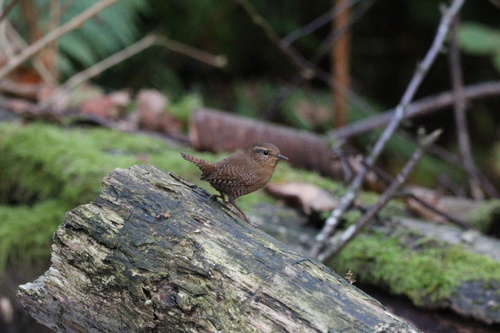 Pacific Wren
 Winter Wren
In breve
Pacific Wren e Winter Wren sono estremamente simili, entrambi essendo piccoli, rotondi, wrens marroni con code sollevate e fine barratura, e entrambi erano precedentemente considerati la stessa specie. La separazione sul campo più pratica è sottile: Pacific Wren tende ad essere più ricco e caldo ruggine sotto, mentre Winter Wren è generalmente più grigio sotto e spesso mostra un sopracciglio pallido più distinto. Gli uccelli giovani e immaturi di entrambe le specie sono meno distintamente barrati, rendendo ancora più difficile la separazione. Le differenze strutturali e comportamentali sono minime, quindi concentrati su toni di piumaggio sottili e, quando possibile, vocalizzazioni. L'habitat e l'areale sono più utili dei segni sul campo in molte situazioni, specialmente al di fuori della stagione riproduttiva.
Consigli di identificazione
- Tono del piumaggio sotto: Pacific Wren è tipicamente più ricco e caldo ruggine nelle parti inferiori, mentre Winter Wren è più grigio sotto. Questo è sottile e meglio giudicato in buona luce.
- Supercilium (sopracciglio): Winter Wren spesso mostra un sopracciglio pallido più distinto, specialmente nel piumaggio fresco, mentre quello di Pacific Wren è meno prominente. Questo è più utile sugli uccelli in pericolo a distanza ravvicinata.
- Barratura: Entrambe le specie sono finemente barrate su ali e coda, ma gli uccelli giovani di entrambe le specie hanno una barratura meno distintiva, rendendo la separazione tramite questa caratteristica inaffidabile nei giovani e immaturi.
- Becco e zampe: Entrambi hanno becchi marroni scuri e zampe marroni chiare; queste caratteristiche non sono utili per la separazione.
- Coda e postura: Entrambe le specie hanno code corte, spesso sollevate, e una forma corporea rotonda e compatta. Le differenze strutturali sono trascurabili.
- Schema di volo: Entrambe le specie hanno voli brevi e diretti con ali che frullano rapidamente; non si nota alcuna differenza diagnostica.
- Habitat e areale: Usa la posizione come indizio principale—Pacific Wren a ovest, Winter Wren a est. La vaganza è rara ma possibile, quindi non fare affidamento solo sull'areale nelle zone di sovrapposizione.
- Vocalizzazioni: I canti sono complessi e specifici per specie, ma i dettagli non sono forniti qui. Se puoi registrare o confrontare il canto con riferimenti noti, questo è spesso il segno sul campo più affidabile.
- Comportamento: Entrambi sono ugualmente segreti e attivi in copertura densa; il comportamento non è utile per la separazione.
- Stagione e età: Gli uccelli giovani e immaturi di entrambe le specie sono meno distintamente barrati e più uniformi, rendendoli particolarmente difficili da separare visivamente.
- Differenze sessuali: Non si nota dimorfismo sessuale nelle fonti; maschi e femmine sono simili in entrambe le specie.
- Contesto: Se visti in stormi misti o in migrazione, fai affidamento su vocalizzazioni o areale piuttosto che sull'aspetto.
- Illuminazione e usura: Gli uccelli sbiaditi o usurati possono apparire più chiari e meno distintamente marcati, riducendo ulteriormente l'utilità dei segni del piumaggio.
- Trappole: L'eccessivo affidamento su una singola caratteristica (come il sopracciglio o il colore delle parti inferiori) può portare a errori, specialmente in scarsa luce o con uccelli usurati. Usa una combinazione di segni e, dove possibile, voce e posizione.
- Quando in dubbio: Se non puoi separare con sicurezza i due per piumaggio, struttura o canto, e ti trovi in una potenziale zona di sovrapposizione, è meglio lasciare l'identificazione come irrisolta.
Taglia
Entrambe le specie sono tra i più piccoli wrens nordamericani e sono praticamente identiche in dimensioni. Winter Wren è documentato a 8–12 cm di lunghezza, 8–12 g di peso e un'apertura alare di 12–16 cm [wikipedia]. Non si nota alcuna differenza di dimensioni affidabile tra Pacific e Winter Wren nelle fonti disponibili, quindi la dimensione non è un utile segno sul campo.
Piumaggio
Entrambe le specie sono ruggine-marroni sopra con barratura più scura su ali e coda, e entrambe hanno zampe marroni chiare e becchi scuri. Pacific Wren è descritto come più riccamente colorato sotto, con parti inferiori ruggine più calde, mentre Winter Wren è più grigio sotto. Entrambe le specie hanno una fine barratura in tutto, ma gli uccelli giovani di entrambe sono meno distintamente barrati, rendendo l'età una sfida per la separazione. Winter Wren è noto per un sopracciglio pallido più prominente (supercilium), che può essere un segno utile, specialmente nel piumaggio fresco. Non si notano differenze distintive specifiche per età tra queste due specie nelle fonti fornite.
Comportamento
Entrambi i wrens sono estremamente attivi, strisciando e arrampicandosi attraverso coperture dense, con voli brevi e diretti e una tendenza a sollevare le loro code corte sopra le schiene. I loro movimenti sono incessanti ma non particolarmente rapidi, e entrambe le specie spesso si riposano in cavità o vecchi nidi, talvolta in modo comunitario in inverno. Le differenze comportamentali non sono diagnostiche tra queste due specie.
Habitat
Entrambe le specie preferiscono foreste dense e conifere, specialmente abeti e pini, e si trovano spesso in microhabitat simili come tronchi caduti e folta vegetazione. Pacific Wren è la specie occidentale, mentre Winter Wren si trova nell'est del Nord America; i loro areali generalmente non si sovrappongono. L'habitat è utile per la separazione solo se ti trovi all'interno dell'areale noto di una specie e non dell'altra.
Voce
Entrambe le specie hanno canti lunghi, complessi ed exuberanti, che sono spesso il modo migliore per distinguerle sul campo. Tuttavia, le note non forniscono differenze specifiche nella struttura del canto o nelle note di richiamo tra Pacific e Winter Wren. In pratica, gli uccelli locali si affidano fortemente al canto per la separazione, ma questo richiede esperienza e non è dettagliato nelle fonti fornite.