

Olrog's Gull vs Kelp Gull
Larus atlanticus contro Larus dominicanus
Fai un quiz con Olrog's Gull e Kelp Gull
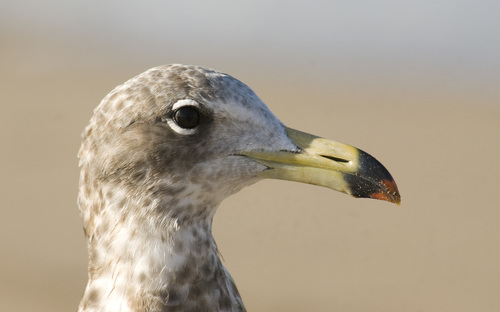 Olrog's Gull
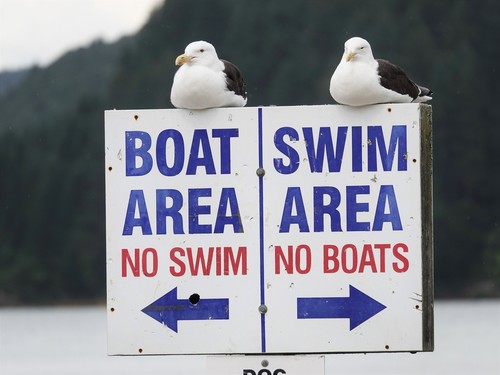 Kelp Gull
In breve
Il segno di campo più affidabile tra Olrog's Gull e Kelp Gull è il modello della coda: Olrog's Gull di tutte le età mostra una larga banda nera su una coda altrimenti bianca, mentre gli adulti Kelp Gull hanno una coda completamente bianca (i giovani hanno una banda scura sulla coda, ma è meno nettamente definita). In volo, Olrog's Gull mostra anche un bordo posteriore bianco sull'ala, in contrasto con le sue parti superiori nere, mentre il modello dell'ala del Kelp Gull è più tipico per i grandi gabbiani e manca di questo bordo posteriore netto. Il modello del becco è un altro elemento chiave: Olrog's Gull ha un becco giallo con sia una banda nera che una punta rossa, mentre il becco del Kelp Gull è giallo con solo una macchia rossa. Il colore delle gambe può aiutare: Olrog's Gull ha gambe gialle opache, mentre quelle del Kelp Gull sono giallo-verde (più brillanti durante la stagione di riproduzione). Entrambe le specie sono grandi gabbiani con dorso nero, ma il Kelp Gull è generalmente più pesante e massiccio.
Consigli di identificazione
- Il modello della coda è il segno più decisivo: Olrog's Gull (tutte le età) mostra una larga banda nera sulla coda bianca; l'adulto Kelp Gull ha una coda completamente bianca, mentre i giovani hanno una banda scura meno nettamente definita.
- Bordo posteriore dell'ala: In volo, Olrog's Gull mostra un bordo posteriore bianco sull'ala, in contrasto con le parti superiori nere; il modello dell'ala del Kelp Gull è più tipico e manca di questo bordo posteriore netto.
- Modello del becco: Olrog's Gull ha un becco giallo con sia una banda nera che una punta rossa (visibile da vicino); il becco del Kelp Gull è giallo con una singola macchia rossa vicino alla punta, privo di banda nera.
- Colore delle gambe: Olrog's Gull ha gambe gialle opache; quelle del Kelp Gull sono giallo-verde, più brillanti e gialle durante la stagione di riproduzione, più opache e verdi quando non stanno riproducendo. Questo può essere sottile in scarsa illuminazione.
- Colore della testa nei giovani: Il giovane Olrog's Gull ha una testa nera, mentre i giovani del Kelp Gull sviluppano rapidamente una base chiara del becco e una testa e parti inferiori per lo più bianche man mano che maturano.
- Testa e parti inferiori degli adulti: Entrambe le specie hanno teste e parti inferiori bianche da adulti, ma gli adulti non in riproduzione di Olrog's Gull possono mostrare una testa nerastra e un anello oculare bianco, che può essere un indizio in inverno.
- Colore degli occhi: Olrog's Gull ha occhi marroni con un anello orbitale rosso; il Kelp Gull (nominate, Sud America) ha solitamente occhi chiari, ma questo può essere difficile da giudicare a distanza.
- Dimensioni e struttura: Il Kelp Gull è più pesante e massiccio, con una struttura più potente; Olrog's Gull è leggermente più piccolo e snello, ma questo è sottile a meno che entrambi non siano affiancati.
- Superala dei giovani: Non è fornito un contrasto dettagliato nel modello della superala, ma concentrati sulla banda della coda e sul colore della testa per gli immaturi.
- Habitat e distribuzione: Se ti trovi al di fuori del sud del Brasile, Uruguay o del nord dell'Argentina, è molto improbabile che tu veda Olrog's Gull. Il Kelp Gull è diffuso e comune nelle aree costiere in tutto l'emisfero australe.
- Comportamento: Il Kelp Gull è spesso più aggressivo e dominante in gruppi misti; Olrog's Gull è più localizzato e meno numeroso.
- Confusione delle sottospecie: Ignora le caratteristiche del 'Cape Gull' africano (occhio scuro, becco più grande) a meno che non ti trovi in Africa; in Sud America, si applica il Kelp Gull nominato.
- Trappole del piumaggio: Entrambe le specie hanno un dorso nero con parti inferiori bianche da adulti; fai affidamento sul modello della coda e del becco per certezza.
- Voce: Solo il richiamo del Kelp Gull è descritto ('ki-och'); non usare la voce per separare a meno che non sia udita chiaramente e tu sia familiare con il richiamo del Kelp Gull.
- Sesso e stagione: I maschi sono leggermente più grandi delle femmine in entrambe le specie, ma questo non è un segno di campo affidabile. Gli Olrog's Gull non in riproduzione possono mostrare una testa nerastra, il che può aiutare in inverno.
Taglia
Il Kelp Gull è leggermente più grande e più pesante dell'Olrog's Gull, con una massa corporea tipica di circa 941 g (media degli adulti) e una lunghezza di 54–65 cm, apertura alare di 128–142 cm. L'Olrog's Gull è un po' più piccolo, con una lunghezza di 50–60 cm e un'apertura alare di 130–140 cm (massa non specificata, ma chiaramente meno robusto). Sul campo, il Kelp Gull appare spesso più massiccio e potente, specialmente in confronto diretto.
Piumaggio
I giovani e gli uccelli immaturi sono i più difficili. Entrambe le specie hanno un piumaggio bruno o grigio-bruno con code scure e gambe opache, ma i giovani Olrog's Gull hanno una testa nera, mentre i giovani Kelp Gull sviluppano rapidamente una base chiara del becco e una testa e parti inferiori per lo più bianche man mano che invecchiano. La banda della coda è più larga e più nettamente definita negli Olrog's Gull di tutte le età. L'adulto Olrog's Gull ha una testa bianca, parti inferiori e un sopracciglio, con un dorso e ali neri, un bordo posteriore bianco sull'ala e una coda bianca con una larga banda nera. Gli adulti Kelp Gull hanno parti superiori e ali nere, testa e parti inferiori bianche e una coda completamente bianca. Il becco dell'Olrog's Gull è giallo con una banda nera e una punta rossa; quello del Kelp Gull è giallo con solo una macchia rossa. L'Olrog's Gull ha occhi marroni con un anello orbitale rosso, mentre il colore degli occhi del Kelp Gull varia a seconda della sottospecie ma è solitamente chiaro in Sud America. Colore delle gambe: Olrog's è giallo opaco; quello del Kelp Gull è giallo-verde (più brillante durante la stagione di riproduzione).
Comportamento
Entrambe le specie si comportano come tipici grandi gabbiani, spesso visti a riposare sulle spiagge o a nutrirsi lungo le coste. Il Kelp Gull è più probabile che venga visto in una gamma più ampia di habitat costieri e può essere più aggressivo e dominante in gruppi misti di gabbiani. L'Olrog's Gull ha una gamma più ristretta ed è meno probabile che venga visto lontano dalle sue aree principali di riproduzione e alimentazione.
Habitat
L'Olrog's Gull è limitato alla costa atlantica del sud del Brasile, Uruguay e nord dell'Argentina, tipicamente in habitat più localizzati e costieri. Il Kelp Gull è molto più diffuso in tutto l'emisfero australe ed è comune sulle coste e sulle isole, inclusa la stessa regione dell'Olrog's ma anche molto oltre. Se ti trovi al di fuori della gamma limitata dell'Olrog's Gull, un grande gabbiano con dorso nero è quasi certamente un Kelp Gull.
Voce
Il Kelp Gull emette un richiamo stridente 'ki-och'. Nessuna vocalizzazione specifica è descritta per l'Olrog's Gull nelle note, quindi la voce non è un separatore affidabile.