

Motmot

Mestolone vs Smergo minore

Spatula clypeata contro Mergus serrator

Fai un quiz con Mestolone e Smergo minore
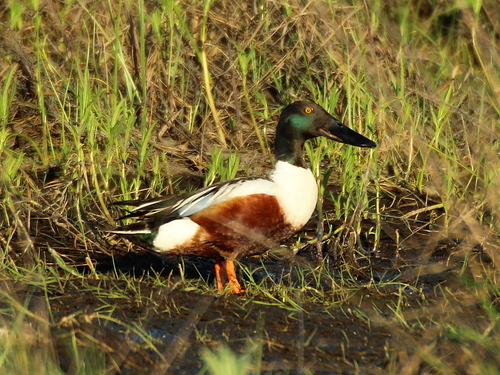
Mestolone (Spatula clypeata) Mestolone
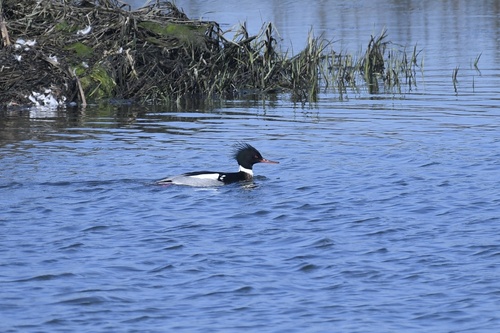
Smergo minore (Mergus serrator) Smergo minore

Media

Caricamento…

In breve

The most reliable field mark between Northern Shoveler and Red-breasted Merganser is the bill: shovelers have a huge, broad, spatula-shaped bill, while mergansers show a long, thin, straight red bill with serrated edges. In flight, female and eclipse shoveler show a pale blue forewing and green speculum, while female/immature mergansers show a white wing patch. Adult males in breeding plumage are easily separated by the shoveler's white breast and chestnut flanks versus the merganser's rusty breast, spiky crest, and white neck. Juveniles and females are trickier, but the bill and wing pattern remain the most consistent clues. Both species overlap in range and can be seen on migration, but their structure, feeding behavior, and wing patterns are distinct.

Consigli di identificazione

  1. Bill shape is the most consistent mark: Northern Shoveler has a huge, broad, spatula-shaped bill (both sexes, all ages), while Red-breasted Merganser has a long, thin, straight red bill with serrated edges. Check this first, especially at close range or with a clear side view.
  2. Female and immature wing pattern in flight: Female/immature shoveler shows a pale blue forewing and green speculum, separated by a white border; merganser shows a white wing patch but lacks the blue/green combination. This is most useful when birds flush or are seen overhead.
  3. Adult breeding male plumage: Male shoveler is striking with a dark green head (less iridescent than Mallard), white breast, chestnut flanks, and black bill. Male merganser has a dark green, spiky-crested head, white neck, rusty breast, black back, and thin red bill. The spiky crest is unique to merganser.
  4. Female/immature body and head color: Female shoveler is mottled brown overall with a duller, orange-tinged broad bill; female merganser has a rusty head, grayish-brown body, and a long, thin red bill. Juvenile merganser is similar to female but with a shorter crest and less prominent white wing patch.
  5. Eclipse (nonbreeding) male shoveler: Resembles female but retains the pale blue forewing; male merganser in nonbreeding plumage is not described as resembling female, but note the persistent crest and bill shape.
  6. Crested vs. smooth head: Merganser (all ages/sexes) has a shaggy or spiky crest, especially obvious in males; shoveler has a smooth, rounded head profile.
  7. Leg color: Shoveler has bright orange-red legs (both sexes); merganser leg color is not described as distinctive in the notes.
  8. Feeding behavior: Shoveler dabbles and swings its bill side to side at the surface; merganser dives and chases fish underwater. If you see the bird actively feeding, this is a strong clue.
  9. Flight style: Merganser flies rapidly with neck outstretched and a slim, pointed profile; shoveler is more compact in flight, with a broader body and shorter neck.
  10. Habitat context: Shoveler prefers shallow freshwater marshes; merganser is more likely on open water, especially coastal or large lakes/rivers, particularly outside the breeding season.
  11. Size and jizz: Merganser is larger and longer-necked, but there is some overlap; use in combination with other marks.
  12. Seasonal context: Breeding males are easiest to separate; females and immatures require careful attention to bill shape and wing pattern. In eclipse, shoveler males retain the blue forewing.
  13. Group composition: Shovelers are less gregarious than some dabblers, often in small groups; mergansers may be seen in loose flocks, especially on migration.
  14. Potential pitfalls: In eclipse or juvenile plumage, shoveler males may resemble females, but the bill and wing pattern remain reliable. Merganser juveniles can be confused with females, but the crest and bill shape help.
  15. When in doubt: Focus on the bill shape and, if possible, the wing pattern in flight—these are the most reliable marks across all ages and sexes.

Taglia

Red-breasted Merganser is the larger species, with adults averaging 51–64 cm in length and a body mass around 1021.5 g [wikidata]. Northern Shoveler is smaller, at 44–52 cm long and 500–800 g (rarely up to 1000 g) [wikipedia]. Mergansers also tend to appear longer-necked and slimmer in the field, while shovelers are more compact with a broad body.

Piumaggio

For females and immatures in flight, Northern Shoveler shows a pale blue forewing (upperwing coverts) and a green speculum, separated by a white border; the rest of the wing is mostly gray-brown. Red-breasted Merganser (female/immature) has a white wing patch, but lacks the blue and green combination. On the ground, female shovelers are mottled brown with a long, broad bill and orange-tinged edges, while female mergansers are grayish-brown with a rusty head and a long, thin red bill. Breeding male shoveler is unmistakable with a dark green head, white breast, and chestnut flanks; breeding male merganser has a dark green head with a spiky crest, white neck, rusty breast, and black back. In eclipse (nonbreeding) plumage, male shoveler resembles the female but keeps the blue forewing. Juvenile mergansers look like females but with a shorter crest and smaller white wing patch.

Comportamento

Northern Shoveler feeds by dabbling and swinging its bill side to side to strain small invertebrates and plant matter from the water surface, often in shallow marshes. Red-breasted Merganser dives underwater to chase fish, using its serrated bill to grip prey. In flight, mergansers are rapid and direct flyers, often seen low over water with neck outstretched; shovelers are more compact in flight. Shovelers are less gregarious than some dabbling ducks, forming only small flocks outside the breeding season, while mergansers may be seen in loose groups, especially on migration or wintering grounds.

Habitat

Both species breed across the northern hemisphere, but habitat preferences differ: Northern Shoveler favors shallow, mud-bottomed marshes and wetlands rich in invertebrates. Red-breasted Merganser breeds on lakes and rivers but winters mostly along coasts and saltwater, being the most marine of the mergansers. Overlap is possible on migration, but shovelers are more likely in freshwater marshes, mergansers in coastal or larger open water.

Invia una descrizione migliore

Usa le stesse sezioni del confronto. Il testo viene pubblicato subito.

The most reliable field mark between Northern Shoveler and Red-breasted Merganser is the bill: shovelers have a huge, broad, spatula-shaped bill, while mergansers show a long, thin, straight red bill with serrated edges. In flight, female and eclipse shoveler show a pale blue forewing and green speculum, while female/immature mergansers show a white wing patch. Adult males in breeding plumage are easily separated by the shoveler's white breast and chestnut flanks versus the merganser's rusty breast, spiky crest, and white neck. Juveniles and females are trickier, but the bill and wing pattern remain the most consistent clues. Both species overlap in range and can be seen on migration, but their structure, feeding behavior, and wing patterns are distinct.

  1. Bill shape is the most consistent mark: Northern Shoveler has a huge, broad, spatula-shaped bill (both sexes, all ages), while Red-breasted Merganser has a long, thin, straight red bill with serrated edges. Check this first, especially at close range or with a clear side view.
  2. Female and immature wing pattern in flight: Female/immature shoveler shows a pale blue forewing and green speculum, separated by a white border; merganser shows a white wing patch but lacks the blue/green combination. This is most useful when birds flush or are seen overhead.
  3. Adult breeding male plumage: Male shoveler is striking with a dark green head (less iridescent than Mallard), white breast, chestnut flanks, and black bill. Male merganser has a dark green, spiky-crested head, white neck, rusty breast, black back, and thin red bill. The spiky crest is unique to merganser.
  4. Female/immature body and head color: Female shoveler is mottled brown overall with a duller, orange-tinged broad bill; female merganser has a rusty head, grayish-brown body, and a long, thin red bill. Juvenile merganser is similar to female but with a shorter crest and less prominent white wing patch.
  5. Eclipse (nonbreeding) male shoveler: Resembles female but retains the pale blue forewing; male merganser in nonbreeding plumage is not described as resembling female, but note the persistent crest and bill shape.
  6. Crested vs. smooth head: Merganser (all ages/sexes) has a shaggy or spiky crest, especially obvious in males; shoveler has a smooth, rounded head profile.
  7. Leg color: Shoveler has bright orange-red legs (both sexes); merganser leg color is not described as distinctive in the notes.
  8. Feeding behavior: Shoveler dabbles and swings its bill side to side at the surface; merganser dives and chases fish underwater. If you see the bird actively feeding, this is a strong clue.
  9. Flight style: Merganser flies rapidly with neck outstretched and a slim, pointed profile; shoveler is more compact in flight, with a broader body and shorter neck.
  10. Habitat context: Shoveler prefers shallow freshwater marshes; merganser is more likely on open water, especially coastal or large lakes/rivers, particularly outside the breeding season.
  11. Size and jizz: Merganser is larger and longer-necked, but there is some overlap; use in combination with other marks.
  12. Seasonal context: Breeding males are easiest to separate; females and immatures require careful attention to bill shape and wing pattern. In eclipse, shoveler males retain the blue forewing.
  13. Group composition: Shovelers are less gregarious than some dabblers, often in small groups; mergansers may be seen in loose flocks, especially on migration.
  14. Potential pitfalls: In eclipse or juvenile plumage, shoveler males may resemble females, but the bill and wing pattern remain reliable. Merganser juveniles can be confused with females, but the crest and bill shape help.
  15. When in doubt: Focus on the bill shape and, if possible, the wing pattern in flight—these are the most reliable marks across all ages and sexes.

Red-breasted Merganser is the larger species, with adults averaging 51–64 cm in length and a body mass around 1021.5 g [wikidata]. Northern Shoveler is smaller, at 44–52 cm long and 500–800 g (rarely up to 1000 g) [wikipedia]. Mergansers also tend to appear longer-necked and slimmer in the field, while shovelers are more compact with a broad body.

For females and immatures in flight, Northern Shoveler shows a pale blue forewing (upperwing coverts) and a green speculum, separated by a white border; the rest of the wing is mostly gray-brown. Red-breasted Merganser (female/immature) has a white wing patch, but lacks the blue and green combination. On the ground, female shovelers are mottled brown with a long, broad bill and orange-tinged edges, while female mergansers are grayish-brown with a rusty head and a long, thin red bill. Breeding male shoveler is unmistakable with a dark green head, white breast, and chestnut flanks; breeding male merganser has a dark green head with a spiky crest, white neck, rusty breast, and black back. In eclipse (nonbreeding) plumage, male shoveler resembles the female but keeps the blue forewing. Juvenile mergansers look like females but with a shorter crest and smaller white wing patch.

Northern Shoveler feeds by dabbling and swinging its bill side to side to strain small invertebrates and plant matter from the water surface, often in shallow marshes. Red-breasted Merganser dives underwater to chase fish, using its serrated bill to grip prey. In flight, mergansers are rapid and direct flyers, often seen low over water with neck outstretched; shovelers are more compact in flight. Shovelers are less gregarious than some dabbling ducks, forming only small flocks outside the breeding season, while mergansers may be seen in loose groups, especially on migration or wintering grounds.

Both species breed across the northern hemisphere, but habitat preferences differ: Northern Shoveler favors shallow, mud-bottomed marshes and wetlands rich in invertebrates. Red-breasted Merganser breeds on lakes and rivers but winters mostly along coasts and saltwater, being the most marine of the mergansers. Overlap is possible on migration, but shovelers are more likely in freshwater marshes, mergansers in coastal or larger open water.

Scartare le modifiche?

Hai modifiche non salvate. Se esci ora, andranno perse.

Mestolone · Smergo minore · I miei uccelli difficili