

Northern House Wren vs Pacific Wren
Troglodytes aedon contro Troglodytes pacificus
Fai un quiz con Northern House Wren e Pacific Wren
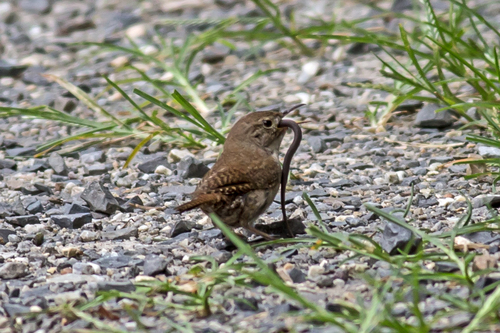 Northern House Wren
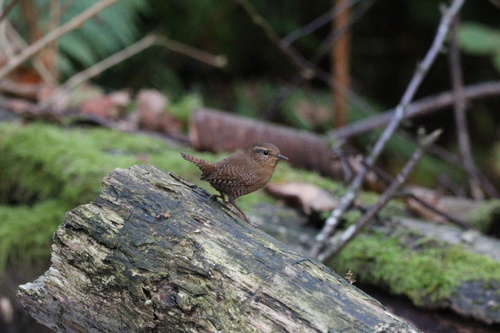 Pacific Wren
In breve
Il segno di campo più affidabile tra Northern House Wren e Pacific Wren è il tono generale del piumaggio e le barre: Pacific Wren è un uccello di un marrone ruggine più ricco e uniformemente colorato con barre estese e nitide sopra e sotto, mentre Northern House Wren è più chiaro e variabile, con barre meno distinte e spesso parti inferiori più chiare. Entrambi sono piccoli, attivi wren con code sollevate e struttura simile, ma Pacific Wren predilige foreste conifere dense e si esprime con un canto più lungo e più esuberante, mentre Northern House Wren è più probabile trovarlo in aree aperte o suburbane. I piumaggi giovanili e immaturi sono leggermente diversi, ma le barre e il colore generale rimangono utili. La struttura e il comportamento sono simili, quindi prestare attenzione al piumaggio e all'habitat è fondamentale.
Consigli di identificazione
- Overall color: Pacific Wren è un marrone ruggine caldo e ricco sopra e sotto, mentre Northern House Wren è più chiaro, grigiastro o più buffo, specialmente sotto. Questo è visibile in tutte le età, ma soprattutto negli adulti.
- Barring: Pacific Wren mostra barre pesanti e nitide su ali, coda e fianchi, anche sotto; House Wren ha barre su ali e coda, ma fianchi e parti inferiori sono spesso meno distintamente barrati o addirittura uniformi.
- Juvenile/immature plumage: I giovanili di Pacific Wren sono meno barrati degli adulti ma mostrano ancora un marrone più ricco nel complesso; i giovanili di House Wren possono essere molto chiari o grigi sotto, con barre deboli.
- Bill color: House Wren ha un becco lungo e sottile con una mandibola superiore nerastra e una mandibola inferiore chiara (giallastra o grigia) con punta nera; il becco di Pacific Wren è uniformemente marrone scuro. Questo è sottile ma può aiutare a distanza ravvicinata.
- Underpart color: Le parti inferiori di House Wren possono essere marroni, buffe, grigie chiare o bianche, spesso molto più chiare di Pacific Wren, che è costantemente marrone ricco sotto.
- Habitat: In foreste dense, muschiose e conifere, ci si aspetta Pacific Wren; in boschi aperti, giardini o aree suburbane, House Wren è molto più probabile.
- Song: Il canto di Pacific Wren è più lungo, più esuberante e continuo; quello di House Wren è più corto e meno complesso. Usare questo solo durante la stagione di riproduzione.
- Eye-ring and eyebrow: Entrambi hanno anelli oculari e sopracciglia deboli; questi non sono affidabili per la separazione.
- Tail posture: Entrambe le specie sollevano le code, quindi questo non è utile per la separazione.
- Flight style: Entrambi hanno voli brevi e fruscianti con ali arrotondate; non è un separatore.
- Leg color: Le gambe di House Wren sono rosate o grigie; quelle di Pacific Wren sono marroni chiare. Questo è sottile e raramente diagnostico.
- Subspecies variation: House Wren varia notevolmente nella sua area, quindi considera sempre il contesto locale e confronta con gli uccelli locali noti.
- Context: Se trovi un wren in una cassetta nido o vicino a edifici, è quasi certamente House Wren; Pacific Wren evita tali ambienti.
- Season: Entrambe le specie sono più vocali durante la stagione di riproduzione; in inverno, Pacific Wren può riposare comunalmente in cavità, ma questo non è unico.
- Pitfalls: Fai attenzione ai House Wren più opachi a ovest, che possono apparire più scuri e più rugginosi, avvicinandosi ai toni di Pacific Wren; in questi casi, fai affidamento sulle barre e sull'habitat.
Taglia
Entrambe le specie sono wren estremamente piccoli, e la loro massa corporea è quasi identica (Northern House Wren: 11.5 g [wikidata]). La lunghezza e l'apertura alare sono anche molto vicine, con Northern House Wren lungo 11–13 cm e un'apertura alare di 15 cm. Non è fornita alcuna massa o misura diretta per Pacific Wren, ma non è apprezzabilmente più grande o più piccolo sul campo. La dimensione non è un separatore affidabile tra questi due.
Piumaggio
-
Juvenile/immature plumage: I giovanili di Pacific Wren sono meno distintamente barrati degli adulti, ma mostrano ancora un tono generalmente ricco di marrone ruggine sopra e sotto. I giovanili e immaturi di Northern House Wren sono variabili, ma tendono verso un marrone più opaco, grigiastro o più chiaro sopra, con parti inferiori che possono essere marroni, buffe, grigie chiare o addirittura bianche. Entrambi hanno alcune barre su ali e coda, ma le barre di Pacific Wren sono più estese e nitide, specialmente sui fianchi e sulle parti inferiori, mentre quelle di House Wren sono più limitate e talvolta deboli.
-
Adult plumage: Pacific Wren è marrone ruggine sopra e sotto, con barre pesanti e uniformi su ali, coda e fianchi, e un becco marrone scuro. Northern House Wren è più variabile: le parti superiori possono essere di un grigio-marrone opaco a un marrone ruggine ricco, le parti inferiori sono spesso più chiare (a volte quasi bianche), e le barre sono presenti su ali e coda ma meno estese sui fianchi. Entrambi mostrano un debole anello oculare e sopracciglia, ma questi non sono segni di campo forti. Il becco di House Wren è lungo e sottile, con una mandibola superiore nerastra e una mandibola inferiore più chiara con punta nera; il becco di Pacific Wren è marrone scuro in tutto.
Comportamento
Entrambe le specie sono irrequiete, strisciano e scalano attraverso la vegetazione bassa e i rovi, spesso con le code sollevate. Pacific Wren è descritto come incessantemente in movimento, con voli brevi e diretti e ali arrotondate e fruscianti. House Wren è altrettanto attivo e vivace, specialmente in ambienti suburbani. In volo, entrambe appaiono piccole e rotonde con code corte, e nessuna mostra una forte differenza nel modello di volo nelle note. Entrambi possono riposare in cavità o vecchi nidi, specialmente in inverno.
Habitat
Northern House Wren è comune in boschi aperti, cortili suburbani e giardini nel sud del Canada, negli USA e in Messico. Usa facilmente le cassette nido ed è spesso trovato intorno agli insediamenti umani. Pacific Wren, al contrario, è fortemente legato a foreste conifere dense, specialmente abeti e pini, e evita habitat aperti o suburbani. Nelle aree urbane, Pacific Wrens tende a spostarsi in foreste vicine piuttosto che rimanere in ambienti sviluppati. Se trovi un piccolo wren in una foresta densa, muschiosa e conifera, è molto più probabile che sia Pacific Wren; in un cortile suburbano o in un bosco aperto, House Wren è la norma.
Voce
Entrambe le specie sono rinomate per i loro canti complessi e frizzanti, ma il canto di Pacific Wren è più lungo, più esuberante e intricato, spesso descritto come una cascata continua. Il canto di House Wren è ricco e frizzante ma tipicamente più corto e meno elaborato. Il canto è più utile durante la stagione di riproduzione, poiché House Wren canta meno al di fuori di questo periodo. Entrambe le specie hanno canti variabili, ma quello di Pacific Wren è particolarmente complesso e può essere adattato in ambienti rumorosi.
Northern House Wren · Pacific Wren · I miei uccelli difficili