

Northern Giant-Petrel vs Southern Fulmar
Macronectes halli contro Fulmarus glacialoides
Fai un quiz con Northern Giant-Petrel e Southern Fulmar
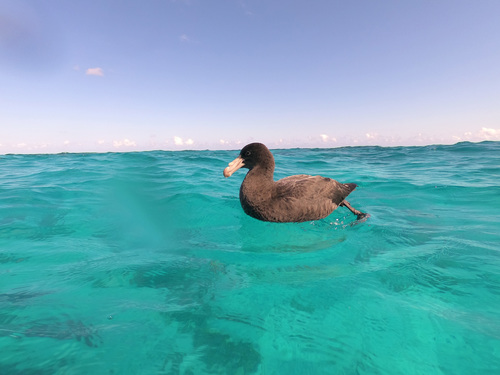 Northern Giant-Petrel
 Southern Fulmar
In breve
Il segno distintivo più affidabile tra Northern Giant-Petrel e Southern Fulmar è la dimensione e la massa complessive: il giant-petrel è enormemente più grande e pesante, con un becco massiccio, lungo e ricurvo, mentre il fulmar è un uccello marino molto più piccolo e robusto con un becco corto e tozzo. In volo, il Southern Fulmar mostra parti superiori di un grigio argenteo pallido con una distintiva macchia bianca sulle ali e un bordo scuro, mentre il Northern Giant-Petrel è uniformemente marrone scuro da giovane e più maculato grigio-marrone da adulto, privo di qualsiasi macchia bianca sulle ali. Anche il colore del becco è diagnostico a distanza ravvicinata: il Northern Giant-Petrel ha un becco giallo-rosato con una punta marrone, mentre il becco del Southern Fulmar è rosa con una punta nera e naricorns bluastre. Queste differenze sono visibili anche da lontano con i binocoli, specialmente se si vedono entrambi appollaiati e in volo.
Consigli di identificazione
- La dimensione è l'indizio più immediato: il Northern Giant-Petrel è enorme—quasi il doppio della lunghezza e diverse volte la massa del Southern Fulmar. Se vedi un uccello che sembra 'delle dimensioni di un albatros', è il petrel; se è più delle dimensioni di un gabbiano, è il fulmar.
- Struttura del becco: il Giant-Petrel ha un becco massiccio, lungo e ricurvo (90–110 mm), molto più lungo e pesante del becco corto e tozzo del fulmar (circa 44 mm). Questo è visibile anche da lontano se l'uccello è vicino all'osservatore o ad altre specie per scala.
- Colore del becco: il Northern Giant-Petrel ha un becco giallo-rosato con una punta marrone; il becco del Southern Fulmar è rosa con una punta nera e naricorns bluastre. Questo è meglio visto a distanza ravvicinata o in buona luce.
- Piumaggio giovanile: i giovani Northern Giant-Petrels sono completamente marroni scuri, privi di qualsiasi pallido o bianco nelle ali o nel corpo. I giovani Southern Fulmar sono già grigi pallidi sopra e bianchi sotto, con la macchia bianca sulle ali presente.
- Piumaggio adulto: l'adulto Northern Giant-Petrel è maculato grigio-marrone con un volto e un mento più chiari, ma non mostra mai una macchia bianca sulle ali o parti superiori argentate. Gli adulti Southern Fulmar sono grigi argentati pallidi sopra, bianchi sotto, con una testa bianca e una distintiva macchia bianca sulle ali bordata da un bordo scuro e punte nerastre.
- Schema delle ali in volo: il Southern Fulmar mostra un forte contrasto tra la macchia bianca sulle ali e il bordo scuro e le punte. Il Northern Giant-Petrel è uniformemente scuro (giovanile) o maculato (adulto) senza tale contrasto.
- Stile di volo: il Giant-Petrel vola con battiti d'ali pesanti e profondi e lunghe, potenti planate, spesso apparendo goffo. Il Fulmar è più galleggiante, con battiti d'ali rigidi e superficiali e lunghe planate, spesso mantenendo le ali piatte e scandagliando la superficie.
- Comportamento alimentare: se osservato mentre si nutre, il Northern Giant-Petrel è spesso su carcasse o a scovare dai navi, a volte spostando aggressivamente altri uccelli. Il Southern Fulmar è più probabile che venga visto mentre prende piccole prede dalla superficie o si nutre in gruppi.
- Contesto dell'habitat: i Giant-Petrels si trovano spesso vicino a colonie di pinguini o foche o seguendo navi per rifiuti; i fulmars sono più probabili in acque aperte o a nidificare su scogliere.
- Colore delle gambe: il Southern Fulmar ha gambe e piedi blu pallido, che possono essere visibili quando è appollaiato o sull'acqua. Il colore delle gambe del Giant-Petrel non è diagnostico nel campo.
- Abbondanza relativa: entrambe le specie possono essere localmente comuni, ma controlla eBird per l'abbondanza locale se hai dubbi; in alcune aree, una può superare di gran lunga l'altra.
- Voce: utile solo nelle colonie—il Southern Fulmar è rumoroso e chiacchierone, mentre il Giant-Petrel è generalmente silenzioso.
- Effetti di sesso e età: le femmine di Northern Giant-Petrels sono più piccole dei maschi ma comunque molto più grandi di qualsiasi fulmar. Le differenze nel becco e nel piumaggio si mantengono attraverso i sessi e le età.
- Trappole: non confondere un fulmar scuro e distante con un giovanile giant-petrel; controlla la dimensione, il becco e lo schema delle ali. In scarsa luce, la macchia bianca sulle ali del fulmar può essere meno ovvia, ma le differenze di dimensione e becco rimangono chiare.
- Quando hai dubbi: se non riesci a giudicare la dimensione, cerca la macchia bianca sulle ali (fulmar) rispetto al marrone uniforme o maculato (giant-petrel), e controlla la lunghezza e il colore del becco se possibile.
Taglia
Il Northern Giant-Petrel è un vero gigante tra gli uccelli marini, con una massa corporea media di circa 4185 g (con alcuni maschi che superano i 4900 g), e misura 80–95 cm di lunghezza con un'apertura alare di 150–210 cm. Al contrario, il Southern Fulmar è molto più piccolo e leggero, con una media di 795 g (maschi) e 740 g (femmine), con una lunghezza di 45–50 cm e un'apertura alare di 110–120 cm. La differenza è drammatica: un Northern Giant-Petrel sovrasta un Southern Fulmar sia in acqua che in aria, apparendo quasi il doppio della lunghezza e diverse volte più pesante.
Piumaggio
Il giovanile Northern Giant-Petrel è completamente marrone scuro, schiarendosi gradualmente con l'età fino a un piumaggio adulto maculato grigio-marrone con una fronte, lati del volto e mento più chiari. Non c'è bianco nel piumaggio delle ali o del corpo a qualsiasi età. Al contrario, il Southern Fulmar di tutte le età è molto più chiaro: gli adulti sono grigi argentati pallidi sopra e bianchi sotto, con una testa bianca e una corona grigia pallida. Le ali sono larghe e arrotondate, mostrando una distintiva macchia bianca alla base delle primarie e un bordo scuro, con punte nerastre. I giovanili fulmars (primo anno) hanno un becco più snello ma mantengono le parti superiori pallide e la macchia bianca sulle ali. Queste differenze nel modello delle ali sono più evidenti in volo, specialmente quando viste dall'alto o da lontano. Anche il colore del becco differisce: il becco del Northern Giant-Petrel è giallo-rosato con una punta marrone, mentre quello del Southern Fulmar è rosa con una punta nera e naricorns bluastre.
Comportamento
Il Northern Giant-Petrel è aggressivo e spesso visto nutrirsi di carcasse, inclusi pinguini e foche morte, e ucciderà anche altri uccelli marini. Segue frequentemente le navi e scova rifiuti. Il suo volo è potente e diretto, con lunghe planate pesanti e battiti d'ali profondi, adatti alla sua dimensione. Il Southern Fulmar è più galleggiante e agile in volo, con una miscela di battiti superficiali e lunghe planate con ali rigide, spesso scandagliando l'acqua sottostante. I fulmars sono meno probabili da vedere mentre si nutrono di grandi carcasse e sono più spesso osservati mentre prendono krill, pesce o calamari dalla superficie. Nelle colonie, i fulmars sono rumorosi e sociali, mentre i giant-petrels sono più solitari e dominanti.
Habitat
Entrambe le specie si trovano nell'Oceano Australe, ma il Northern Giant-Petrel tende a trovarsi leggermente più a nord rispetto al Ossifraga, con una vasta sovrapposizione di aree con il Southern Fulmar. I fulmars nidificano su scogliere antartiche e subantartiche, spesso in grandi colonie, e sono più probabili da vedere in acque aperte lontano dalla terra al di fuori della stagione di nidificazione. Il Northern Giant-Petrel nidifica su isole subantartiche ed è spesso visto vicino a colonie di pinguini o foche, specialmente dove sono disponibili carcasse. Entrambi possono essere visti dalle navi, ma il giant-petrel è più probabile che si avvicini per scovare.
Voce
Il Southern Fulmar è solitamente silenzioso in mare ma può essere molto vocale nelle colonie o nei gruppi alimentari, producendo forti richiami chiacchieroni, un ronzio morbido e grugniti gutturali. Il Northern Giant-Petrel non è descritto come particolarmente vocale nelle fonti fornite, e la voce non è un segno distintivo affidabile per la separazione in mare.
Northern Giant-Petrel · Southern Fulmar · I miei uccelli difficili