
Pispola vs Prispolone
Anthus pratensis contro Anthus trivialis
Fai un quiz con Pispola e Prispolone
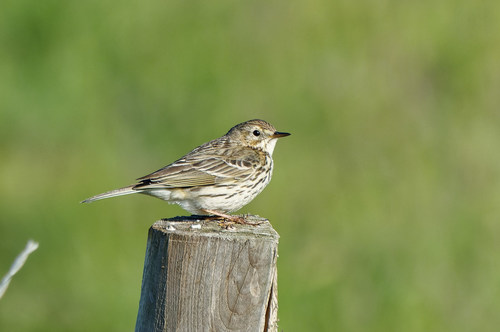 Pispola
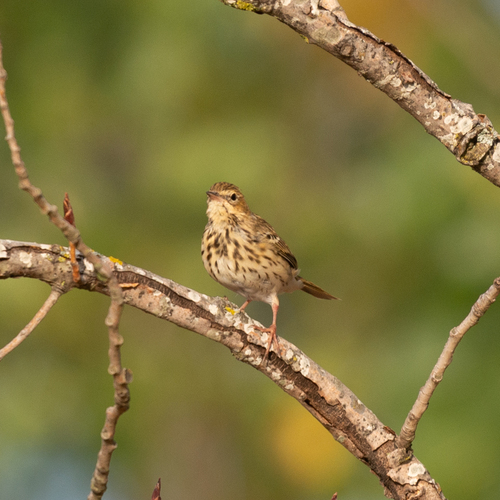 Prispolone
In breve
Il segno di campo più affidabile per separare la Pispola dal Prispolone è la combinazione di struttura e piumaggio: la Pispola ha un artiglio posteriore visibilmente più lungo e un becco più sottile, mentre il Prispolone mostra un becco più pesante e un artiglio posteriore molto più corto. Nel piumaggio, il Prispolone ha un contrasto più audace tra il suo petto color crema e il ventre bianco, e le sue parti superiori sono meno striate rispetto alla Pispola. Il Prispolone è più probabile da vedere posato sugli alberi, mentre la Pispola tipicamente rimane a terra o nella vegetazione bassa. Anche i loro richiami e voli canori sono notevolmente diversi, con il Prispolone che emette un forte richiamo 'spek' e un volo canoro a forma di paracadute, mentre il richiamo della Pispola è un debole 'tsi-tsi' e il suo volo canoro è più semplice e ripetitivo.
Consigli di identificazione
- Lunghezza dell'artiglio posteriore: la Pispola ha un artiglio posteriore molto lungo, spesso più lungo del dito posteriore stesso; quello del Prispolone è molto più corto. Questo è un segno di campo chiave quando le gambe sono visibili, specialmente sugli uccelli posati.
- Struttura del becco: il Prispolone ha un becco visibilmente più pesante e più largo, mentre il becco della Pispola è più fine e delicato. Questo è sottile ma utile con buone viste.
- Contrasto tra petto e ventre: il Prispolone mostra un forte contrasto tra un petto color crema (con striature nere) e un ventre molto più bianco. La Pispola è color crema sotto con striature che si estendono più in basso sui fianchi, quindi il contrasto è meno marcato.
- Striature delle parti superiori: la Pispola è più striata sopra, dando un aspetto generalmente più maculato. Il Prispolone è meno striato e può apparire più semplice sulla schiena.
- Marcature facciali: il Prispolone ha marcature facciali più forti, inclusa una supercilium (sopracciglio) più evidente e una striscia malare più definita. Il volto della Pispola è più semplice.
- Colore delle gambe: entrambe le specie hanno gambe chiare, ma quelle della Pispola sono spesso descritte come giallo-rosate, il che può aiutare in buona luce.
- Schema della coda: entrambe hanno code marroni con bordi bianchi, ma questo non è un forte separatore tra le due.
- Comportamento di posarsi: il Prispolone si posa frequentemente sugli alberi o sui fili, specialmente quando canta. La Pispola quasi sempre rimane a terra o nella vegetazione bassa.
- Volo canoro: il volo canoro del Prispolone è distintivo: si alza da un albero, poi scende a paracadute con le ali tenute rigide, il canto si allunga alla fine. Il volo canoro della Pispola è più corto, più fluttuante, e il canto accelera verso la fine.
- Richiamo: Ascolta la differenza: il richiamo della Pispola è un debole 'tsi-tsi', mentre quello del Prispolone è un forte e acuto 'spek'.
- Habitat: ai margini del bosco, nelle radure o in aree con alberi sparsi, sospetta il Prispolone; in torbiere aperte, praterie o paludi costiere, la Pispola è molto più probabile.
- Dimensioni e aspetto: il Prispolone è leggermente più grande e più robusto, ma questo è sottile. La Pispola è più delicata e spesso appare più nervosa e fluttuante nei movimenti.
- Contesto stagionale: entrambe le specie sono migratori, ma il Prispolone è un migratore a lungo raggio che sverna in Africa e Asia meridionale, mentre la Pispola sverna in Europa meridionale, Nord Africa e Asia sud-occidentale, con alcuni residenti in Europa occidentale. Il tempismo e la posizione possono aiutare, specialmente al di fuori della stagione riproduttiva.
- Trappole: Gli uccelli giovanili e di primo inverno non mostrano schemi distintivi delle ali per separare i due; fai affidamento sulla struttura e sul piumaggio generale. Fai attenzione alla variazione locale: le Pispole nella Scozia occidentale e in Irlanda possono essere più scure del solito, ma mostrano comunque l'artiglio posteriore lungo e il becco più fine.
- Quando hai dubbi: Se non riesci a vedere bene l'artiglio posteriore o il becco, usa una combinazione di habitat, comportamento di posarsi e il contrasto tra petto e ventre per fare la tua migliore ipotesi.
Taglia
Il Prispolone è leggermente più grande e pesante della Pispola, con una massa corporea media di 23,5 g rispetto all'intervallo tipico della Pispola di 15–22 g [wikidata]. Sul campo, questa differenza è sottile e spesso difficile da giudicare a meno che entrambe le specie non siano affiancate. Entrambi sono pipiti piccoli e snelli, ma il Prispolone può apparire un po' più robusto, specialmente nella testa e nel becco.
Piumaggio
Non ci sono schemi distintivi delle ali per uccelli giovanili o di primo inverno descritti per entrambe le specie nelle fonti, quindi la separazione si basa sul piumaggio generale e sulla struttura a tutte le età. La Pispola è marrone sopra e color crema sotto, con striature dense e scure sul petto e sui fianchi, e una coda marrone bordata di bianco. Il Prispolone è anch'esso marrone sopra ma con striature meno pesanti, e le striature sulle parti inferiori sono più confinate al petto color crema, che contrasta nettamente con un ventre molto più bianco. Il becco del Prispolone è più pesante e il volto mostra marcature più forti. L'artiglio posteriore è una caratteristica strutturale chiave del piumaggio: quello della Pispola è visibilmente lungo, mentre quello del Prispolone è molto più corto. Queste differenze sono presenti in tutti i piumaggi, anche se il contrasto tra petto e ventre è più evidente negli adulti freschi.
Comportamento
Il Prispolone è molto più probabile da posarsi su alberi, fili o arbusti alti, spesso cantando da un posatoio elevato e lanciandosi nel suo caratteristico volo canoro a forma di paracadute. La Pispola è tipicamente vista a terra o bassa nell'erba, raramente posandosi in alto. In volo, l'aspetto della Pispola è più fluttuante e meno diretto, mentre il volo del Prispolone è più forte e più deciso. Entrambe le specie eseguono voli canori, ma quello del Prispolone è più elaborato, alzandosi da un albero e scendendo a paracadute con le ali tenute rigide.
Habitat
La Pispola preferisce il paese aperto: praterie, torbiere e paludi costiere, e raramente si trova in aree boschive. Il Prispolone, come suggerisce il nome, favorisce habitat con un componente boschivo: boschi aperti, margini delle foreste, radure con alberi sparsi o brughiere con un po' di copertura arborea. Se vedi un pipit in un albero o cantando da un posatoio alto ai margini di un bosco, è molto più probabile che sia un Prispolone; in torbiere aperte o praterie, la Pispola domina.
Voce
I richiami sono abbastanza distintivi: la Pispola emette un debole e acuto 'tsi-tsi', mentre il richiamo del Prispolone è molto più forte e acuto 'spek'. Anche i loro canti differiscono: il canto della Pispola è una serie semplice e ripetitiva che accelera verso la fine, solitamente eseguito in un breve volo canoro fluttuante. Il canto del Prispolone è più elaborato, si allunga verso la fine, e viene eseguito durante una discesa a paracadute da un albero o da un posatoio alto.