

Pispola vs Spioncello marino
Anthus pratensis contro Anthus petrosus
Fai un quiz con Pispola e Spioncello marino
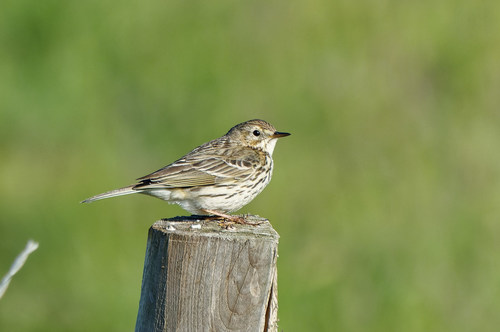 Pispola
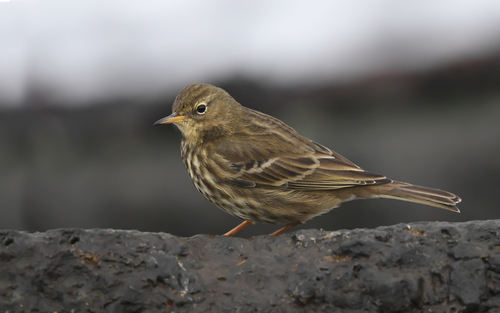 Spioncello marino
In breve
Il segno distintivo più affidabile tra Pispola e Spioncello marino è il colore e la definizione delle penne della coda esterne in volo: Pispola mostra bordi bianchi stretti e netti, mentre Spioncello marino ha penne della coda esterne scure o grigie. Gli uccelli giovanili e invernali sono particolarmente difficili, ma Spioncello marino è sempre più robusto, più scuro e ha zampe scure rispetto alle zampe rosate della Pispola. L'habitat è anche un forte indizio: Pispola si trova in campi aperti e brughiere, mentre Spioncello marino si attiene alle coste rocciose. La struttura e il colore delle zampe, insieme al modello della coda, sono le tue migliori scommesse quando il piumaggio è ambiguo.
Consigli di identificazione
- Modello della coda in volo: Pispola mostra bordi esterni della coda bianchi stretti e netti; le penne della coda dello Spioncello marino sono scure o grigie con poco o nessun bianco. Questo è il segno distintivo più affidabile per tutte le età e stagioni.
- Colore delle zampe: Pispola ha zampe rosa pallido o giallastre; Spioncello marino ha zampe marroni scure o nere. Il colore delle zampe è visibile sugli uccelli in posato e è particolarmente utile quando la coda è oscurata.
- Colorazione generale: Pispola è più chiara sopra e sotto, con parti inferiori color sabbia e striature più fini e definite. Spioncello marino è più scuro, con parti superiori color oliva affumicata e striature più pesanti e sfocate sotto. Questo è più utile in buona luce e a distanza ravvicinata.
- Dimensioni e struttura: Spioncello marino è più robusto, più lungo e più pesante, con una struttura più robusta e ali più lunghe. Pispola è più piccola, più snella e più delicata, con un becco più fine. Usa questo quando entrambe le specie sono presenti per un confronto diretto.
- Marcature facciali: Entrambe le specie hanno marcature facciali deboli, ma Pispola può mostrare un supercilio leggermente più forte. Questo è sottile e inaffidabile, specialmente in inverno o per gli immaturi.
- Anello oculare: Spioncello marino ha un anello oculare pallido, ma questo non è sempre ovvio sul campo e non dovrebbe essere usato da solo.
- Habitat: Se l'uccello è su una costa rocciosa, specialmente tra massi o alghe, è quasi certamente uno Spioncello marino. In campi aperti, brughiere o prati, Pispola è la norma.
- Canto e richiami: Il canto della Pispola è una semplice serie ripetitiva che accelera alla fine; il canto dello Spioncello marino è più complesso, con note tintinnanti e un trill. I richiami sono leggermente diversi ma richiedono esperienza per essere separati.
- Confusione giovanile: Gli Spioncelli marini giovanili possono apparire più marroni e più striati sopra, somigliando superficialmente alla Pispola, ma mancano ancora dei bordi bianchi netti della coda della Pispola e hanno zampe scure.
- Modello delle ali: Nessuna delle due specie mostra forti pannelli alari o segni contrastanti sulle ali superiori in nessuna età, quindi fai affidamento sul colore della coda e delle zampe per la separazione.
- Volo di esibizione: Il volo di canto della Pispola è breve e ripetitivo; l'esibizione dello Spioncello marino è una discesa più alta e paracadutistica. Questo è utile solo durante la stagione riproduttiva.
- Colore e forma del becco: Pispola ha un becco sottile e fine; il becco dello Spioncello marino è leggermente più pesante e scuro, ma questa è una differenza sottile che è meglio utilizzare in combinazione con altri segni.
- Dimensione del gruppo: Pispola è più probabile che venga vista in gruppi al di fuori della stagione riproduttiva; Spioncello marino è solitamente solitario o in coppie.
- Contesto stagionale: In inverno, entrambe le specie possono apparire più spente, ma l'habitat e il modello della coda rimangono affidabili. Fai attenzione con le sottospecie di Spioncello marino (littoralis) in primavera, poiché possono mostrare parti inferiori rosate e un supercilio pallido, ma il colore della coda e delle zampe li separa ancora dalla Pispola.
- Trappole: Non fare affidamento solo sulle striature; entrambe le specie sono striate, ma la qualità e la definizione differiscono. Controlla sempre il modello della coda e il colore delle zampe prima di fare una chiamata.
Taglia
Spioncello marino è notevolmente più grande e pesante della Pispola. Spioncello marino misura 16.5–17 cm di lunghezza e pesa 18–32.5 g, mentre Pispola è più piccola a 14.5–15 cm e 15–22 g. Sul campo, lo Spioncello marino appare spesso più robusto e con ali più lunghe, con una struttura più pesante e robusta. Pispola appare più delicata e snella, con un becco più fine e un'impressione generale più leggera.
Piumaggio
Per tutte le età, il segno di piumaggio più diagnostico è la coda: Pispola ha bordi esterni della coda bianchi stretti e netti (visibili in volo e a volte quando è in posato), mentre le penne della coda dello Spioncello marino sono scure o grigie, senza bianco evidente. Gli Spioncelli marini giovanili e di primo inverno possono apparire più marroni e più striati sopra, a volte somigliando alla Pispola, ma mancano ancora dei bordi bianchi netti della coda della Pispola. Pispola è generalmente più chiara e più color sabbia sotto, con striature più fini e definite, mentre Spioncello marino è più scuro, con parti superiori color oliva affumicata e striature più pesanti e sfocate sotto. Spioncello marino ha anche un anello oculare pallido e zampe scure, mentre Pispola mostra zampe rosate o giallastre. Differenze sottili nelle marcature facciali sono inaffidabili sul campo, specialmente in inverno o per gli immaturi.
Comportamento
Entrambe le specie camminano e si nutrono a terra, ma lo Spioncello marino è altamente territoriale tutto l'anno e spesso viene visto da solo o in coppie sulle coste rocciose. Pispola è più probabile che venga vista in gruppi sciolti, specialmente al di fuori della stagione riproduttiva, e frequentemente esegue voli di canto fluttuanti su campi aperti. Il volo di esibizione dello Spioncello marino è una breve discesa paracadutistica da un'altezza moderata (15–30 m), mentre il volo di canto della Pispola è più breve e ripetitivo.
Habitat
L'habitat è un forte separatore: Pispola si trova in campi aperti, praterie, brughiere e campi, raramente avventurandosi in aree costiere rocciose. Spioncello marino è quasi esclusivamente costiero, nidificando e nutrendosi su coste rocciose, moli e rocce coperte di alghe. Se vedi un pipit nell'entroterra o in campi aperti, è quasi certamente una Pispola; su una costa rocciosa, specialmente tra massi o alghe, lo Spioncello marino è la norma.
Voce
Pispola emette un debole richiamo 'tsi-tsi' e un canto semplice e ripetitivo che accelera verso la fine. Il richiamo in volo dello Spioncello marino è un acuto 'pseep', intermedio nel tono tra Pispola e Spioncello. Il suo canto è più complesso: una serie di note tintinnanti 'cheepa', seguite da richiami 'gee' in aumento e termina con un breve trill. In pratica, i richiami possono essere difficili da separare a meno che tu non sia familiare con entrambe le specie.