

Tuffetto vs Svasso collorosso
Tachybaptus ruficollis contro Podiceps grisegena
Fai un quiz con Tuffetto e Svasso collorosso
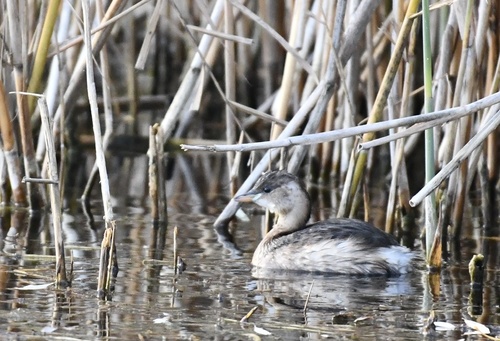 Tuffetto
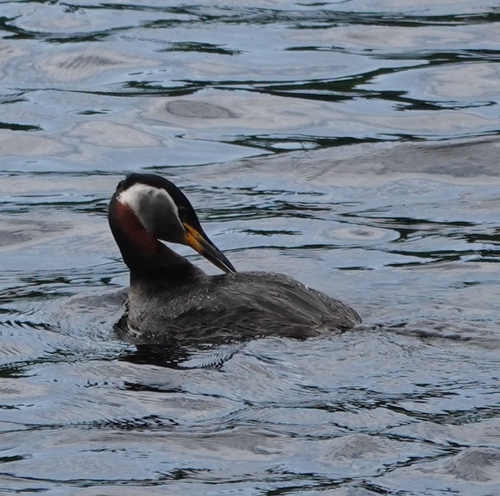 Svasso collorosso
In breve
Il modo più affidabile per separare il Tuffetto dallo Svasso collorosso è per dimensione e struttura: il Tuffetto è un uccello piccolo e compatto con un becco corto e appuntito e un posteriore distintamente 'soffice', mentre lo Svasso collorosso è molto più grande, con un collo lungo e un becco più pesante e lungo. In volo, lo Svasso collorosso mostra una silhouette allungata con piedi penzolanti e ali piccole, mentre il Tuffetto appare con collo corto e arrotondato. I giovani Tuffetti hanno un becco giallo e strisce facciali bianche e nere, mentre i giovani Svassi collorossi mostrano un volto striato, collo rosso pallido e un giallo più esteso sul becco. In inverno, entrambe le specie diventano più spente, ma il Tuffetto rimane molto più piccolo e compatto, con un aspetto bruno e un cappuccio scuro, mentre lo Svasso collorosso è grigio scuro con un cappuccio meno definito e un crescente pallido dietro il volto.
Consigli di identificazione
- La dimensione è il primo controllo: Se l'uccello è piccolo e compatto, è un Tuffetto. Se è grande e simile a un'oca, è uno Svasso collorosso. Questo funziona in tutte le età e stagioni.
- Forma e lunghezza del becco: Il Tuffetto ha un becco corto e appuntito; lo Svasso collorosso ha un becco lungo e pesante. Nei giovani, il becco del Tuffetto è giallo con una punta nera, mentre il becco del giovane Svasso collorosso è più lungo e più giallo.
- Lunghezza del collo: Il Tuffetto ha un collo molto corto, quasi nessun collo visibile quando nuota. Lo Svasso collorosso ha un collo lungo e spesso, particolarmente evidente quando è all'erta o in volo.
- Forma del posteriore: Il Tuffetto mostra un posteriore distintivo 'soffice' - molto arrotondato e soffice. Lo Svasso collorosso ha un posteriore più affusolato.
- Schema facciale giovanile: Il giovane Tuffetto ha strisce bianche e nere sulle guance e sui lati del collo; i giovani Svassi collorossi hanno un volto striato, collo rosso pallido e un cappuccio nero diffuso.
- Piumaggio di riproduzione degli adulti: Il Tuffetto è di un rosso ricco sul collo, guance e fianchi con una bocca gialla; lo Svasso collorosso ha un collo rosso con un cappuccio nero e un volto grigio chiaro.
- Piumaggio invernale degli adulti: Il Tuffetto diventa bruno con un cappuccio scuro e un aspetto compatto; lo Svasso collorosso è grigio scuro, con un crescente pallido dietro il volto e un cappuccio meno definito.
- Silhouette in volo: Lo Svasso collorosso vola con collo e piedi estesi, piccole ali che battono rapidamente, e appare allungato. Il Tuffetto è compatto e con collo corto in volo.
- Contesto dell'habitat: In piccoli stagni vegetati, aspettati il Tuffetto. In grandi laghi o acque costiere, specialmente in inverno, è più probabile trovare lo Svasso collorosso.
- Vocalizzazioni: Il Tuffetto emette un richiamo trillato e nitrito; lo Svasso collorosso emette un forte 'uooooh' lamentoso e una varietà di altri richiami durante la stagione di riproduzione.
- Comportamento sull'acqua: Il Tuffetto è veloce a tuffarsi e spesso scompare al primo segno di disturbo. Lo Svasso collorosso è anche un tuffatore ma può essere visto nuotare con il collo lungo esteso.
- Comportamento di decollo: Lo Svasso collorosso ha bisogno di una lunga corsa sull'acqua per decollare a causa delle piccole ali; il Tuffetto può decollare più rapidamente.
- Colore del becco nei giovani: Cerca un becco giallo con una punta nera nel giovane Tuffetto; un giallo più esteso e un becco più lungo nel giovane Svasso collorosso.
- Contrasto facciale in inverno: Lo Svasso collorosso mostra un crescente pallido dietro il volto; il Tuffetto ha un volto meno contrastante e più scuro.
- Variazione delle sottospecie: Le sottospecie di Tuffetto possono mostrare quantità variabili di bianco nell'ala (non dettagliato qui), ma questo non è un segno principale per separare dallo Svasso collorosso.
Taglia
La dimensione è un separatore importante: lo Svasso collorosso è un grande svasso, con una massa media adulta di circa 829 g [wikidata], rendendolo diverse volte più pesante del piccolo Tuffetto (di cui non è fornita una massa qui, ma è ben noto come il più piccolo svasso europeo). Sul campo, il Tuffetto non appare più grande di un piccolo anatroccolo, mentre lo Svasso collorosso è più vicino in dimensione a un Germano reale o a uno Svasso maggiore eurasiatico. Questa differenza di dimensione è ovvia anche da lontano ed è un segno chiave sul campo.
Piumaggio
-
Giovani/immaturi: I giovani Tuffetti hanno un becco giallo con una punta nera e distintive strisce bianche e nere sulle guance e sui lati del collo. Con l'età, il becco scurisce. I giovani Svassi collorossi hanno un volto striato, un cappuccio nero diffuso, un collo rosso pallido e un giallo esteso sul becco. I pulcini di entrambe le specie sono striati, ma i giovani Svassi collorossi mostrano striature facciali più estese e un collo rosso pallido, mentre i giovani Tuffetti sono più bruni e compatti.
-
Adulti (riproduzione): L'adulto Tuffetto in piumaggio di riproduzione è scuro sopra con un rosso ricco sul collo, guance e fianchi, e una bocca gialla brillante. Lo Svasso collorosso in piumaggio di riproduzione ha un collo rosso sorprendente, un cappuccio nero e un volto grigio chiaro. Entrambi sono inconfondibili nei loro colori di riproduzione completi, ma lo Svasso collorosso è molto più grande con un collo e un becco più lunghi.
-
Adulti (non riproduzione/inverno): Il Tuffetto diventa grigio-bruno con un cappuccio scuro e parti inferiori brune, mantenendo un aspetto compatto e rotondo e un posteriore 'soffice'. Lo Svasso collorosso diventa grigio scuro, con un cappuccio meno distinto che si fonde nel volto, un crescente pallido dietro il volto e un collo anteriore biancastro o grigio chiaro. Il giallo del becco è meno evidente in inverno per entrambe le specie, ma il becco dello Svasso collorosso rimane più lungo e pesante.
Comportamento
Entrambe le specie sono esperti tuffatori e trascorrono la maggior parte del loro tempo sull'acqua, tuffandosi per cercare cibo. Il Tuffetto è particolarmente veloce a tuffarsi e spesso scompare al minimo disturbo, riemergendo a una certa distanza. Lo Svasso collorosso tuffa prontamente ma è più probabile che venga visto nuotare con il collo lungo esteso. In volo, lo Svasso collorosso appare allungato con collo e piedi estesi e battiti rapidi delle ali, mentre il Tuffetto è compatto e meno propenso a volare a meno che non venga disturbato. Lo Svasso collorosso ha bisogno di una lunga corsa sull'acqua per decollare a causa delle sue piccole ali, mentre il Tuffetto può decollare più rapidamente dalla superficie dell'acqua.
Habitat
Il Tuffetto si trova più spesso in piccoli stagni, laghi e fiumi a lento scorrimento, spesso con vegetazione densa. Lo Svasso collorosso nidifica in laghi più grandi, paludi e pescherie, e trascorre l'inverno principalmente in acque costiere appena oltre le onde o in grandi laghi interni. Se vedi uno svasso in un piccolo stagno vegetato, è molto più probabile che sia un Tuffetto; in un grande lago o in acque costiere, specialmente in inverno, è più probabile trovare uno Svasso collorosso.
Voce
Il richiamo di riproduzione del Tuffetto è un 'weet-weet-weet' o 'wee-wee-wee' ripetuto e trillato, che ricorda il nitrito di un cavallo. Lo Svasso collorosso è più vocale durante la stagione di riproduzione, con un forte richiamo lamentoso o ululante 'uooooh', spesso in duetti, e una varietà di richiami di quack, cluck, hiss, rattle e purr. Fuori dalla stagione di riproduzione, entrambe le specie sono per lo più silenziose. I richiami sono abbastanza diversi e, se ascoltati bene, sono diagnostici.