

Kermadec Petrel vs Soft-plumaged Petrel
Pterodroma neglecta contro Pterodroma mollis
Fai un quiz con Kermadec Petrel e Soft-plumaged Petrel
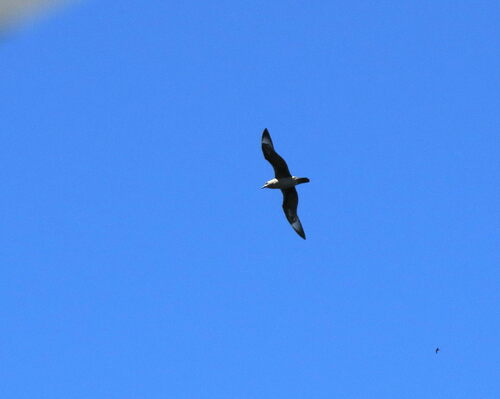 Kermadec Petrel
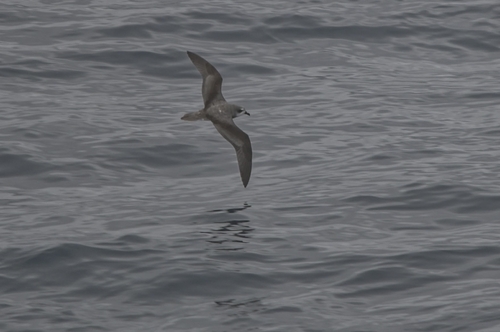 Soft-plumaged Petrel
In breve
Il segno di campo più affidabile tra Kermadec Petrel e Soft-plumaged Petrel è la struttura generale e il contrasto del piumaggio in volo: Kermadec Petrel è notevolmente più grande e massiccio, con piumaggio variabile (inclusi morfi completamente scuri), mentre Soft-plumaged Petrel è più snello, con un distintivo motivo grigio scuro e bianco, coda appuntita e ali strette. Soft-plumaged Petrel mostra un volto bianco sorprendente con una macchia scura attorno all'occhio e parti inferiori per lo più bianche, in contrasto con le ali inferiori più scure—caratteristiche non eguagliate da alcun morfo di Kermadec Petrel. Entrambe le specie possono mostrare morfi scuri, ma il polimorfismo di Kermadec è più esteso e può portare a confusione. Un'attenta attenzione a dimensioni, forma e motivo del volto è fondamentale, specialmente in volo.
Consigli di identificazione
- Size and bulk: Kermadec Petrel è molto più grande e pesante di Soft-plumaged Petrel; usa questo quando gli uccelli sono visti insieme o con specie conosciute per scala.
- Wing and tail shape: Soft-plumaged Petrel ha ali strette e una coda appuntita, particolarmente evidente in volo; Kermadec Petrel ha ali più larghe e meno appuntite.
- Face pattern: Soft-plumaged Petrel mostra un volto bianco sorprendente con una macchia scura attorno all'occhio e gola bianca, visibile anche da lontano; Kermadec Petrel (tutti i morfi) manca di questa combinazione.
- Underpart contrast: Soft-plumaged Petrel ha parti inferiori per lo più bianche con ali inferiori scure; le parti inferiori di Kermadec Petrel variano da completamente scure a chiare ma non mostrano mai lo stesso volto bianco nitido e il ventre con contrasto di ali inferiori scure.
- Polymorphism: Kermadec Petrel è altamente variabile (chiaro, scuro, intermedio), quindi fai attenzione ai morfi scuri; Soft-plumaged è meno variabile, e il suo morfo scuro di solito mantiene un po' di bianco sul volto o sulla gola.
- Bill: Il becco di Soft-plumaged Petrel è nero, 25–32 mm, con un gancio affilato; il becco di Kermadec è proporzionalmente più grande e pesante, ma questo è raramente diagnostico in mare.
- Legs: Soft-plumaged Petrel ha gambe rosa con nero sulle membrane esterne e sulle dita; questo è raramente visibile sul campo.
- Flight style: Kermadec Petrel vola con battiti d'ali più lenti e potenti; Soft-plumaged è più galleggiante e agile, con colpi più rapidi e un aspetto più simile a quello delle sterne.
- Tail in flight: La coda appuntita di Soft-plumaged Petrel è un buon segno di campo; la coda di Kermadec è meno appuntita.
- Plumage pitfalls: Il morfo scuro di Soft-plumaged può essere confuso con Kermadec intermedio, ma cerca il contrasto del volto e le dimensioni.
- Geographic context: Se vicino alle Isole Kermadec o a Lord Howe, considera Kermadec Petrel; nelle acque subantartiche, Soft-plumaged è più probabile.
- Vocalizations: Se senti gemiti di tono medio e squittii acuti, Soft-plumaged Petrel è più probabile; la voce di Kermadec non è descritta qui.
- Perched birds: Kermadec Petrel appare più massiccio e robusto; Soft-plumaged è più snello.
- Group composition: Se con altri petrelli Pterodroma, confronta dimensioni e motivo del volto per la migliore separazione.
- Age/season: Non sono descritti segni specifici per l'età o per i giovani per nessuna delle due specie, quindi fai affidamento sul piumaggio e sulla struttura adulta e generale.
Taglia
Kermadec Petrel è sostanzialmente più pesante (501 g contro 300 g) e più lungo (38 cm contro dimensioni medie per Soft-plumaged), con un'apertura alare più ampia (100 cm). Sul campo, Kermadec appare più massiccio e potente, mentre Soft-plumaged Petrel è visibilmente più snello e delicato. Quando visti insieme, la maggiore dimensione e la costruzione più pesante di Kermadec sono evidenti, ma fai attenzione agli uccelli solitari dove le dimensioni possono essere difficili da giudicare.
Piumaggio
Non sono descritti schemi specifici per l'età delle ali superiori per nessuna delle due specie, quindi l'attenzione è rivolta al piumaggio adulto e generale. Kermadec Petrel è altamente variabile: può essere chiaro, scuro o intermedio, con alcuni uccelli che appaiono completamente scuri sopra e sotto, altri chiari sotto, e tutte le combinazioni intermedie. Soft-plumaged Petrel è meno variabile, di solito mostrando una testa grigia scura con un volto bianco e gola bianca, una macchia scura attorno all'occhio e macchie bianche sulla fronte. Le sue parti inferiori sono per lo più bianche, con ali inferiori grigio scuro in contrasto. In volo, le ali strette e la coda appuntita di Soft-plumaged Petrel sono distintive, e il motivo del volto è spesso visibile anche da lontano. Entrambe le specie possono mostrare morfi scuri, ma il morfo scuro di Soft-plumaged è meno comune e tende comunque a mostrare un certo contrasto del volto. Il morfo completamente scuro di Kermadec manca del volto bianco e del contrasto delle parti inferiori di Soft-plumaged.
Comportamento
Entrambi sono petrelli pelagici con stili di volo simili, ma la maggiore dimensione di Kermadec Petrel gli conferisce un volo più pesante e potente, mentre Soft-plumaged Petrel è più galleggiante e agile, con battiti d'ali più rapidi e più flickering. La coda appuntita di Soft-plumaged è spesso visibile in volo, aggiungendo al suo aspetto distintivo. In posizione per lo più, Kermadec Petrel appare più massiccio e robusto, mentre Soft-plumaged è più snello.
Habitat
Entrambe le specie sono oceaniche e raramente viste dalla terra, tranne che vicino ai siti di nidificazione. Kermadec Petrel è molto più ristretto nella sua distribuzione, nidificando su un pugno di isole nel Pacifico sud-occidentale e apparendo come un raro vagabondo altrove. Soft-plumaged Petrel è più diffuso negli oceani meridionali. Se visto vicino a Lord Howe o alle Isole Kermadec, Kermadec Petrel è più probabile, mentre Soft-plumaged è più atteso nelle acque subantartiche.
Voce
Soft-plumaged Petrel è descritto come rumoroso, con gemiti di tono medio e squittii acuti. Nessuna descrizione vocale è fornita per Kermadec Petrel nelle note disponibili, quindi la voce non è un separatore affidabile a meno che non si sentano i richiami di Soft-plumaged.
Kermadec Petrel · Soft-plumaged Petrel · I miei uccelli difficili