

Kelp Gull vs Mugnaiaccio
Larus dominicanus contro Larus marinus
Fai un quiz con Kelp Gull e Mugnaiaccio
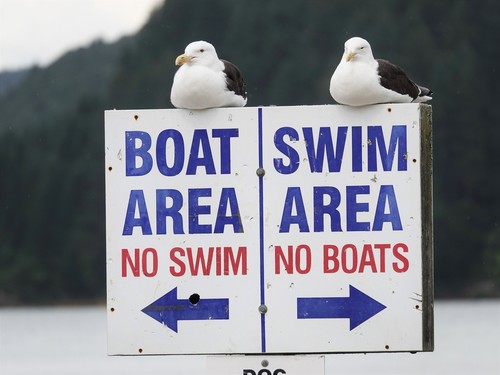 Kelp Gull
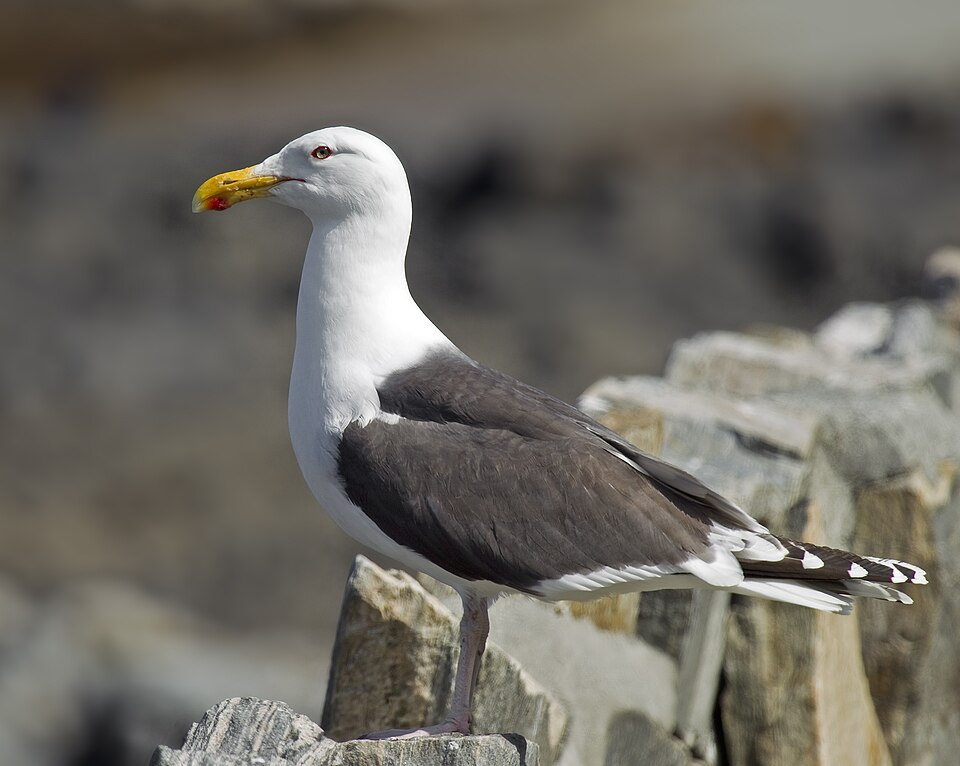 Mugnaiaccio
In breve
Il modo più affidabile per separare il Kelp Gull dal Mugnaiaccio è per dimensioni e struttura: il Mugnaiaccio è notevolmente più massiccio, con un becco più pesante e ali più lunghe, ed è il gabbiano più grande nel suo areale, mentre il Kelp Gull è intermedio per dimensioni. Per gli immaturi, controlla il modello della coda e dell'ala superiore: i gabbiani immaturi Mugnaiaccio mostrano una coda bianca con barre a zigzag e una banda nera spezzata vicino alla punta, mentre i giovani Kelp Gull hanno una banda della coda più scura e uniforme e un'ala superiore meno contrastante. Gli adulti di entrambe le specie hanno parti superiori nere e teste bianche, ma il Mugnaiaccio è più scuro, con una struttura più profonda e massiccia e gambe più chiare. Anche il contesto è utile: il Mugnaiaccio è strettamente atlantico settentrionale, mentre il Kelp Gull è dell'emisfero meridionale. Usa una combinazione di dimensioni, struttura e modelli di coda/ala specifici per età per l'identificazione più affidabile.
Consigli di identificazione
- Dimensioni e Struttura: Il Mugnaiaccio è il gabbiano più grande, con un corpo notevolmente più massiccio, un collo più spesso e un becco più pesante e lungo rispetto al Kelp Gull. Usa questo quando gli uccelli sono affiancati o con specie conosciute per scala.
- Forma del Becco: Il becco del Mugnaiaccio è più robusto e massiccio, specialmente alla base, rispetto al becco più snello e corto del Kelp Gull. Questo è più evidente negli adulti ma può essere visto anche in grandi immaturi.
- Modello della Coda degli Immaturi: Il giovane Mugnaiaccio ha una coda bianca con barre a zigzag e una banda nera spezzata vicino alla punta; il giovane Kelp Gull ha una coda più scura con una banda scura più solida e meno barre. Questo è un segno chiave in volo o quando si pulisce.
- Ala Superiore degli Immaturi: I giovani Mugnaiaccio mostrano un modello ordinato e a scacchi sulle copritrici dell'ala superiore e penne volanti marrone scuro, mentre i giovani Kelp Gull sono più uniformemente grigio-marroni sopra con bordi bianchi densi ma meno contrasto.
- Colore delle Gambe: L'adulto Kelp Gull ha gambe giallo-verdi (più brillanti durante la stagione di nidificazione, più opache in quella non riproduttiva), mentre il Mugnaiaccio ha gambe rosa pallido o grigio-blu. Gli immaturi di entrambi hanno gambe più opache, ma quelle del Mugnaiaccio sono grigio-blu con alcune tonalità rosa, quelle del Kelp sono opache e verdastre.
- Colore del Becco negli Immaturi: Il giovane Kelp Gull ha un becco nero che sviluppa rapidamente una base chiara, mentre il becco del giovane Mugnaiaccio è marrone-nero con una punta bianca, diventando più scuro prima di schiarirsi con l'età.
- Testa e Parti Inferiori negli Immaturi: Gli immaturi Kelp Gull sviluppano rapidamente una testa e parti inferiori più bianche, mentre gli immaturi Mugnaiaccio rimangono più striati e dall'aspetto più sporco durante i loro primi tre anni.
- Colore del Mantello degli Adulti: Entrambe le specie hanno mantelli scuri, ma quello del Mugnaiaccio è grigio-nero (più scuro di quello del Kelp Gull), e spesso appare più scuro in condizioni di scarsa illuminazione.
- Colore degli Occhi: Il Kelp Gull nominato di solito ha un occhio chiaro; la sottospecie Cape Gull ha un occhio scuro. L'occhio del Mugnaiaccio è chiaro.
- Colore delle Gambe (di nuovo): Se vedi gambe giallastre o verdastre, è un Kelp Gull; gambe rosa o grigio-blu indicano un Mugnaiaccio.
- Areale Geografico: Se sei nell'Atlantico settentrionale, ci si aspetta il Mugnaiaccio; nell'emisfero meridionale, il Kelp Gull è il default. La vaganza è estremamente rara.
- Comportamento: Il Mugnaiaccio è più aggressivo e predatorio, spesso visto dominare su carcasse o attaccare altri uccelli. Il Kelp Gull è meno probabile che mostri questo comportamento.
- Vocalizzazione: Il richiamo del Mugnaiaccio è più profondo e più risonante ('kaa-ga-ga'), mentre quello del Kelp Gull è più acuto e più stridente ('ki-och'). Usa con cautela a meno che non sia familiare con entrambi.
- Habitat: Il contesto è importante—costa atlantica settentrionale per il Mugnaiaccio, coste dell'emisfero meridionale per il Kelp Gull.
- Trappole: Entrambi possono apparire simili quando sono posati a distanza, specialmente gli adulti. Cerca sempre di ottenere una vista delle gambe, del becco, e, per gli immaturi, del modello della coda e dell'ala superiore. La struttura e il contesto sono spesso più affidabili della sola livrea.
Taglia
Il Mugnaiaccio è la specie di gabbiano più grande, con una struttura più massiccia, un becco più pesante e ali più lunghe rispetto al Kelp Gull. Il Kelp Gull è intermedio per dimensioni tra il Mugnaiaccio e il Zafferano, con una massa media da adulto di circa 941 g, mentre il Mugnaiaccio è più pesante (notato come il più grande della sua famiglia, anche se qui non viene fornito un dato diretto sulla massa). Sul campo, il Mugnaiaccio appare più imponente e robusto, specialmente quando visto affiancato al Kelp Gull.
Piumaggio
Le livree giovanili e immature sono fondamentali per la separazione. Il giovane Mugnaiaccio mostra una coda bianca con barre a zigzag e una banda nera spezzata vicino alla punta, oltre a parti superiori scagliose e a scacchi marrone-nero e un volto e una nuca più chiari. L'ala superiore è ordinata e patterned, con penne volanti marrone scuro. I giovani Kelp Gull sono più uniformemente grigio-marroni sopra, con bordi bianchi densi, una banda della coda scura e meno contrasto nell'ala superiore; il loro becco è nero e le gambe sono opache. Con l'età, gli immaturi del Mugnaiaccio diventano più contrastanti e striati, mentre gli immaturi del Kelp Gull sviluppano rapidamente una base del becco più chiara e una testa/parti inferiori più bianche. Gli adulti di entrambe le specie hanno parti superiori e ali nere, ma il mantello del Mugnaiaccio è più scuro (grigio-nero vs. nero), e le sue gambe sono rosa o pallide, mentre quelle del Kelp Gull sono giallo-verdi (più brillanti durante la stagione di nidificazione). Il becco dell'adulto Kelp Gull è giallo con una macchia rossa, e quello del Mugnaiaccio è più pesante e più chiaro. Il colore degli occhi può aiutare: il Kelp Gull nominato di solito ha un occhio chiaro, mentre quello del Mugnaiaccio è chiaro; la sottospecie Cape Gull del Kelp Gull ha un occhio scuro.
Comportamento
Il Mugnaiaccio è notevolmente aggressivo e predatorio, spesso cacciando e uccidendo altri uccelli, inclusi gli uccelli marini e persino piccoli mammiferi. Il suo comportamento è più simile a quello di un rapace rispetto ai gabbiani tipici, spesso inseguendo la preda in volo o attaccando nei nidi. Il Kelp Gull, pur essendo anche un grande gabbiano opportunista, non è descritto come così aggressivo o predatorio come il Mugnaiaccio. In stormi misti o su carcasse, il Mugnaiaccio tipicamente domina.
Habitat
Il Mugnaiaccio si trova sulle coste atlantiche settentrionali e sulle isole del nord Europa e del nord-est dell'America del Nord, raramente allontanandosi da queste regioni. Il Kelp Gull è una specie dell'emisfero meridionale, nidificando su coste e isole intorno al Sud America, all'Africa meridionale, all'Australia e alla Nuova Zelanda. L'overlap è estremamente raro e si verificherebbe solo in casi eccezionali di vaganza. Se sei nell'Atlantico settentrionale, aspettati il Mugnaiaccio; nell'emisfero meridionale, aspettati il Kelp Gull.
Voce
Il Mugnaiaccio emette un richiamo profondo e ridacchiante 'kaa-ga-ga', con la prima nota a volte prolungata e più profonda della maggior parte dei gabbiani. Il richiamo del Kelp Gull è un 'ki-och' stridente. Anche se entrambi sono forti e stridenti, la voce del Mugnaiaccio è più profonda e più risonante, ma la voce da sola è raramente diagnostica a meno che tu non sia familiare con entrambi.