

Herring Gull vs Mugnaiaccio
Larus argentatus contro Larus marinus
Fai un quiz con Herring Gull e Mugnaiaccio
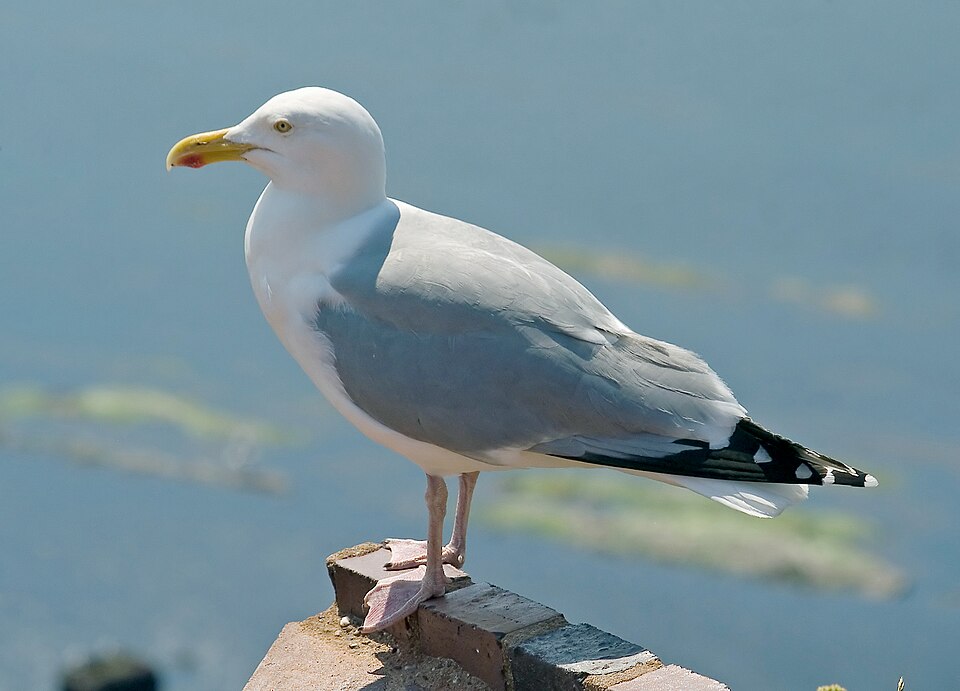 Herring Gull
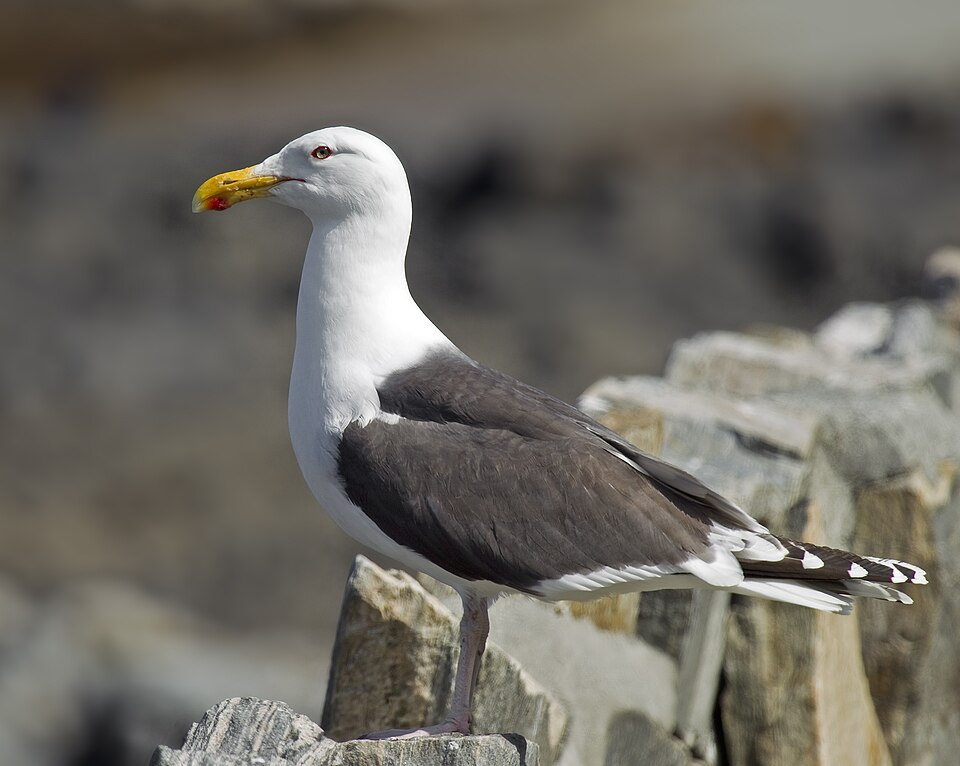 Mugnaiaccio
In breve
Il segno di campo più affidabile tra Herring Gull e Mugnaiaccio è il colore del mantello e delle ali superiori dell'adulto: il Mugnaiaccio ha un dorso e ali superiori straordinariamente scuri, quasi neri, mentre l'Herring Gull è molto più chiaro, grigio. Per gli immaturi, concentrati sui modelli delle ali superiori e della coda in volo: i giovani Mugnaiaccio mostrano un audace motivo a scacchi con una base della coda bianca distintiva e una forte banda nera sulla coda, mentre gli immaturi Herring Gull sono più uniformemente marroni e meno contrastanti. Il Mugnaiaccio è anche visibilmente più robusto e dall'aspetto più potente, con un becco più tozzo e una corporatura più pesante. Entrambe le specie possono essere trovate insieme, specialmente lungo le coste, quindi prestare attenzione a questi dettagli è essenziale.
Consigli di identificazione
- Colore del mantello adulto: Gli adulti Mugnaiaccio hanno un dorso e ali superiori nerastre, molto più scure del grigio chiaro degli adulti Herring Gull. Questo è il segno più affidabile quando gli uccelli sono appollaiati o a riposo.
- Dimensioni e struttura: Il Mugnaiaccio è molto più grande, più robusto e dall'aspetto più potente rispetto all'Herring Gull. Cerca un collo spesso, un petto profondo e un becco grande e pesante nel Mugnaiaccio. L'Herring Gull è più snello e aggraziato.
- Becco: Il becco del Mugnaiaccio è più tozzo e robusto. Entrambe le specie hanno un becco giallo con una macchia rossa da adulte, ma la dimensione e la profondità del becco del Mugnaiaccio sono distintive da vicino.
- Colore delle zampe: L'Herring Gull di solito ha zampe rosa (occasionamente giallastre in alcune popolazioni), mentre le zampe del Mugnaiaccio sono rosate ma possono apparire più opache o grigio-bluastre negli immaturi. Il colore delle zampe è più utile per gli adulti.
- Motivo delle ali superiori e della coda dei giovani: Il giovane Mugnaiaccio mostra un audace motivo a scacchi sulle copritrici delle ali superiori e una base della coda bianca con una forte banda nera spezzata vicino alla punta. I giovani Herring Gull sono più uniformemente marroni e striati, con un motivo della coda meno contrastante.
- Tono generale degli immaturi: Gli immaturi Mugnaiaccio appaiono più sporchi, striati e più contrastanti, mentre gli immaturi Herring Gull sono più chiari e di un marrone più uniforme.
- Volo: In volo, il Mugnaiaccio appare con ali più larghe e più pesanti, con battiti d'ali più lenti e profondi. L'Herring Gull è più leggero e agile.
- Punte delle ali (adulti): Entrambi hanno punte delle ali nere con 'specchi' bianchi, ma il contrasto con il mantello è molto maggiore nel Mugnaiaccio.
- Colore degli occhi: L'Herring Gull adulto ha un occhio chiaro con un anello orbitale giallo; l'occhio del Mugnaiaccio è anch'esso chiaro ma può apparire più minaccioso a causa della dimensione e della forma della testa dell'uccello.
- Striature sulla testa (non in riproduzione): Gli adulti Herring Gull mostrano striature marroni sulla testa e sul collo in inverno, mentre il Mugnaiaccio è meno striato ma può apparire 'sporco' negli immaturi.
- Contesto dell'habitat: Se visto nell'entroterra, specialmente in discariche o aree urbane, è più probabile che sia un Herring Gull. Il Mugnaiaccio è più strettamente costiero ma può verificarsi nell'entroterra in grandi corpi d'acqua.
- Comportamento: Il Mugnaiaccio è più aggressivo, spesso dominando i siti di alimentazione e inseguendo o attaccando altri uccelli. L'Herring Gull è meno dominante in stormi misti.
- Vocalizzazione: Il richiamo del Mugnaiaccio è più profondo e più risonante; quello dell'Herring Gull è più acuto. Usare con cautela a meno che tu non sia familiare con entrambi.
- Stormi misti: Quando entrambe le specie sono presenti, la dimensione e l'oscurità del Mugnaiaccio lo fanno risaltare, spesso sovrastando gli Herring Gull vicini.
- Insidie: Fai attenzione alla sovrapposizione delle dimensioni negli uccelli solitari e nota che le piume immature possono essere confuse: concentrati sul motivo delle ali superiori e della coda in volo, e sulla struttura generale e sul colore del mantello quando sono appollaiati.
Taglia
Il Mugnaiaccio è la più grande specie di gabbiano, significativamente più robusto e pesante rispetto all'Herring Gull. Gli adulti Mugnaiaccio raggiungono fino a 79 cm di lunghezza con un'apertura alare di 150–170 cm, mentre gli Herring Gull sono più piccoli, lunghi 55–67 cm e con un'apertura alare di 125–155 cm [wikipedia][avonet]. Sul campo, il Mugnaiaccio appare molto più massiccio, con un collo spesso, un petto profondo e un becco grande e potente. L'Herring Gull, pur essendo ancora grande, è visibilmente più snello e leggero. Se entrambe le specie sono viste insieme, la differenza di dimensioni è solitamente ovvia.
Piumaggio
Le piume giovanili e immature sono fondamentali per la separazione.
-
Giovanile/Primo inverno: I giovani Mugnaiaccio hanno un audace motivo a scacchi marrone-nero sulle parti superiori, un volto e una nuca più chiari, e una base della coda bianca distintiva con una banda nera spezzata vicino alla punta. Le loro piume di volo sono marrone-nerastre e le zampe sono di un grigio-bluastro scuro con un po' di rosa. I giovani Herring Gull sono più uniformemente marroni e striati nel complesso, privi dell'aspetto a scacchi nitido, e hanno un becco e occhi scuri con zampe rosa. La coda è più uniformemente barrata o maculata, non così nettamente disegnata come nel Mugnaiaccio.
-
Secondo/Terzo anno: Gli immaturi Mugnaiaccio mantengono una versione più sporca e striata delle parti superiori scure dell'adulto, mentre gli Herring Gull diventano più chiari, con più grigio sul dorso e meno striature sulla testa e sulle parti inferiori.
-
Adulti: Gli adulti Mugnaiaccio hanno un dorso e ali superiori nerastre, in forte contrasto con la testa e le parti inferiori bianche. Gli adulti Herring Gull sono molto più chiari, grigi sopra, con punte delle ali nere e 'specchi' bianchi sulle primarie. Anche il colore delle zampe è utile: l'Herring Gull di solito ha zampe rosa (raramente giallastre in alcune popolazioni), mentre le zampe del Mugnaiaccio sono rosate ma possono apparire più opache o con una tonalità grigio-bluastre negli immaturi.
Comportamento
Il Mugnaiaccio è più aggressivo e predatorio, spesso comportandosi come un rapace: caccia, uccide e mangia altri uccelli, inclusi i pulcini e persino gli adulti di varie specie. Si nutre anche di avanzi, ma è più probabile che venga visto attivamente a caccia o a rubare cibo da altri uccelli. L'Herring Gull è onnivoro e opportunista, nutrendosi di una vasta gamma di elementi, inclusi rifiuti, invertebrati e pesci, ed è meno probabile che cacci prede grandi. Entrambe le specie si nutrono di avanzi in discariche e lungo la costa, ma il dominio e l'aggressività del Mugnaiaccio sono notevoli quando entrambe sono presenti.
Habitat
Entrambe le specie si trovano lungo le coste atlantiche settentrionali, spesso insieme su spiagge, porti e estuari. L'Herring Gull è più probabile che venga trovato nell'entroterra, in discariche, campi e aree urbane, mentre il Mugnaiaccio è più strettamente costiero ma può anche essere trovato in grandi laghi interni. In stormi misti, il Mugnaiaccio è solitamente meno numeroso e si distingue per la sua dimensione e il suo mantello scuro.
Voce
Il Mugnaiaccio ha un richiamo più profondo e più risonante, descritto come un grido 'ridacchiante' (kaa-ga-ga), con la prima nota a volte prolungata e simile a un bovid. Il richiamo dell'Herring Gull è più acuto e meno profondo. Sul campo, la differenza è sottile e non sempre diagnostica, ma la voce del Mugnaiaccio è decisamente più profonda rispetto alla maggior parte degli altri gabbiani.