

Hepatic Tanager vs Red-crowned Ant-Tanager
Piranga flava contro Habia rubica
Fai un quiz con Hepatic Tanager e Red-crowned Ant-Tanager
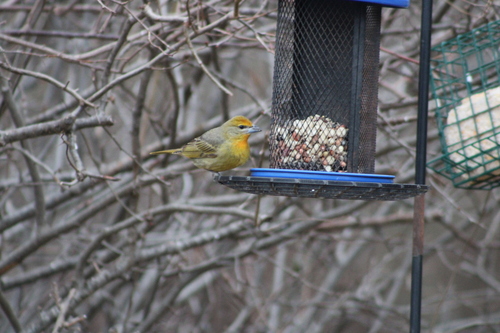 Hepatic Tanager
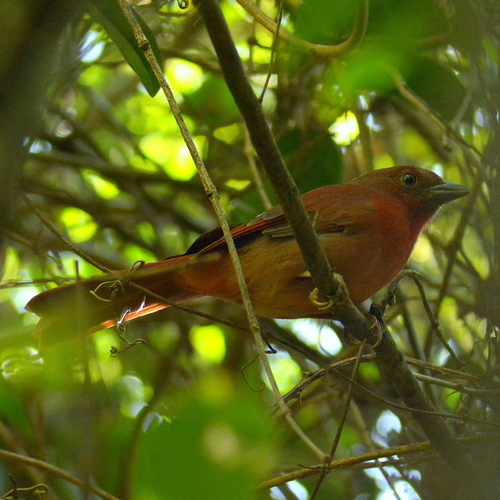 Red-crowned Ant-Tanager
In breve
Il segno di campo più affidabile tra Hepatic Tanager e Red-crowned Ant-Tanager è la struttura generale e le sottili differenze nella massa corporea, con Hepatic Tanager che è leggermente più pesante e tipicamente più robusto. Entrambe le specie sono uccelli canori di taglia media, con tonalità rosse, appartenenti alla famiglia Cardinalidae, e la confusione è più probabile con i maschi adulti o gli immaturi che mancano di un forte contrasto nella corona. Sul campo, concentrati sulle sottili differenze nella struttura e sii consapevole che le differenze nel piumaggio possono essere sottili, specialmente al di fuori del piumaggio da riproduzione dei maschi adulti. I modelli delle ali dei giovani e degli immaturi non sono descritti nelle fonti disponibili, quindi la separazione si basa sulla struttura e sulla colorazione generale.
Consigli di identificazione
- Overall structure: Hepatic Tanager è leggermente più pesante e massiccio (38 g vs 32.5 g), spesso apparendo più robusto sul campo.
- Crown coloration: Il maschio adulto di Red-crowned Ant-Tanager mostra solitamente una macchia di corona rossa più brillante e distintiva, in contrasto con un corpo più opaco; questo è meno ovvio o assente nelle femmine e negli immaturi.
- Uniformity of red: I maschi di Hepatic Tanager sono più uniformemente rossastri o rosso mattone nel complesso, con meno contrasto tra corona e corpo rispetto a Red-crowned Ant-Tanager.
- Female/immature confusion: Le femmine e gli immaturi di entrambe le specie sono più opachi, con tonalità olivastre o marroni, e possono essere estremamente difficili da separare visivamente; le differenze strutturali e il contesto diventano più importanti.
- Bill structure: Anche se non dettagliato nelle note, Hepatic Tanager ha tipicamente un becco leggermente più pesante rispetto al becco più fine di Red-crowned Ant-Tanager; questo può essere sottile sul campo.
- Habitat context: Gli uccelli nel sottobosco umido e denso sono più probabilmente Red-crowned Ant-Tanager; quelli in boschi aperti e più secchi sono più probabilmente Hepatic Tanager, ma può esserci sovrapposizione.
- Social behavior: Red-crowned Ant-Tanager può essere visto in stormi di specie miste e può essere più attivo; Hepatic Tanager è spesso più solitario o in coppie.
- Flight and wing pattern: Non sono descritti segni distintivi delle ali superiori giovanili o immaturi per nessuna delle due specie, quindi non fare affidamento sul modello di volo per la separazione.
- Tail and wing shape: Non sono state notate differenze diagnostiche nella forma della coda o nella formula delle ali tra queste due specie nelle fonti disponibili.
- Vocalizations: Non descritte nelle fonti; non usarle per la separazione qui.
- Sexual dimorphism: Entrambe le specie mostrano dimorfismo sessuale, ma le differenze sono sottili e principalmente nell'intensità del rosso; le femmine di entrambe sono più opache e più olivastre o marroni.
- Geographic context: Entrambe le specie hanno ampie aree di distribuzione nelle Americhe; controlla l'abbondanza locale su eBird se hai dubbi, ma entrambe possono verificarsi in aree sovrapposte.
- Mixed flocks: Se viste in uno stormo di specie miste, specialmente con formichieri o altre specie del sottobosco, considera Red-crowned Ant-Tanager; Hepatic Tanager è meno probabile in tali stormi.
- Perched vs. foraging: Entrambe le specie possono essere viste foraggiando a livelli medi, ma Red-crowned Ant-Tanager può essere più attivo e visibile negli strati inferiori.
- Fallback: Se tutto il resto fallisce e l'uccello non è un ovvio maschio adulto, la separazione può essere molto difficile senza indizi vocali o di distribuzione; annota come 'Piranga/Habia sp.' se incerto.
Taglia
Hepatic Tanager ha una massa corporea media di circa 38 g, rendendolo leggermente più pesante e massiccio rispetto a Red-crowned Ant-Tanager, che ha una media di 32.5 g. Questa differenza è sottile ma può essere percepita in un confronto diretto: Hepatic Tanager appare spesso più robusto e solido, mentre Red-crowned Ant-Tanager è un po' più leggero e può sembrare più snello. Tuttavia, entrambe sono uccelli canori di taglia media e possono sovrapporsi nella dimensione percepita, quindi questo segno è meglio utilizzato in combinazione con altri.
Piumaggio
Non sono descritte differenze specifiche per età nei modelli delle ali superiori o nei modelli di volo per nessuna delle due specie nelle fonti. Entrambe le specie sono generalmente di tonalità rossa, ma Hepatic Tanager tende ad avere una colorazione rossastra o rosso mattone più uniforme, specialmente nei maschi adulti, mentre Red-crowned Ant-Tanager è nominato per la sua macchia di corona rossa più brillante, che può essere un segno chiave sul campo nei maschi adulti ma è spesso meno ovvio o assente nelle femmine e negli immaturi. Hepatic Tanager può mostrare meno contrasto tra corona e corpo, mentre i maschi di Red-crowned Ant-Tanager possono mostrare una corona rossa distintiva e più brillante contro un corpo rosso più opaco o marrone. Le femmine e gli immaturi di entrambe le specie sono più opachi e possono mostrare tonalità olivastre o marroni, rendendo la separazione più difficile. Non c'è menzione di modelli distintivi delle ali superiori giovanili o immaturi per nessuna delle due specie nelle note disponibili.
Comportamento
Entrambe le specie sono generalmente poco appariscenti e possono essere viste foraggiando nei livelli medi o inferiori della foresta o del bosco. Hepatic Tanager può apparire più deliberato e metodico nei suoi movimenti, mentre Red-crowned Ant-Tanager può essere più attivo e sociale, a volte unendosi a stormi di specie miste. Nessuna delle due specie è particolarmente appariscente in volo, e entrambe possono essere trascurate a meno che non vengano cercate attivamente. Le differenze comportamentali sono sottili e non sempre affidabili per la separazione.
Habitat
Entrambe le specie si trovano nelle foreste tropicali e subtropicali delle Americhe. Hepatic Tanager è più frequentemente trovato in boschi più secchi, foreste aperte e margini forestali, mentre Red-crowned Ant-Tanager preferisce foreste più umide e dense e crescita secondaria. Può verificarsi sovrapposizione, ma il contesto può aiutare: un uccello in un sottobosco umido e denso è più probabile che sia Red-crowned Ant-Tanager, mentre uno in un bosco aperto e più secco potrebbe essere Hepatic Tanager. Tuttavia, l'habitat da solo non è diagnostico a causa della sovrapposizione in alcune regioni.
Hepatic Tanager · Red-crowned Ant-Tanager · I miei uccelli difficili