

Harpy Eagle vs Roadside Hawk
Harpia harpyja contro Rupornis magnirostris
Fai un quiz con Harpy Eagle e Roadside Hawk
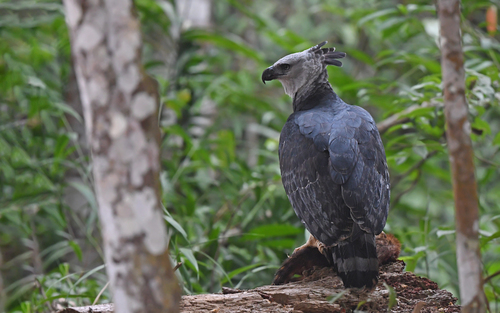 Harpy Eagle
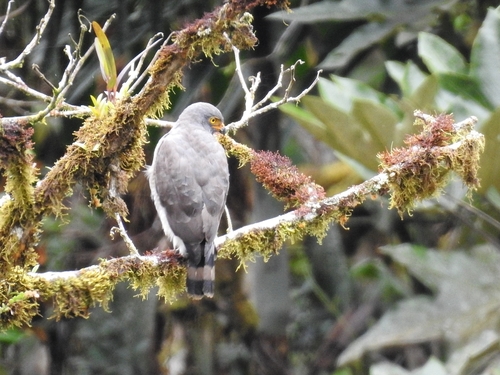 Roadside Hawk
In breve
Il modo più affidabile per separare l'Harpia harpyja dal Rupornis magnirostris è la pura dimensione e struttura: l'Harpia harpyja è un rapace massiccio, con gambe spesse e una testa e un becco enormi, mentre il Rupornis magnirostris è un piccolo falco snello e dalla lunga coda. In volo, l'Harpia harpyja mostra ali larghe e arrotondate e una coda corta, in contrasto con le ali corte e strette e la lunga coda a bande del Rupornis magnirostris. Anche il piumaggio adulto è distintivo: l'Harpia harpyja ha un sorprendente motivo bianco e nero con un disco facciale audace, mentre il Rupornis magnirostris è bruno o grigiastro sopra con parti inferiori barrate e una sfumatura ruggine sulle ali. Anche a distanza o in visioni scarse, la differenza di dimensione, proporzioni e forma delle ali è inconfondibile.
Consigli di identificazione
- Size is the most immediate clue: L'Harpia harpyja è enorme, con una massa corporea di circa 5950 g, mentre il Rupornis magnirostris è minuscolo in confronto (circa 250–300 g). Anche a distanza, il divario di dimensione è estremo.
- Structure in flight: L'Harpia harpyja ha ali larghe e arrotondate e una coda corta, conferendole un profilo potente, quasi simile a un buteo. Il Rupornis magnirostris ha ali corte e strette e una lunga coda a bande, apparendo più simile a un piccolo accipiter.
- Perched jizz: L'Harpia harpyja si posa eretta con una testa massiccia, gambe spesse e artigli enormi. Il Rupornis magnirostris appare snello, con un becco proporzionalmente grande ma altrimenti con caratteristiche delicate.
- Facial disk: Solo l'Harpia harpyja ha un prominente disco facciale nero e una testa grigia chiara, che è diagnostico a distanza ravvicinata. Il Rupornis magnirostris non ha alcun disco facciale.
- Legs and talons: Le gambe dell'Harpia harpyja sono estremamente spesse e piumate, con artigli enormi. Le gambe del Rupornis magnirostris sono molto più sottili e meno appariscenti.
- Plumage pattern: L'Harpia harpyja adulta mostra una audace banda nera sul petto, parti inferiori bianche e parti superiori scure. Il Rupornis magnirostris è bruno o grigio sopra, con barrature brune e bianche sotto, e una sfumatura ruggine sulle ali.
- Tail pattern: La coda del Rupornis magnirostris è lunga con quattro o cinque bande grigie, facilmente visibili in volo. La coda dell'Harpia harpyja è più corta e meno distintamente a bande.
- Wing shape in flight: Le ali dell'Harpia harpyja sono larghe e arrotondate, mentre quelle del Rupornis magnirostris sono corte e strette, conferendo un diverso profilo di volo.
- Habitat context: L'Harpia harpyja è una specie di foresta profonda; il Rupornis magnirostris è comune in aree aperte, bordi stradali e persino ambienti urbani.
- Behavior: L'Harpia harpyja caccia grandi mammiferi dalla chioma, raramente plana ed è segreta. Il Rupornis magnirostris è evidente, spesso posandosi in vista e planando.
- Vocalization: Il Rupornis magnirostris è molto vocale con un fischio acuto; l'Harpia harpyja è quasi sempre silenziosa.
- Bill size: Entrambe le specie hanno grandi becchi per le loro dimensioni, ma quello dell'Harpia harpyja è massiccio e proporzionalmente più grande.
- Sex differences: Entrambe le specie mostrano poco dimorfismo sessuale nel piumaggio, ma le femmine di Harpia harpyja sono più grandi dei maschi; le femmine di Rupornis magnirostris sono circa il 20% più grandi dei maschi, ma questo è sottile sul campo.
- Juvenile confusion: Non sono descritti motivi distintivi per le ali superiori giovanili o immature per nessuna delle due specie, quindi la confusione legata all'età è improbabile in volo.
- Common pitfalls: A grande distanza, un Rupornis magnirostris in volo potrebbe essere scambiato per un rapace molto più grande se la dimensione è giudicata erroneamente, ma la lunga coda e le ali strette dovrebbero escludere l'Harpia harpyja. Al contrario, qualsiasi rapace veramente massiccio nella foresta profonda è quasi certamente un'Harpia harpyja.
Taglia
L'Harpia harpyja è uno dei più grandi aquiloni del mondo, con una massa corporea media di 5950 g [wikidata], che sovrasta il Rupornis magnirostris, che è il falco più piccolo del suo genere (tipicamente intorno ai 250–300 g, anche se non citato direttamente qui). Sul campo, l'Harpia harpyja appare massiccia, con gambe spesse e un enorme becco, mentre il Rupornis magnirostris è piccolo, snello e visibilmente più leggero. Quando è posato, il volume e i grandi artigli dell'Harpia harpyja sono evidenti; il Rupornis magnirostris è delicato in confronto. In volo, le ali dell'Harpia harpyja sono larghe e arrotondate, e la sua coda è corta, mentre il Rupornis magnirostris ha ali relativamente corte e strette e una lunga coda, conferendogli un profilo più agile, simile a un accipiter.
Piumaggio
Non sono descritti motivi specifici per le ali superiori legati all'età per nessuna delle due specie, ma gli adulti sono facilmente separabili per colorazione e motivo complessivi. Gli adulti di Harpia harpyja mostrano un audace contrasto bianco e nero: una testa grigia chiara con un disco facciale nero, parti inferiori bianche e una banda nera sul petto, con parti superiori scure e ali larghe e arrotondate. Gli adulti di Rupornis magnirostris sono molto più semplici, con parti superiori brune o grigie, parti inferiori barrate brune e bianche, e una lunga coda con quattro o cinque bande grigie. In volo, il Rupornis magnirostris mostra spesso una sfumatura ruggine sulle ali, specialmente visibile dal basso. Le gambe massicce e piumate dell'Harpia harpyja e il prominente disco facciale sono unici; il Rupornis magnirostris manca di entrambe le caratteristiche. Non sono descritti segni di volo specifici per giovanili o immature per nessuna delle due specie nelle note.
Comportamento
L'Harpia harpyja caccia posandosi silenziosamente nella chioma o facendo brevi voli tra gli alberi, spesso tendendo imboscate a grandi mammiferi arboricoli come bradipi e scimmie. Raramente plana. Il Rupornis magnirostris, d'altra parte, è spesso visto posato in modo evidente su fili o rami esposti lungo i bordi stradali e in aree aperte, e plana frequentemente su termiche. La sua caccia è focalizzata su piccole prede come insetti, lucertole e piccoli mammiferi. Il comportamento dell'Harpia harpyja è segreto e basato sulla foresta, mentre il Rupornis magnirostris è audace e altamente visibile in habitat aperti.
Habitat
L'Harpia harpyja è limitata a grandi foreste neotropicali non disturbate, specialmente nella chioma della foresta pluviale di pianura. È raramente vista al di fuori della foresta densa. Il Rupornis magnirostris è altamente adattabile e comune in una vasta varietà di habitat aperti e semi-aperti, comprese savane, bordi forestali e persino aree urbane. Se l'uccello è visto in una città, lungo una strada o in campagna aperta, è quasi certamente un Rupornis magnirostris; l'Harpia harpyja è uno specialista della foresta profonda.
Voce
Il Rupornis magnirostris è notevolmente vocale, emettendo un fischio acuto e penetrante che è spesso udito e può essere un utile indizio sul campo. L'Harpia harpyja è generalmente silenziosa e raramente vocalizza, specialmente se confrontata con il chiassoso Rupornis magnirostris. Se un rapace chiama ripetutamente, è molto più probabile che sia un Rupornis magnirostris.