

Hair-crested Drongo vs Greater Racket-tailed Drongo
Dicrurus hottentottus contro Dicrurus paradiseus
Fai un quiz con Hair-crested Drongo e Greater Racket-tailed Drongo
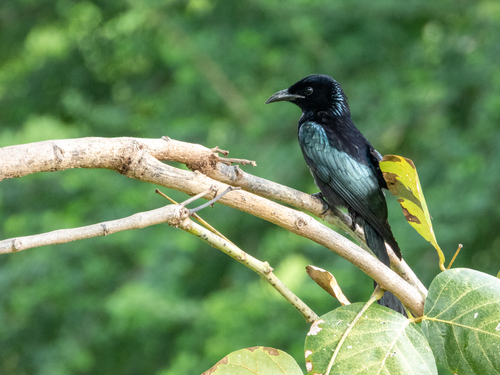 Hair-crested Drongo
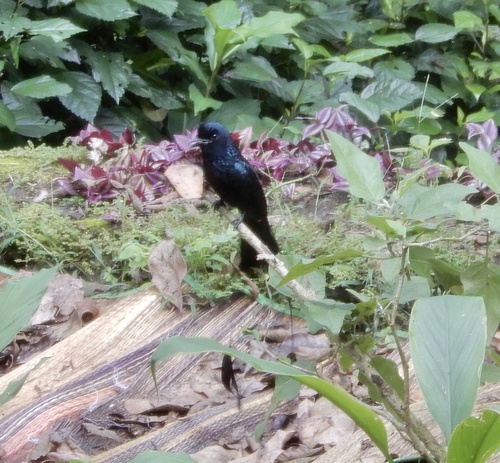 Greater Racket-tailed Drongo
In breve
Il modo più affidabile per separare il Hair-crested Drongo dal Greater Racket-tailed Drongo sul campo è attraverso la coda: il Greater Racket-tailed Drongo mostra piume della coda esterne drammaticamente allungate che terminano in 'rackets' (punte spatolate), una caratteristica mai presente nel Hair-crested Drongo. Questa differenza è visibile negli adulti e nella maggior parte degli immaturi, tranne durante la muta o nei giovani uccelli. Entrambi sono dronghi neri lucidi con alcune variazioni di cresta o criniera, ma solo il Greater Racket-tailed Drongo può mostrare una coda completamente biforcuta e profondamente incisa con lunghi rackets. Anche le vocalizzazioni differiscono: il Greater Racket-tailed Drongo è un maestro imitatore con un enorme e variegato repertorio, mentre il Hair-crested Drongo è meno vocale e meno propenso a imitare. Se vedi un drongo nero con una coda biforcuta normale e senza rackets, specialmente in assenza di un'imitazione vocale stravagante, è quasi certamente un Hair-crested Drongo.
Consigli di identificazione
- La forma della coda è il segno più affidabile: il Greater Racket-tailed Drongo mostra piume della coda esterne estremamente lunghe con membrana solo alle punte, formando distintivi 'rackets.' Il Hair-crested Drongo non mostra mai questi. Questo segno è visibile negli adulti e nella maggior parte degli immaturi, ma può mancare nei giovani o negli uccelli in muta.
- Cresta e crini: Entrambe le specie possono mostrare alcune creste o crini, ma il Greater Racket-tailed Drongo (soprattutto alcune sottospecie) può avere una cresta o crini del collo più prominenti e lucidi. Tuttavia, questo è variabile e non sempre affidabile, poiché alcune popolazioni e giovani uccelli mancano di cresta.
- Lucentezza del corpo: Entrambi sono neri lucidi; questo non è un segno utile per la separazione.
- Piumaggio giovanile/immaturo: I giovani Greater Racket-tailed Drongos sono più opachi e possono mancare di cresta, ma la coda è ancora più lunga e più graduata rispetto al Hair-crested Drongo. I giovani Hair-crested Drongo somigliano agli adulti ma non mostrano mai code a racket.
- Silhouette in volo: In volo, i lunghi rackets del Greater Racket-tailed Drongo si allungano dietro e sono visibili da lontano. Il Hair-crested Drongo ha una coda biforcuta più tipica.
- Postura in perching: Entrambi si posano apertamente, ma la coda del racket-tailed drongo spesso pende bene sotto il posatoio, a volte oscillando.
- Vocalizzazioni: Se l'uccello emette una vasta gamma di richiami, specialmente imitazioni di altri uccelli, è quasi certamente un Greater Racket-tailed Drongo. Il Hair-crested Drongo è molto più silenzioso e meno vario nella voce.
- Comportamento nei gruppi: Il Greater Racket-tailed Drongo spesso si unisce a gruppi di specie miste e può agire come leader del gruppo o kleptoparassita. Il Hair-crested Drongo è meno propenso a farlo.
- Contesto dell'habitat: Entrambi possono essere trovati nelle foreste, ma se ti trovi in una foresta densa e senti o vedi un drongo molto vocale e appariscente, sospetta il Greater Racket-tailed Drongo.
- Impressione di dimensione: Entrambi sono simili in dimensione corporea, ma il Greater Racket-tailed Drongo appare più grande a causa della sua coda. Non fare affidamento solo sulla dimensione.
- Variazione stagionale: Durante la muta, il Greater Racket-tailed Drongo può mancare di rackets completi, rendendo la forma della coda meno affidabile. In questo caso, fai più affidamento sulla voce e sul comportamento.
- Variazione delle sottospecie: Alcune sottospecie di Greater Racket-tailed Drongo hanno creste o crini ridotti, quindi l'assenza di una cresta non esclude questa specie se la coda è corretta.
- Confusione con altri dronghi: Se la coda non è a racket e l'uccello non è particolarmente vocale, è più probabile che sia un Hair-crested Drongo, ma fai attenzione ai giovani o ai Greater Racket-tailed Drongos in muta.
- Becco e struttura: Non sono descritte differenze chiare nelle fonti; entrambi hanno becchi tipici dei dronghi.
- Trappole: La principale trappola è un giovane o un Greater Racket-tailed Drongo in muta che manca di rackets e cresta completi—usa comportamento e voce come segni di riserva.
Taglia
Il Hair-crested Drongo ha una massa corporea registrata di circa 77 g [wikidata], che rientra nell'intervallo tipico per i dronghi di dimensioni medie. Il Greater Racket-tailed Drongo è generalmente simile o leggermente più grande nell'impressione complessiva, soprattutto a causa dei suoi estremamente lunghi streamers della coda, ma non sono forniti dati diretti sulla massa. Sul campo, la differenza di dimensione apparente è spesso esagerata dalla coda del racket-tailed drongo, ma i loro corpi sono abbastanza simili in volume.
Piumaggio
Le differenze nel piumaggio sono sottili nella colorazione del corpo, poiché entrambe le specie sono nere lucide. La differenza chiave è nella coda: il Greater Racket-tailed Drongo (adulto e la maggior parte degli immaturi) ha piume della coda esterne molto lunghe con membrana solo alle punte, formando 'rackets.' I giovani uccelli possono mancare di rackets completi o di cresta, ma anche in quel caso, la coda è più lunga e più graduata rispetto al Hair-crested Drongo. Il Hair-crested Drongo non mostra mai piume della coda a punta di racket; la sua coda è moderatamente biforcuta, a volte con una leggera torsione, ma manca degli streamers allungati. La variazione di cresta e crini è complessa nel Greater Racket-tailed Drongo, con alcune sottospecie che mostrano prominenti crini del collo o creste, ma queste caratteristiche possono sovrapporsi con la modesta cresta del Hair-crested Drongo. I giovani Greater Racket-tailed Drongos sono più opachi e possono mancare di cresta, ma la struttura della coda è ancora un forte indizio. Nessun modello distintivo specifico per l'età è descritto per nessuna delle due specie nelle fonti.
Comportamento
Il Greater Racket-tailed Drongo è altamente appariscente, spesso posandosi in modo aperto e attirando l'attenzione con i suoi richiami forti e variati e l'imitazione. È noto per unirsi a gruppi di specie miste e talvolta per kleptoparassitare altri uccelli. Il Hair-crested Drongo è meno appariscente vocalmente e comportamentalmente, tipicamente non impegnandosi in un'imitazione così elaborata o in comportamenti di guida del gruppo. Entrambe le specie si posano apertamente, ma la coda più stravagante e la presenza vocale del racket-tailed drongo lo fanno risaltare.
Habitat
Entrambe le specie si trovano in habitat forestali asiatici, a volte sovrapponendosi. Il Greater Racket-tailed Drongo è particolarmente associato a foreste dense ed è spesso trovato nella chioma o ai margini della foresta, dove è altamente visibile e udibile. Anche il Hair-crested Drongo abita aree forestali ma può essere meno legato a foreste dense ed è meno probabile che sia il centro vocale di gruppi di specie miste.
Voce
Il Greater Racket-tailed Drongo è famoso per i suoi richiami estremamente vari e forti, comprese imitazioni perfette di molti altri uccelli, richiami di allerta e imitazioni sensibili al contesto. Il suo repertorio è ampio, metallico e include fischi, suoni nasali e frasi complesse. Il Hair-crested Drongo è meno vocale e non si impegna in un'imitazione così estesa. Se senti un drongo produrre una vasta gamma di imitazioni e suoni insoliti, è quasi certamente un Greater Racket-tailed Drongo.
Hair-crested Drongo · Greater Racket-tailed Drongo · I miei uccelli difficili