

Gray Nightjar vs Succiacapre
Caprimulgus jotaka contro Caprimulgus europaeus
Fai un quiz con Gray Nightjar e Succiacapre
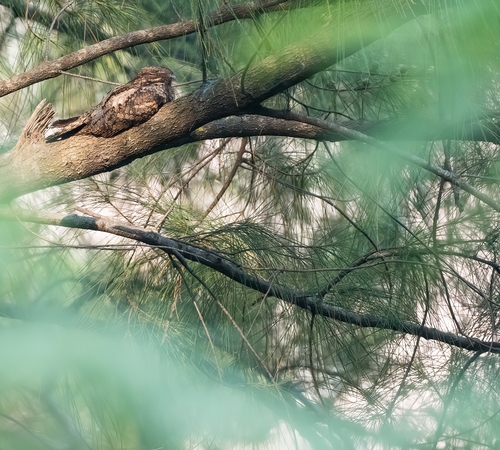 Gray Nightjar
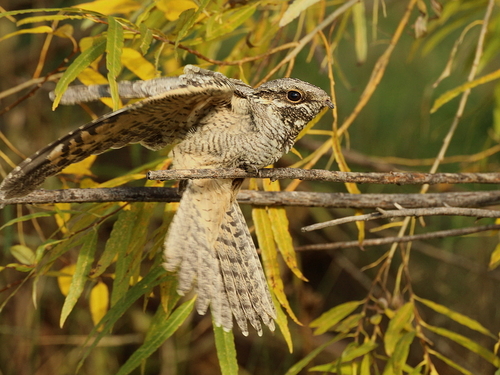 Succiacapre
In breve
Il segno di campo più affidabile tra il Gray Nightjar e il Succiacapre è il motivo bianco nelle ali e nella coda dei maschi adulti in volo: i maschi Succiacapre mostrano ampie macchie bianche sulle primarie e sulle piume esterne della coda, mentre i maschi Gray Nightjar hanno una singola macchia bianca sulla prima primaria e barre bianche sulle successive tre, oltre a una macchia subterminale bianca sulle piume esterne della coda. Le femmine e gli immaturi di entrambe le specie mancano di questi segni bianchi, rendendo la separazione molto più complicata e richiedendo attenzione ai dettagli e alla struttura del piumaggio. Entrambe le specie hanno un motivo criptico e possono essere estremamente difficili da distinguere quando sono posate, specialmente in condizioni di scarsa illuminazione. Il contesto geografico può aiutare, ma i loro areali si sovrappongono in alcune parti dell'Asia orientale. Concentrati sul motivo delle ali e della coda in volo, poi sulle sottili differenze di piumaggio e struttura se il sesso o l'età non sono chiari.
Consigli di identificazione
- Maschio adulto in volo: motivo bianco di ali e coda – Il Succiacapre mostra una ampia macchia bianca su tre primarie e punte bianche sulle due piume esterne della coda; il maschio Gray Nightjar ha una singola macchia bianca sulla prima primaria, barre bianche sulle successive tre e una macchia subterminale bianca sulle piume esterne della coda. Questo è il miglior segno di campo per i maschi adulti.
- Femminile e immaturo in volo – Entrambi mancano di bianco nelle ali e nella coda, rendendo la separazione molto più difficile. Concentrati su differenze sottili nel motivo della parte superiore dell'ala e nelle barre della coda, ma aspettati alta incertezza.
- Motivo della corona e della nuca (posato) – Il Gray Nightjar ha una prominente striscia centrale nera sulla corona e un motivo vermicolato grigio e marrone più intricato; il Succiacapre è più uniformemente grigio-marrone con striature scure e un collare chiaro sulla nuca.
- Segni facciali – Il Succiacapre mostra una linea bianca moustachiale e un collare chiaro sulla nuca, che sono meno prominenti o assenti nel Gray Nightjar.
- Scapolari – Le scapolari del Gray Nightjar sono nere con macchie giallo-marroni e spesso hanno macchie giallo-marroni sulle web esterne; le scapolari del Succiacapre sono meno contrastanti.
- Motivo della coda – Le piume centrali della coda del Gray Nightjar hanno 6–7 bande ondulate nere e (nei maschi) una prominente macchia subterminale bianca sulle piume esterne; la coda del Succiacapre è meno audacemente striata e solo i maschi hanno punte bianche sulle due piume esterne.
- Parte inferiore – Il Gray Nightjar è più chiaro sotto con dense strisce orizzontali marroni scure; il Succiacapre è più grigio con barre marroni e macchie chiare.
- Macchia della gola – Entrambe le specie hanno una macchia bianca sulla gola, ma è più grande e più luminosa nel maschio Gray Nightjar; nelle femmine, la macchia è più piccola e più marrone nel Gray Nightjar e meno distinta nel Succiacapre.
- Stile di volo – Entrambe le specie hanno un volo galleggiante e silenzioso, ma il Gray Nightjar può mostrare motivi più circolari o erratici quando cerca cibo.
- Postura di posata – Entrambi si posano longitudinalmente sui rami, rendendoli difficili da individuare; la postura non è un separatore affidabile.
- Contesto geografico – In Giappone, Corea e gran parte del Sud-est asiatico, ci si aspetta solo il Gray Nightjar; in Europa e nella Russia occidentale, solo il Succiacapre. Nella Cina orientale e nell'Himalaya, entrambe le specie possono verificarsi; non fare affidamento solo sull'areale in queste aree.
- Vocalizzazioni – Il lungo trill gorgogliante del Succiacapre è distintivo; il canto del Gray Nightjar non è descritto qui, quindi usalo con cautela a meno che non sia familiare con entrambi.
- Differenze sessuali – Solo i maschi di entrambe le specie mostrano bianco nelle ali e nella coda; le femmine e gli immaturi mancano di questi segni, quindi non identificare erroneamente una femmina Succiacapre come un Gray Nightjar basandosi sull'assenza di bianco.
- Tempistica della muta – I maschi adulti Succiacapre mutano le piume del corpo dopo la riproduzione e sostituiscono le piume da volo nei luoghi di svernamento; questo può influenzare l'aspetto alla fine della stagione, ma non è un segno di campo affidabile.
- Confusione giovanile – I giovanili e gli immaturi di entrambe le specie sono estremamente simili e potrebbero non essere separati in modo sicuro sul campo senza viste ravvicinate o vocalizzazioni.
Taglia
Il Succiacapre è leggermente più grande nel complesso, con una lunghezza di 24,5–28 cm e un'apertura alare di 52–59 cm [wikipedia]. Il Gray Nightjar è descritto come di dimensioni medie, ma le misure dirette non sono fornite nelle fonti; è generalmente simile in dimensioni al Succiacapre, forse leggermente più piccolo. Entrambe le specie hanno una grande testa, una lunga coda e ali relativamente lunghe per un nightjar, quindi la dimensione da sola non è un separatore affidabile sul campo.
Piumaggio
Gli uccelli giovanili e immaturi di entrambe le specie sono molto simili, con parti superiori criptiche marroni e grigie vermicolate e parti inferiori barrate. Per gli adulti in volo, il maschio Succiacapre mostra una ampia macchia bianca su tre primarie e punte bianche sulle due piume esterne della coda; le femmine mancano di questi segni bianchi. Il maschio Gray Nightjar mostra una macchia circolare bianca sulla prima primaria e barre bianche sulla seconda, terza e quarta primaria, oltre a una macchia subterminale bianca sulle piume esterne della coda. La femmina Gray Nightjar ha una macchia della gola bianca più piccola e con una tonalità marrone, e manca di macchie bianche nelle piume da volo e nella coda. Gli adulti Succiacapre hanno un collare chiaro sulla nuca e una linea moustachiale bianca, che sono meno prominenti o assenti nel Gray Nightjar. Le parti superiori del Gray Nightjar sono più intricatemente vermicolate con una prominente striscia centrale nera sulla corona, e le scapolari hanno macchie nere con macchie giallo-marroni. Entrambe le specie hanno code scure e barrate, ma la coda del Gray Nightjar ha 6–7 bande ondulate nere e macchie subterminali bianche più prominenti (solo nei maschi). Le parti inferiori del Gray Nightjar sono più chiare e più densamente barrate rispetto al Succiacapre, che tende ad avere più macchie chiare e una tonalità più grigia.
Comportamento
Entrambe le specie sono notturne o crepuscolari e cercano insetti in volo, utilizzando battiti d'ala lenti e galleggianti e occasionali planate. Il Gray Nightjar vola spesso in motivi circolari, a volte in modo erratico quando insegue le prede, ed è descritto come silenzioso in volo. Il volo del Succiacapre è galleggiante e silenzioso grazie al piumaggio morbido. Entrambe le specie si posano longitudinalmente sui rami durante il giorno, mimetizzandosi con l'ambiente circostante. Non ci sono forti differenze comportamentali nella ricerca di cibo o nel riposo che siano diagnostiche sul campo.
Habitat
Il Gray Nightjar nidifica dalla Russia sudorientale attraverso la Cina, la Corea, il Giappone, l'Indocina settentrionale e lungo gli Himalaya, svernando a sud fino a Giava. Il Succiacapre nidifica in gran parte dell'Europa e del Paleartico fino alla Mongolia e alla Cina nord-occidentale. I loro areali si sovrappongono in alcune parti dell'Asia orientale, ma il Succiacapre è assente dal Giappone e da gran parte del Sud-est asiatico. Entrambi preferiscono boschi aperti, margini forestali e radure, quindi l'habitat non è un forte separatore tranne che agli estremi dei loro areali.
Voce
I maschi Succiacapre cantano un trill gorgogliante sostenuto, spesso per diversi minuti, con occasionali cambi di tono o velocità, e possono terminare con un trill gorgogliante e battiti d'ala. Il canto è ventriloquiale e può essere udito a grandi distanze. Il richiamo del Gray Nightjar non è descritto nelle fonti fornite, ma la separazione dal Jungle Nightjar si basava in parte su differenze vocali. Nelle aree di sovrapposizione, il canto è un separatore chiave, ma senza una descrizione del canto del Gray Nightjar qui, questo non è un segno di campo affidabile a meno che l'osservatore non sia familiare con entrambi.