

Greater Sage-Grouse vs Sharp-tailed Grouse
Centrocercus urophasianus contro Tympanuchus phasianellus
Fai un quiz con Greater Sage-Grouse e Sharp-tailed Grouse
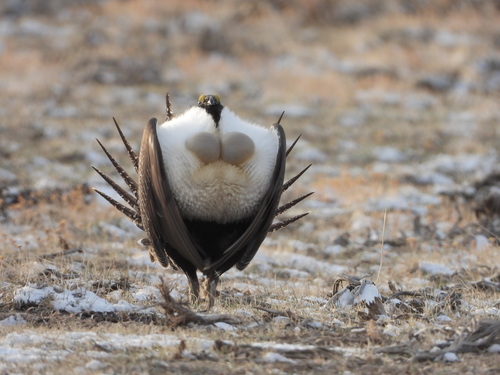 Greater Sage-Grouse
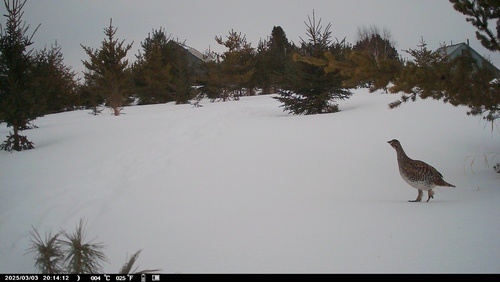 Sharp-tailed Grouse
In breve
Il segno di campo più affidabile tra Greater Sage-Grouse e Sharp-tailed Grouse è la dimensione: il Greater Sage-Grouse è enormemente più grande e massiccio, facilmente sovrastando lo Sharp-tailed Grouse in qualsiasi confronto diretto. Se vedi un gallo in un aperto di salvia che appare delle dimensioni di un tacchino, è quasi certamente un Greater Sage-Grouse; lo Sharp-tailed Grouse è molto più compatto e di dimensioni medie. Entrambe le specie possono essere viste in campagna aperta, ma i loro habitat preferiti differiscono: il Greater Sage-Grouse è legato a vaste aree di salvia, mentre lo Sharp-tailed Grouse predilige praterie miste o praterie con arbusti sparsi. In volo, il Greater Sage-Grouse appare più pesante e lento, mentre lo Sharp-tailed Grouse è più agile e leggero. Se non riesci a giudicare la dimensione, cerca di osservare l'habitat e l'aspetto generale, poiché le differenze nel piumaggio sono sottili a distanza.
Consigli di identificazione
- La dimensione è il segno di campo più affidabile: il Greater Sage-Grouse è enorme e simile a un tacchino, mentre lo Sharp-tailed Grouse è di dimensioni medie e simile a un pollo. Se riesci a giudicare la dimensione, questo dovrebbe risolvere la maggior parte delle confusioni (tutte le età e sessi).
- Contesto dell'habitat: il Greater Sage-Grouse non si trova quasi mai lontano da vaste aree di salvia; lo Sharp-tailed Grouse preferisce praterie, praterie miste e aree aperte con arbusti o pioppi sparsi. Se non sei in un'area di salvia, è molto più probabile che tu veda uno Sharp-tailed Grouse (tutte le età).
- Stile di volo: il Greater Sage-Grouse decolla con un volo pesante, lento e diretto, spesso non volando lontano. Lo Sharp-tailed Grouse esplode in un volo rapido, agile e leggero, volando spesso più lontano e con movimenti più erratici (tutte le età).
- Dimensione del gruppo e comportamento: il Greater Sage-Grouse forma spesso gruppi più grandi, specialmente al di fuori della stagione riproduttiva, ed è meno probabile che si posi sugli alberi. Lo Sharp-tailed Grouse è più spesso in piccoli gruppi o coppie e può posarsi in alberi bassi o arbusti (tutte le età).
- Forma della coda (quando visibile): lo Sharp-tailed Grouse ha una coda appuntita distintiva, particolarmente evidente in mostra o quando viene spaventato; il Greater Sage-Grouse ha una coda più lunga e arrotondata, ma questo non è sempre evidente a meno che l'uccello non stia mostrando o sia a riposo (tutte le età, ma migliore nei maschi durante la mostra).
- Schema del piumaggio: entrambi sono criptici, ma lo Sharp-tailed Grouse tende a mostrare barre e macchie più distinte, specialmente sui fianchi e sulle parti inferiori. Il Greater Sage-Grouse è di un grigio-marrone più uniforme. Questa è sottile e non affidabile a distanza (tutte le età).
- Mostra maschile (lekking): se vedi maschi in mostra, i maschi del Greater Sage-Grouse hanno piume bianche drammatiche sul petto e grandi sacchi aerei gialli; i maschi dello Sharp-tailed Grouse danzano con le code appuntite sollevate e le ali spiegate, mostrando la parte inferiore bianca (maschi adulti in primavera).
- Comportamento di posarsi: lo Sharp-tailed Grouse può essere visto posato su alberi o arbusti, specialmente in inverno; il Greater Sage-Grouse quasi mai si posa sugli alberi (tutte le età).
- Gamma geografica: il Greater Sage-Grouse è limitato agli Stati Uniti occidentali e al sud dell'Alberta/Saskatchewan; lo Sharp-tailed Grouse si trova più a nord e a est, inclusi Alaska e gran parte del Canada (tutte le età).
- Vocalizzazioni (non descritte nelle note): non diagnostiche con le informazioni fornite.
- Separazione giovanile/immatura: non sono descritti segni distintivi specifici per età sulle ali superiori o segni di volo per nessuna delle due specie, quindi fai affidamento su dimensione e habitat per i giovani uccelli.
- Contesto stagionale: entrambe le specie possono formare gruppi al di fuori della stagione riproduttiva, ma i gruppi di Greater Sage-Grouse sono spesso molto più grandi.
- Habitat del lek: i lek del Greater Sage-Grouse si trovano in pianure aperte di salvia; i lek dello Sharp-tailed Grouse si trovano spesso in praterie con meno del 30% di vegetazione legnosa.
- Distanza di fuga: il Greater Sage-Grouse spesso consente un avvicinamento più ravvicinato prima di fuggire, mentre lo Sharp-tailed Grouse può fuggire a distanze maggiori, specialmente in praterie aperte.
- Contesto di caccia: il Greater Sage-Grouse è un uccello da caccia popolare nelle aree di salvia; lo Sharp-tailed Grouse è cacciato nelle regioni di prateria. Se senti cacciatori locali discutere di galli, la loro terminologia potrebbe riflettere la specie dominante nell'area.
Taglia
Il Greater Sage-Grouse è di gran lunga il più grande gallo in Nord America, con un peso medio di circa 2450 g, quasi tre volte il peso dello Sharp-tailed Grouse, che pesa in media 885 g [wikidata]. Questa differenza di dimensione è drammatica sul campo: il Greater Sage-Grouse appare simile a un tacchino, con un petto profondo e una lunga coda, mentre lo Sharp-tailed Grouse è molto più compatto e delle dimensioni di un pollo. Anche in volo, la massa e l'apertura alare del Greater Sage-Grouse sono evidenti, facendolo apparire pesante e lento rispetto allo Sharp-tailed Grouse, che è più leggero e agile.
Piumaggio
Non sono descritti schemi distintivi di ali superiori giovanili o immaturi per nessuna delle due specie nelle note fornite, quindi non sono disponibili segni di volo specifici per età per la separazione. Entrambe le specie hanno un piumaggio criptico, maculato di marrone e grigio, adattato per il camuffamento in habitat aperti. Gli adulti del Greater Sage-Grouse mostrano una colorazione grigio-marrone più uniforme con meno contrasto, mentre lo Sharp-tailed Grouse mostra spesso barre e macchie più distinte, specialmente sulle parti inferiori e sui fianchi. In mostra, i maschi del Greater Sage-Grouse hanno piume bianche sul petto e sacchi aerei gonfiabili, ma questi sono visibili solo a distanza ravvicinata e durante il lekking. I maschi dello Sharp-tailed Grouse si mostrano con le code sollevate e appuntite (da cui il nome) e mostrano una parte inferiore bianca, ma questi segni non sono sempre visibili a meno che l'uccello non stia mostrando o venga spaventato a distanza ravvicinata. In generale, le differenze nel piumaggio sono sottili e non affidabili a distanza.
Comportamento
Il Greater Sage-Grouse tende a camminare lentamente e deliberatamente, spesso visto in piccoli gruppi o grandi stormi in aperte aree di salvia, raramente posandosi sugli alberi. Quando viene spaventato, decolla con un volo pesante e faticoso e di solito atterra di nuovo in vista. Lo Sharp-tailed Grouse è più probabile che venga visto in gruppi più piccoli o coppie, a volte posandosi in arbusti o alberi bassi ai margini delle praterie. Quando viene spaventato, esplode in un volo rapido e agile, volando spesso più lontano e con movimenti più erratici e leggeri rispetto al Greater Sage-Grouse. Durante la stagione riproduttiva, entrambe le specie si mostrano nei lek, ma le esibizioni sono piuttosto diverse: i maschi del Greater Sage-Grouse eseguono elaborate passeggiate con piume sul petto e sacchi aerei, mentre i maschi dello Sharp-tailed Grouse danzano con le code sollevate e le ali spiegate.
Habitat
L'habitat è un forte separatore. Il Greater Sage-Grouse si trova quasi esclusivamente in vaste aree di salvia ininterrotte degli Stati Uniti occidentali e del sud del Canada [wikipedia]. Se ti trovi in un paesaggio dominato dalla salvia con poca o nessuna prateria, aspettati di vedere un Greater Sage-Grouse. Lo Sharp-tailed Grouse preferisce praterie miste, praterie e aree aperte con arbusti o pioppi sparsi, ed è più comune nelle Grandi Pianure settentrionali e occidentali, in Alaska e in gran parte del Canada. Lo Sharp-tailed Grouse è anche più tollerante verso habitat frammentati o a macchie e può essere trovato in aree con più erba e meno salvia. Se vedi un gallo in una prateria erbosa con arbusti o piccoli alberi sparsi, specialmente al di fuori del paese di salvia principale, è più probabile che sia uno Sharp-tailed Grouse.
Greater Sage-Grouse · Sharp-tailed Grouse · I miei uccelli difficili