

Motmot

Cinciallegra vs Thekla's Lark

Parus major contro Galerida theklae

Fai un quiz con Cinciallegra e Thekla's Lark
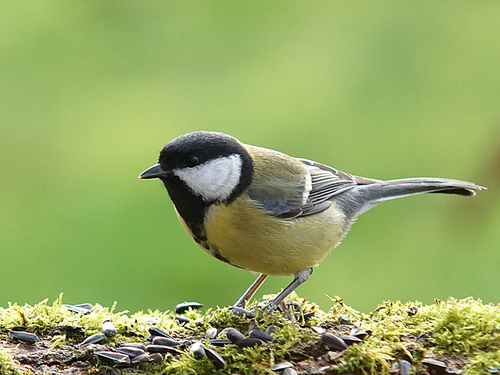
Cinciallegra (Parus major) Cinciallegra
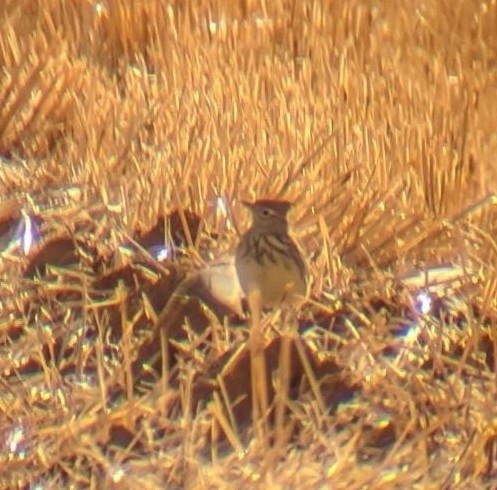
Thekla's Lark (Galerida theklae) Thekla's Lark

Media

Caricamento…

In breve

The most reliable way to separate Great Tit from Thekla's Lark is by overall structure and plumage: Great Tit is a boldly patterned woodland songbird with a black head, white cheeks, and bright yellow underparts, while Thekla's Lark is a streaky, grey-brown, crested bird of open country. Juvenile Great Tits may be duller but still show the characteristic face pattern and yellow below, whereas Thekla's Lark of all ages is streaked above and below, with a spiky crest and no strong facial contrast. In flight, Thekla's Lark shows grey underwings and lacks any white in the tail or wings, unlike the Great Tit's white wing-bar and tail tips. Structure and habitat are also key: Great Tit is compact with a short bill and rounded wings, while Thekla's Lark is longer-bodied, with a prominent crest and a more slender bill.

Consigli di identificazione

  1. Face pattern: Great Tit always shows a bold black head, white cheek patch, and black throat/bib, even in juveniles, while Thekla's Lark has a plain, streaky face with no strong contrast or cheek patch.
  2. Underparts: Great Tit has bright yellow underparts with a black central stripe (broad in males, narrower or broken in females/juveniles); Thekla's Lark is whitish below with dark streaks on the breast, never yellow.
  3. Upperparts: Great Tit is greenish or olive above (depending on subspecies), with a clean, non-streaked back; Thekla's Lark is grey-brown and heavily streaked above, blending into the ground.
  4. Wings in flight: Great Tit shows a white wing-bar and white tail tips; Thekla's Lark lacks any white in the wings or tail, and shows grey underwings (a key point if seen in flight).
  5. Crest: Thekla's Lark has a long, spiky, erectile crest, often raised; Great Tit never shows a crest.
  6. Bill shape: Great Tit has a short, thick, stubby bill suited for seeds and insects; Thekla's Lark has a longer, thinner, slightly downcurved bill.
  7. Body shape: Great Tit is compact and upright, often perching in trees or shrubs; Thekla's Lark is longer, lower to the ground, and often seen walking or running on open soil.
  8. Tail: Great Tit has a bluish-grey tail with white outer tips; Thekla's Lark has a plain, grey-brown tail with no white.
  9. Juvenile confusion: Even young Great Tits show the white cheek patch and some yellow below, though duller; Thekla's Lark juveniles are streaky and lack any facial contrast.
  10. Sex differences: Great Tit males have a broader, more solid black belly stripe; females and juveniles have a narrower, sometimes broken stripe. Thekla's Lark sexes are similar.
  11. Habitat: Great Tit is found in woodland, parks, and gardens; Thekla's Lark is in dry, open country, often rocky or arid, never in dense woodland.
  12. Behavior: Great Tit is acrobatic, often in trees; Thekla's Lark is terrestrial, often walking or running, and frequently raises its crest.
  13. Flight style: Great Tit has a bounding, undulating flight; Thekla's Lark has a more fluttery, direct flight with glides, often singing in flight.
  14. Subspecies variation: Great Tit subspecies vary in tone (greener, duller, or greyer), but always have the face pattern and yellow below; Thekla's Lark is always streaky grey-brown with a crest.
  15. Pitfall: In poor light or at a distance, Thekla's Lark may appear plain, but the lack of any face pattern, yellow, or white in the wings/tail, and the presence of a crest, are decisive.

Taglia

Great Tit is slightly heavier (body mass ~18.5g [wikidata]) and appears more compact, with a shorter, stubbier bill and a shorter tail relative to body size. Thekla's Lark is described as 'smallish' for a lark, but is longer-bodied and more slender overall, with a proportionally longer and thinner bill, and a more elongated appearance due to its posture and crest. In the field, Great Tit feels chunkier and more upright, while Thekla's Lark is sleeker and often appears longer, especially when the crest is raised.

Piumaggio

Juvenile Great Tits resemble duller females, with olive-brown napes, greyish rumps, and less defined white tail tips, but always show the white cheek patch and some yellow below. Adults have a bold black head, white cheeks, and a bright yellow belly with a black central stripe (broader in males, narrower and sometimes broken in females and juveniles). The wings show a white wing-bar and bluish-grey tones, with white tips on the tail. Thekla's Lark, at all ages, is streaked grey-brown above and whitish below with black breast streaks, lacking any strong facial pattern or yellow tones. Its most distinctive feature is the long, spiky, erectile crest. In flight, Thekla's Lark shows grey underwings and no white in the tail or wings, while Great Tit shows white wing-bar and tail tips. Sexes are similar in both species, but Great Tit males have a broader, more solid black belly stripe. Subspecies of Great Tit vary in tone and extent of white/yellow, but always retain the face pattern; Thekla's Lark is always streaky and greyish, never showing bold color contrasts.

Comportamento

Great Tit is an active, acrobatic woodland bird, often seen flitting through trees and shrubs, sometimes hanging upside down to feed. It is rarely seen on the ground for long. Thekla's Lark is a ground-dwelling bird, often walking or running on open soil or rocks, and frequently raises its crest when alert. In flight, Great Tit has a bounding, undulating flight typical of tits, while Thekla's Lark has a more direct, fluttery lark flight with bursts of wingbeats and glides, often rising and falling in song flights.

Habitat

Great Tit is a woodland and parkland species, favoring areas with trees and shrubs, including gardens and urban parks. It is rarely found in open, treeless landscapes. Thekla's Lark is a bird of dry, open country, often at altitude, and is typically found in arid scrub, rocky hillsides, or semi-desert, avoiding dense woodland. If you see a bird in open, treeless, dry terrain, especially with a crest, it is almost certainly Thekla's Lark, not Great Tit.

Invia una descrizione migliore

Usa le stesse sezioni del confronto. Il testo viene pubblicato subito.

The most reliable way to separate Great Tit from Thekla's Lark is by overall structure and plumage: Great Tit is a boldly patterned woodland songbird with a black head, white cheeks, and bright yellow underparts, while Thekla's Lark is a streaky, grey-brown, crested bird of open country. Juvenile Great Tits may be duller but still show the characteristic face pattern and yellow below, whereas Thekla's Lark of all ages is streaked above and below, with a spiky crest and no strong facial contrast. In flight, Thekla's Lark shows grey underwings and lacks any white in the tail or wings, unlike the Great Tit's white wing-bar and tail tips. Structure and habitat are also key: Great Tit is compact with a short bill and rounded wings, while Thekla's Lark is longer-bodied, with a prominent crest and a more slender bill.

  1. Face pattern: Great Tit always shows a bold black head, white cheek patch, and black throat/bib, even in juveniles, while Thekla's Lark has a plain, streaky face with no strong contrast or cheek patch.
  2. Underparts: Great Tit has bright yellow underparts with a black central stripe (broad in males, narrower or broken in females/juveniles); Thekla's Lark is whitish below with dark streaks on the breast, never yellow.
  3. Upperparts: Great Tit is greenish or olive above (depending on subspecies), with a clean, non-streaked back; Thekla's Lark is grey-brown and heavily streaked above, blending into the ground.
  4. Wings in flight: Great Tit shows a white wing-bar and white tail tips; Thekla's Lark lacks any white in the wings or tail, and shows grey underwings (a key point if seen in flight).
  5. Crest: Thekla's Lark has a long, spiky, erectile crest, often raised; Great Tit never shows a crest.
  6. Bill shape: Great Tit has a short, thick, stubby bill suited for seeds and insects; Thekla's Lark has a longer, thinner, slightly downcurved bill.
  7. Body shape: Great Tit is compact and upright, often perching in trees or shrubs; Thekla's Lark is longer, lower to the ground, and often seen walking or running on open soil.
  8. Tail: Great Tit has a bluish-grey tail with white outer tips; Thekla's Lark has a plain, grey-brown tail with no white.
  9. Juvenile confusion: Even young Great Tits show the white cheek patch and some yellow below, though duller; Thekla's Lark juveniles are streaky and lack any facial contrast.
  10. Sex differences: Great Tit males have a broader, more solid black belly stripe; females and juveniles have a narrower, sometimes broken stripe. Thekla's Lark sexes are similar.
  11. Habitat: Great Tit is found in woodland, parks, and gardens; Thekla's Lark is in dry, open country, often rocky or arid, never in dense woodland.
  12. Behavior: Great Tit is acrobatic, often in trees; Thekla's Lark is terrestrial, often walking or running, and frequently raises its crest.
  13. Flight style: Great Tit has a bounding, undulating flight; Thekla's Lark has a more fluttery, direct flight with glides, often singing in flight.
  14. Subspecies variation: Great Tit subspecies vary in tone (greener, duller, or greyer), but always have the face pattern and yellow below; Thekla's Lark is always streaky grey-brown with a crest.
  15. Pitfall: In poor light or at a distance, Thekla's Lark may appear plain, but the lack of any face pattern, yellow, or white in the wings/tail, and the presence of a crest, are decisive.

Great Tit is slightly heavier (body mass ~18.5g [wikidata]) and appears more compact, with a shorter, stubbier bill and a shorter tail relative to body size. Thekla's Lark is described as 'smallish' for a lark, but is longer-bodied and more slender overall, with a proportionally longer and thinner bill, and a more elongated appearance due to its posture and crest. In the field, Great Tit feels chunkier and more upright, while Thekla's Lark is sleeker and often appears longer, especially when the crest is raised.

Juvenile Great Tits resemble duller females, with olive-brown napes, greyish rumps, and less defined white tail tips, but always show the white cheek patch and some yellow below. Adults have a bold black head, white cheeks, and a bright yellow belly with a black central stripe (broader in males, narrower and sometimes broken in females and juveniles). The wings show a white wing-bar and bluish-grey tones, with white tips on the tail. Thekla's Lark, at all ages, is streaked grey-brown above and whitish below with black breast streaks, lacking any strong facial pattern or yellow tones. Its most distinctive feature is the long, spiky, erectile crest. In flight, Thekla's Lark shows grey underwings and no white in the tail or wings, while Great Tit shows white wing-bar and tail tips. Sexes are similar in both species, but Great Tit males have a broader, more solid black belly stripe. Subspecies of Great Tit vary in tone and extent of white/yellow, but always retain the face pattern; Thekla's Lark is always streaky and greyish, never showing bold color contrasts.

Great Tit is an active, acrobatic woodland bird, often seen flitting through trees and shrubs, sometimes hanging upside down to feed. It is rarely seen on the ground for long. Thekla's Lark is a ground-dwelling bird, often walking or running on open soil or rocks, and frequently raises its crest when alert. In flight, Great Tit has a bounding, undulating flight typical of tits, while Thekla's Lark has a more direct, fluttery lark flight with bursts of wingbeats and glides, often rising and falling in song flights.

Great Tit is a woodland and parkland species, favoring areas with trees and shrubs, including gardens and urban parks. It is rarely found in open, treeless landscapes. Thekla's Lark is a bird of dry, open country, often at altitude, and is typically found in arid scrub, rocky hillsides, or semi-desert, avoiding dense woodland. If you see a bird in open, treeless, dry terrain, especially with a crest, it is almost certainly Thekla's Lark, not Great Tit.

Scartare le modifiche?

Hai modifiche non salvate. Se esci ora, andranno perse.

Cinciallegra · Thekla's Lark · I miei uccelli difficili