
Croccolone vs Beccaccino
Gallinago media contro Gallinago gallinago
Fai un quiz con Croccolone e Beccaccino
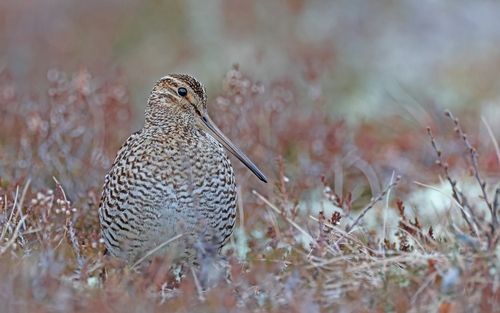 Croccolone
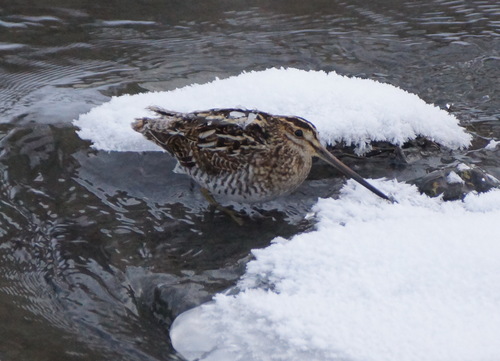 Beccaccino
In breve
Il segno di campo più affidabile tra il Croccolone e il Beccaccino è la combinazione di una struttura più massiccia e ali più larghe e una distintiva striscia alare chiara in volo sul Croccolone, rispetto al Beccaccino, che ha ali più affusolate e appuntite e manca di una forte striscia alare. Il Croccolone mostra anche un becco più corto e un bianco più evidente nella coda quando è aperta, specialmente durante il corteggiamento. Entrambe le specie sono ben mimetizzate, ma il Croccolone appare notevolmente più pesante e meno agile in volo. Le differenze nel pattern delle ali legate all'età non sono fortemente evidenziate nelle fonti, quindi concentrati sulla struttura generale, la forma delle ali e lo stile di volo per la separazione.
Consigli di identificazione
- Bulk and Structure: Il Croccolone è notevolmente più massiccio e pesante del Beccaccino, specialmente in volo. Cerca un'impressione più simile a quella di un beccaccino rispetto al Beccaccino più snello e agile. Questo è affidabile per adulti e immaturi.
- Wing Shape: Il Croccolone ha ali larghe e arrotondate con una striscia alare chiara visibile in volo. Le ali del Beccaccino sono appuntite e mancano di una forte striscia alare. Questo è più evidente quando gli uccelli si alzano in volo o in forte luce laterale.
- Bill Length: Il becco del Croccolone è più corto (6–7 cm) e più robusto, mentre quello del Beccaccino è più lungo (5.5–7 cm) e più sottile. La lunghezza del becco è meglio giudicata a distanza ravvicinata o in buone viste di profilo.
- Flight Style: Il Croccolone vola dritto e con potenza quando si alza, spesso per una lunga distanza prima di scendere. Il Beccaccino di solito si alza a distanza ravvicinata e vola via in un rapido schema a zig-zag. Questa differenza è più evidente negli uccelli disturbati.
- Tail Pattern: Il Croccolone mostra una coda con centro marrone e lati bianchi evidenti, specialmente quando è aperta durante il corteggiamento. La coda del Beccaccino è meno contrastante e il bianco non è così evidente in volo.
- Upperparts and Head Stripes: Entrambi sono maculati di marrone sopra, ma il Beccaccino ha strisce giallo paglierino sulle parti superiori e un pattern più distintivo di strisce chiare sopra e sotto l'occhio. Il pattern della testa del Croccolone è più semplice, con solo una striscia scura attorno all'occhio.
- Underparts: Il Croccolone ha delle barre sotto, mentre il Beccaccino è più chiaro sotto con meno barre.
- Leg Color: Il Beccaccino ha gambe corte di colore grigio-verde; il colore delle gambe non è diagnostico per il Croccolone nelle fonti.
- Display Behavior: I maschi del Croccolone si esibiscono nei leks, stando in posizione eretta con la coda aperta e producendo una varietà di suoni meccanici. I maschi del Beccaccino eseguono esibizioni aeree di 'vortici', producendo un suono di tamburo con la coda.
- Vocalizations: Ascolta il debole 'sì' del Croccolone e i suoni meccanici di esibizione rispetto al forte richiamo 'scape' del Beccaccino e al suo distintivo suono di tamburo durante l'esibizione.
- Habitat Preferences: Entrambi utilizzano paludi e prati umidi, ma il Croccolone preferisce vegetazione più bassa e luoghi più asciutti, mentre il Beccaccino è più probabile trovarlo in torbiere e aree più umide.
- Migration and Range: Il Croccolone è un migratore a lungo raggio tra Europa e Africa; il Beccaccino è più diffuso e può essere trovato in una gamma più ampia di habitat umidi in tutta l'Eurasia.
- Pitfalls: Entrambi sono molto ben mimetizzati e difficili da vedere a terra. Le viste in volo sono spesso la migliore opportunità per l'identificazione: concentrati sulla struttura, la forma delle ali e lo stile di volo.
- Age and Sex: Non ci sono segni di campo specifici per età o sesso descritti per entrambe le specie nelle fonti; fai affidamento sulle differenze strutturali e di volo per tutte le età.
- When in Doubt: Se l'uccello appare particolarmente massiccio, mostra una striscia alare chiara in volo e vola dritto e forte, sospetta il Croccolone. Se è più snello, con ali appuntite, manca di una striscia alare e zig-zag quando si alza, è probabile che sia un Beccaccino.
Taglia
Il Croccolone è leggermente più grande in lunghezza (26–30 cm vs 25–27 cm) e apertura alare (43–50 cm vs 44–47 cm), ma la principale differenza è la sua struttura notevolmente più massiccia, particolarmente evidente in volo, dove appare più simile a un beccaccino che a un Beccaccino. Il Beccaccino è più snello e leggero (massa corporea ~119.5 g), con un becco più lungo e sottile. La differenza di massa è spesso più utile della lunghezza o dell'apertura alare da sola.
Piumaggio
Nessun pattern specifico per età delle ali superiori o giovanili è descritto per entrambe le specie nelle fonti, quindi concentrati sul piumaggio adulto e sui segni di volo. Gli adulti del Croccolone hanno una larga striscia alare chiara visibile in volo, ali larghe e una coda con un centro marrone e lati bianchi evidenti (specialmente quando è aperta). Il corpo è maculato di marrone sopra e barrato sotto. Gli adulti del Beccaccino hanno ali appuntite, mancano di una forte striscia alare e mostrano strisce giallo paglierino sulle parti superiori con un sottosquadro più chiaro. Entrambi hanno una striscia scura attorno all'occhio, ma il Beccaccino mostra anche strisce chiare sopra e sotto l'occhio. Il pattern della coda è meno contrastante nel Beccaccino e il bianco nella coda non è così prominente in volo o durante l'esibizione.
Comportamento
Il Croccolone vola dritto e con potenza quando si alza, spesso coprendo una considerevole distanza prima di tornare a nascondersi, ed è meno incline a zig-zagare. Si esibisce nei leks, con i maschi in posizione eretta, petto gonfio e coda aperta, a volte saltando e producendo una varietà di suoni di rattling, clic e fischi. Il Beccaccino è più timido, si alza solo quando è avvicinato da vicino e di solito vola via in un rapido e irregolare schema a zig-zag per sfuggire ai predatori. La sua esibizione di corteggiamento coinvolge voli circolari alti e tuffi poco profondi, producendo un distintivo suono di 'tamburo' con le penne della coda.
Habitat
Entrambe le specie nidificano in paludi e prati umidi, ma il Croccolone preferisce aree con vegetazione più bassa e tende a utilizzare habitat leggermente più asciutti rispetto al Beccaccino. Il Beccaccino è più diffuso e occupa anche torbiere e tundra. Durante la migrazione, il Croccolone compie lunghi voli non-stop tra Europa e Africa, mentre il Beccaccino è più probabile trovarlo in una varietà di habitat umidi in tutto il Vecchio Mondo.
Voce
La voce del Croccolone è descritta come un debole 'sì', con richiami di esibizione nei leks che possono essere uditi a lunghe distanze, suonando come un mix di petardi, suoni di carica e note di xilofono. Il Beccaccino emette un forte richiamo 'scape, scape' quando si alza e produce un suono unico di 'tamburo' o 'vortici' durante i voli di esibizione, prodotto vibrando le penne della coda. Questo suono è spesso paragonato al belare di una capra o di una pecora ed è una caratteristica chiave di identificazione durante la stagione riproduttiva.