

Mignattaio vs Spatola africana
Plegadis falcinellus contro Platalea alba
Fai un quiz con Mignattaio e Spatola africana
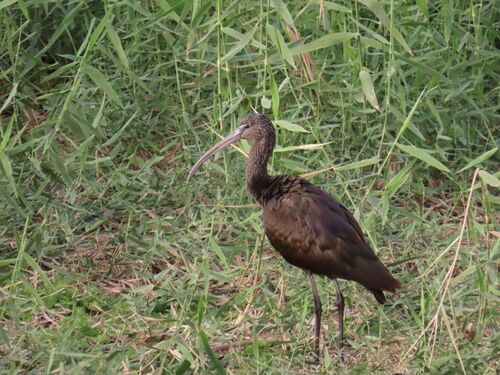 Mignattaio
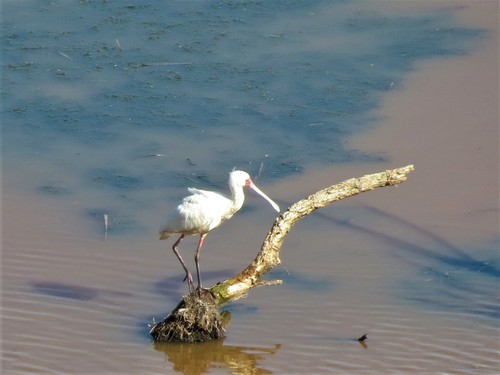 Spatola africana
In breve
Il modo più affidabile per separare il Mignattaio dalla Spatola africana è la forma del becco: il Mignattaio ha un becco lungo, sottile e a forma di falce, mentre la Spatola africana ha un becco lungo, piatto e a forma di spatola che è inconfondibile da vicino. Il piumaggio adulto è anche diagnostico: il Mignattaio mostra toni scuri, marrone-rossiccio e iridescenti verdi o viola, mentre la Spatola africana è completamente bianca con gambe e faccia rosse negli adulti. I giovani di entrambe le specie sono più opachi, ma la forma del becco rimane una chiara distinzione a tutte le età. Entrambe le specie volano con il collo disteso, ma il loro aspetto generale e il comportamento alimentare differiscono. La confusione è più probabile con uccelli distanti o immaturi, ma un'attenta attenzione al becco e al piumaggio risolverà la maggior parte dei casi.
Consigli di identificazione
- La forma del becco è il segno di campo più affidabile: Il Mignattaio ha sempre un becco lungo, sottile e curvo (a forma di falce); la Spatola africana ha sempre un becco lungo, piatto e a punta larga (a forma di spatola). Questo è diagnostico a tutte le età e distanze in cui il becco è visibile.
- Piumaggio adulto: Gli adulti del Mignattaio sono di un marrone-rossiccio scuro con forte iridescenza verde, bronzo o viola sulle ali. Gli adulti della Spatola africana sono completamente bianchi senza iridescenza, e hanno gambe rosse e una macchia rossa sul viso.
- Piumaggio giovanile/immaturo: Il giovane Mignattaio è marrone scuro con sottili striature bianche sulla testa e sul collo, privo di iridescenza. Il giovane Spatola africana è pallido (per lo più bianco), privo di rosso sul viso e ha un becco giallastro. Anche in luce opaca, il becco a forma di spatola si distingue.
- Pelle facciale: Il Mignattaio ha una stretta banda facciale bianca (sottile, meglio visibile da vicino negli adulti in riproduzione), con pelle facciale blu-grigia o blu cobalto a seconda della stagione. La Spatola africana ha un viso rosso nudo negli adulti (non presente nei giovani).
- Colore delle gambe: Le gambe del Mignattaio sono rosso-marroni; le gambe della Spatola africana sono rosso brillante negli adulti, più opache negli immaturi.
- Silhouette in volo: Entrambe volano con il collo disteso, ma la Spatola africana appare con collo e gambe più lunghi, con un aspetto più angolare e slanciato. Il Mignattaio è più compatto.
- Comportamento alimentare: Il Mignattaio cerca nel fango o nell'acqua bassa, spesso camminando in modo metodico. La Spatola africana muove il suo becco da lato a lato, un movimento alimentare unico non visto negli ibis.
- Struttura del gruppo: Il Mignattaio spesso cerca in piccoli o grandi stormi e può riposare in modo comunitario, a volte con altre specie. La Spatola africana è più spesso vista singolarmente o in piccoli gruppi, e di solito non nidifica con cicogne o aironi.
- Preferenza dell'habitat: Il Mignattaio è più probabile trovarlo in una gamma più ampia di tipi di zone umide, comprese quelle disturbate o artificiali. La Spatola africana preferisce zone umide paludose con acqua aperta ed è meno tollerante ai disturbi umani.
- Cambiamenti stagionali: Il Mignattaio mostra movimenti stagionali più pronunciati e può apparire in luoghi inaspettati durante la migrazione o la dispersione. La Spatola africana è più sedentaria all'interno del suo areale.
- Voce: Non diagnostica per la separazione; entrambi sono generalmente silenziosi o emettono rauchi grida quando disturbati.
- Trappole: A grande distanza o in scarsa luce, un uccello bianco è quasi certamente una Spatola africana; un uccello scuro e iridescente è un Mignattaio. I giovani spatole possono apparire meno appariscenti, ma la forma del becco rimane diagnostica. Fai attenzione agli spatole macchiate di fango, ma anche in quel caso, la forma del becco è unica.
- Differenze sessuali: Non utile per la separazione sul campo; entrambe le specie mostrano poco dimorfismo sessuale nel piumaggio.
- Contesto: In stormi misti, la forma del becco e il colore generale sono i controlli più rapidi. Se è visibile solo una silhouette, cerca il becco più grande e piatto della spatola e le gambe più lunghe.
Taglia
Il Mignattaio è un ibis di dimensioni medie, con una massa corporea media di circa 633 g e una lunghezza di 48–66 cm. La Spatola africana è simile in lunghezza complessiva ma è generalmente più robusta e con gambe più lunghe, anche se mancano dati precisi sulla massa. Sul campo, la Spatola africana appare spesso più alta e più allungata a causa delle sue lunghe gambe e collo. Entrambe le specie sono visibilmente più piccole delle cicogne o degli aironi, ma la Spatola africana può apparire più imponente quando è in piedi.
Piumaggio
- Giovani/Immaturi: Entrambe le specie sono più opache degli adulti, ma i giovani Mignattaio hanno corpi marrone scuro con sottili striature bianche sulla testa e sul collo e mancano di forte iridescenza. I giovani Spatola africana sono pallidi, per lo più bianchi, ma mancano del viso rosso e hanno un becco giallastro. La forma del becco è ancora diagnostica: a forma di falce nell'ibis, spatolata nella spatola.
- Adulti (riproduzione): Il Mignattaio mostra un piumaggio corporeo marrone-rossiccio ricco con forte iridescenza verde, bronzo o viola sulle ali, e una stretta banda facciale bianca (molto meno evidente rispetto al White-faced Ibis). Gli adulti della Spatola africana sono completamente bianchi tranne che per le gambe e il viso rossi e un lungo becco grigio a forma di spatola. Non è presente iridescenza o colorazione scura nella spatola.
- Adulti (non riproduzione): Il Mignattaio è complessivamente più opaco ma ancora scuro con qualche iridescenza; la pelle facciale è blu-grigia. La Spatola africana rimane bianca ma con meno rosso intenso sul viso e sulle gambe.
Comportamento
Il Mignattaio si nutre cercando nell'acqua bassa o nel fango, spesso in piccoli stormi, ed è più probabile vederlo camminare con un passo costante e deliberato. La Spatola africana si nutre muovendo il suo becco da lato a lato nell'acqua bassa, un movimento molto distintivo. Le spatole sono spesso viste guadare in acque più profonde a causa delle loro gambe più lunghe. Entrambe le specie volano con il collo disteso, ma il collo e le gambe più lunghi della spatola le conferiscono un aspetto più slanciato in volo. Il Mignattaio forma spesso stormi a forma di V quando vola, mentre le spatole sono più probabilmente viste singolarmente o in gruppi sciolti.
Habitat
Entrambe le specie preferiscono zone umide, paludi e acque basse, ma il Mignattaio è più flessibile, utilizzando una gamma di habitat d'acqua dolce e salmastra, comprese le praterie umide, i campi di riso e persino le vasche di scarico. La Spatola africana è più ristretta a zone umide paludose con acqua aperta e è meno probabile trovarla in siti altamente disturbati o urbanizzati. Il Mignattaio può riposare sugli alberi, a volte lontano dall'acqua, mentre la Spatola africana nidifica e riposa sugli alberi o nei canneti sopra l'acqua.