

Freckled Nightjar vs Square-tailed Nightjar
Caprimulgus tristigma contro Caprimulgus fossii
Fai un quiz con Freckled Nightjar e Square-tailed Nightjar
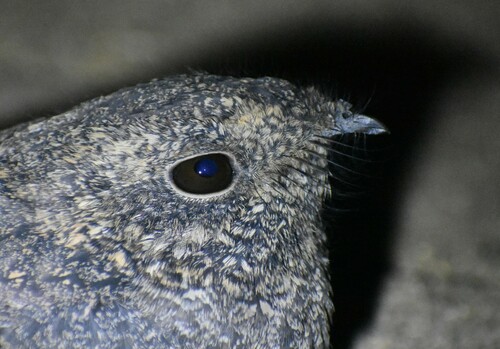 Freckled Nightjar
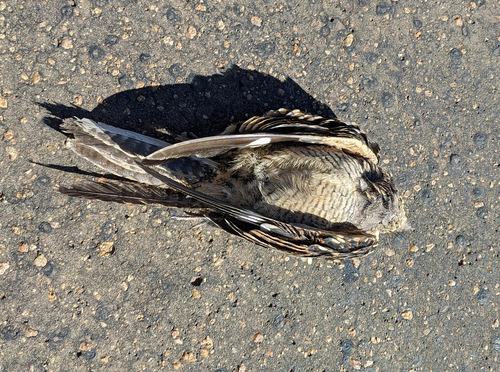 Square-tailed Nightjar
In breve
Il segno di campo più affidabile per separare il Freckled Nightjar dallo Square-tailed Nightjar è la combinazione di struttura generale e forma della coda: il Freckled Nightjar è più robusto, con una coda relativamente corta e arrotondata, mentre lo Square-tailed Nightjar è più snello con una punta della coda visibilmente più quadrata. In volo, i maschi adulti di Freckled Nightjar mostrano piccole macchie bianche sulle primarie esterne e punte bianche sulle penne della coda esterna, mentre le femmine di Freckled Nightjar mancano del bianco sulla coda e hanno macchie alari più piccole; lo Square-tailed Nightjar non mostra questi schemi. Il Freckled Nightjar appare molto più scuro e più macchiato, specialmente a riposo, mimetizzandosi nel terreno roccioso, mentre lo Square-tailed Nightjar è più chiaro e meglio adattato al suolo boschivo. Anche la dimensione è un forte indizio: il Freckled è sostanzialmente più pesante e robusto. L'habitat e il jizz, specialmente quando combinati con la forma della coda e lo stile di volo, sono fondamentali per la separazione sul campo.
Consigli di identificazione
- Forma della Coda: Il Freckled Nightjar ha una coda relativamente corta e arrotondata; la coda dello Square-tailed Nightjar è più quadrata alla punta. Questo è più evidente in volo o quando la coda è aperta.
- Bianco nelle Ali e nella Coda (Maschi Adulti): In volo, i maschi adulti di Freckled Nightjar mostrano piccole macchie bianche sulle quattro primarie esterne e punte bianche sulle due penne della coda. Lo Square-tailed Nightjar manca di entrambe queste caratteristiche. Le femmine di Freckled Nightjar hanno macchie alari bianche più piccole e nessun bianco sulla coda, ma comunque più rispetto allo Square-tailed.
- Costruzione Generale: Il Freckled Nightjar è più robusto, più pesante e più muscoloso, con un petto ampio e una testa grande; lo Square-tailed Nightjar è più snello e leggero, con un aspetto più delicato.
- Tono del Piumaggio: Il Freckled Nightjar appare molto più scuro nel complesso (grigio scuro fino a quasi nero a distanza), con una densa macchiatura e barre; lo Square-tailed Nightjar è più chiaro e meno marcato.
- Contesto di Mimetizzazione: Il piumaggio del Freckled Nightjar è perfettamente abbinato a terreni rocciosi o sassosi; lo Square-tailed Nightjar è meglio mimetizzato su suoli sabbiosi o boschivi.
- Aspetto in Perché: Quando è posato, il Freckled Nightjar appare più massiccio e scuro, spesso mimetizzandosi tra le rocce; lo Square-tailed Nightjar appare più snello e chiaro, mimetizzandosi nel lettame boschivo.
- Habitat: Il Freckled Nightjar si trova quasi sempre su o vicino a rocce, massi o sponde rocciose; lo Square-tailed Nightjar si trova in boschi, savane o terreni aperti sabbiosi, raramente su rocce.
- Stile di Volo: Il volo del Freckled Nightjar è forte e diretto, spesso con brevi salti da un posatoio; lo Square-tailed Nightjar può apparire più galleggiante e meno potente in volo.
- Dimorfismo Sessuale: Solo i maschi di Freckled Nightjar mostrano punte bianche sulle penne della coda esterna; entrambi i sessi dello Square-tailed Nightjar mancano di questa caratteristica.
- Visibilità delle Macchie Bianche: Le macchie bianche sulle ali e sulla coda del Freckled Nightjar sono visibili solo in volo, non quando è posato con le ali ripiegate—non fare affidamento su questi segni a meno che tu non veda l'uccello volare.
- Vocalizzazione: Se sentito, il canto alternato veloce-lento dello Square-tailed Nightjar è distintivo; il richiamo del Freckled Nightjar non è descritto qui, quindi usa la voce solo se sei sicuro del canto dello Square-tailed.
- Dimensione a Mano o da Vicino: Se hai un confronto diretto o una buona visione, la dimensione maggiore e la costruzione più pesante del Freckled Nightjar sono chiare; lo Square-tailed Nightjar è visibilmente più piccolo.
- Possibile Trappola: In scarsa luce o a distanza, entrambe le specie possono sembrare simili—concentrati sulla forma della coda, sull'habitat e su eventuali bianchi nelle ali o nella coda in volo.
- Uccelli Giovanili/Immaturi: Nessuna nota specifica sul piumaggio immaturo, quindi fai affidamento su struttura, forma della coda e habitat per i giovani uccelli.
- Sovrapposizione della Distribuzione: Entrambe le specie si trovano negli Afrotropici, ma il Freckled Nightjar è più distribuito in modo irregolare e legato ad aree rocciose, mentre lo Square-tailed Nightjar è diffuso nei boschi a sud dell'equatore.
Taglia
Il Freckled Nightjar è un uccello molto più pesante e robusto (79g contro 58g [wikidata]), con un aspetto massiccio, un petto ampio e lunghe ali ma una coda relativamente corta. Lo Square-tailed Nightjar è visibilmente più leggero e snello, con un aspetto più allungato e meno massiccio. Questa differenza è spesso evidente sia in volo che quando è posato, specialmente se vedi entrambe le specie nella stessa regione. La costruzione più pesante del Freckled Nightjar è accentuata dalla sua ampia apertura e dalla testa robusta, mentre lo Square-tailed Nightjar appare più delicato nel complesso.
Piumaggio
Non ci sono note dettagliate sui modelli delle ali superiori giovanili o immaturi per entrambe le specie, quindi i principali contrasti sono nel piumaggio adulto. Gli adulti di Freckled Nightjar appaiono grigio scuro fino a quasi nero a distanza, con una densa macchiatura bianca, cannella e buff sulle parti superiori e forti barre sotto; questo modello criptico è un'ottima mimetizzazione sulle rocce. I maschi mostrano piccole macchie bianche sulle quattro primarie esterne e punte bianche sulle due penne della coda in volo; le femmine hanno 3–4 macchie bianche più piccole sulle primarie esterne ma mancano del bianco sulla coda. Questi segni bianchi non sono visibili quando l'uccello è posato con le ali ripiegate. Lo Square-tailed Nightjar manca di queste macchie bianche sulle primarie e sulla coda, ed è invece più chiaro nel complesso, con un aspetto meno densamente macchiato e una coda che appare più quadrata alla punta. La forma della coda è un segno chiave sul campo: la coda del Freckled Nightjar è relativamente corta e arrotondata, mentre quella dello Square-tailed Nightjar è più quadrata, anche se non perfettamente. Entrambe le specie sono sessualmente dimorfiche, ma il contrasto nei segni bianchi è più pronunciato nel Freckled Nightjar.
Comportamento
Il Freckled Nightjar di solito si nutre saltando da posatoi rocciosi, planando per catturare insetti e tornando allo stesso punto, spesso su massi o sponde rocciose. La sua attività raggiunge il picco al crepuscolo e all'alba, ed è ben adattato a paesaggi aperti e rocciosi. Lo Square-tailed Nightjar preferisce il suolo boschivo, comportandosi più come altri nightjar boschivi, ed è meno legato alle rocce. Entrambe le specie sono cacciatori notturni di insetti, ma la maggiore apertura del Freckled Nightjar gli consente di catturare prede più grandi. Il Freckled Nightjar è più probabile che venga visto immobile sulle rocce durante il giorno, facendo affidamento sulla sua mimetizzazione.
Habitat
Il Freckled Nightjar è fortemente associato a affioramenti rocciosi, campi di massi e terreni fratturati, dove il suo piumaggio fornisce un'eccellente mimetizzazione. È distribuito in modo irregolare ma comune localmente in habitat rocciosi adatti. Lo Square-tailed Nightjar è un uccello delle foreste tropicali e subtropicali, che favorisce terreni sabbiosi o aperti all'interno di boschi o savane, e non è legato a terreni rocciosi. Se trovi un nightjar su una roccia nuda o un masso, specialmente in campagna aperta, è molto più probabile che sia un Freckled Nightjar; in boschi o savane, specialmente su suolo sabbioso, lo Square-tailed Nightjar è la norma.
Voce
Lo Square-tailed Nightjar ha un richiamo distintivo: un lungo cinguettio che alterna tra ritmi veloci e lenti ogni secondo, che è diverso dai richiami di altri nightjar nella regione. Non c'è una descrizione vocale specifica per il Freckled Nightjar in queste note, quindi la voce non è un separatore affidabile a meno che tu non sia familiare con il modello unico di cinguettio dello Square-tailed.
Freckled Nightjar · Square-tailed Nightjar · I miei uccelli difficili