

Piviere dorato vs Corriere piccolo
Pluvialis apricaria contro Thinornis dubius
Fai un quiz con Piviere dorato e Corriere piccolo
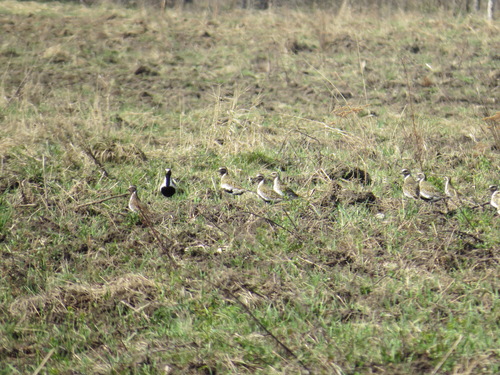 Piviere dorato
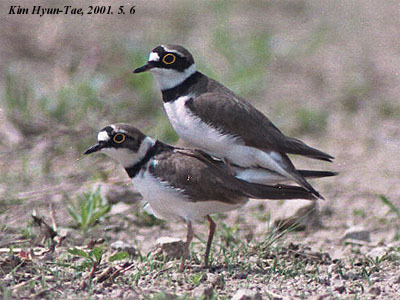 Corriere piccolo
In breve
Il segno di campo più affidabile per separare il Piviere dorato dal Corriere piccolo è la dimensione e la struttura: il Piviere dorato è molto più grande e massiccio, con un corpo robusto e ali solo leggermente più lunghe della coda, mentre il Corriere piccolo è piccolo, snello e compatto. In volo, il Piviere dorato mostra piume ascellari bianche, mentre il Corriere piccolo non presenta questa caratteristica. A terra, il Piviere dorato ha una distintiva banda bianca a forma di 'S' dalla fronte ai fianchi, mentre il Corriere piccolo è contrassegnato da una maschera nera audace, una singola banda nera attorno al collo e un anello oculare giallo brillante. Queste differenze sono evidenti in tutte le livree e età, rendendo poco probabile la confusione con un'osservazione attenta.
Consigli di identificazione
- La dimensione è il separatore più veloce: Il Piviere dorato è molto più grande e pesante del Corriere piccolo. Se l'uccello appare piccolo e delicato, è quasi certamente un Corriere piccolo.
- Ascellari bianchi in volo: Il Piviere dorato mostra piume ascellari bianche quando vola o si allunga; il Corriere piccolo no. Questo è un segno chiave per tutte le età.
- Forma del corpo: Il Piviere dorato è massiccio e robusto, con una coda corta e ali larghe. Il Corriere piccolo è compatto, con un becco e zampe più corti, e un aspetto più delicato.
- Schema facciale: Il Corriere piccolo ha una maschera nera attorno agli occhi, una fronte bianca e un anello oculare giallo brillante—unico e ovvio a distanza ravvicinata. Il Piviere dorato non presenta queste caratteristiche.
- Banda attorno al collo: Il Corriere piccolo mostra sempre una singola e ordinata banda nera attorno al collo. Il Piviere dorato non ha una banda attorno al collo; invece, cerca la banda bianca a forma di 'S' in livrea di riproduzione.
- Contrasto della livrea di riproduzione: Il Piviere dorato in livrea di riproduzione mostra una banda bianca audace dalla fronte ai fianchi e una faccia/pancia scura. Il Corriere piccolo è molto più semplice, con parti superiori marroni e parti inferiori bianche, contrassegnato solo dalla banda attorno al collo e dalla maschera.
- Colore delle zampe: Il Corriere piccolo ha zampe color carne; il colore delle zampe del Piviere dorato è meno distintivo e non è un segno di campo primario qui.
- Azione di volo: Il Piviere dorato vola con battiti d'ali forti e regolari e appare potente. Il volo del Corriere piccolo è più leggero e più fluttuante.
- Contesto dell'habitat: Se ti trovi in torbiere montane o tundra, è più probabile che tu veda un Piviere dorato. In cave di ghiaia, rive di fiumi o spiagge sabbiose, aspettati di vedere un Corriere piccolo.
- Vocalizzazione: Ascolta il richiamo discendente 'tuu' del Piviere dorato. Il richiamo del Corriere piccolo non è dettagliato qui, quindi fai affidamento sui segni visivi.
- Comportamento di gruppo: I Pivieri dorati si trovano spesso in gruppi più grandi e sciolti, specialmente al di fuori della stagione di riproduzione. I Corrieri piccoli sono spesso visti singolarmente o in piccoli gruppi.
- Lunghezza relativa delle zampe: Entrambe le specie hanno zampe relativamente corte, ma quelle del Corriere piccolo sono proporzionalmente più corte e color carne.
- Forma del becco: Il Corriere piccolo ha un becco corto e fine; il becco del Piviere dorato è più robusto ma non così distintivo come altri segni.
- Confusione giovanile: Non sono forniti segni specifici di volo giovanile, ma le differenze strutturali e facciali persistono in tutte le età.
- Contesto stagionale: Se vedi un uccello con segni audaci, un anello oculare giallo e una maschera nera in primavera o estate, è quasi certamente un Corriere piccolo.
Taglia
Il Piviere dorato è sostanzialmente più pesante e più grande (massa corporea ~175g) del Corriere piccolo (non elencato, ma universalmente molto più piccolo e leggero). Il Piviere dorato appare massiccio e robusto, con una coda relativamente corta e ali larghe. Al contrario, il Corriere piccolo è minuto, con una struttura compatta e delicata e un becco e zampe più corti. La differenza di dimensione è evidente anche a distanza, specialmente quando entrambe le specie sono viste insieme o con specie di riferimento familiari.
Piumaggio
- Livree giovanili e immature: Non sono notati segni specifici relativi all'età per le ali superiori o i modelli di volo per nessuna delle due specie in queste fonti, ma il Piviere dorato (tutte le età) mostra ascellari bianche in volo, mentre il Corriere piccolo no. Questo è un segno chiave quando gli uccelli volano o si allungano le ali.
- Livrea di riproduzione adulta: Il Piviere dorato presenta una striking banda bianca a forma di 'S' che corre dalla fronte lungo i lati del collo fino ai fianchi, in contrasto con una faccia e parti inferiori scure. Gli adulti del Corriere piccolo hanno una singola banda nera attorno al collo, una maschera nera attorno agli occhi, una fronte bianca e un anello oculare giallo brillante. Le loro parti superiori sono marroni e le parti inferiori sono bianche pulite, tranne che per la banda attorno al collo.
- Livrea non di riproduzione: Entrambe le specie diventano più opache, ma le differenze strutturali e di schema facciale persistono. Il Piviere dorato perde parte del suo forte contrasto ma rimane più grande e più spesso, mentre il Corriere piccolo mantiene la sua maschera e l'anello oculare giallo.
Comportamento
Il Piviere dorato si muove tipicamente con un passo costante e deciso e spesso sta in piedi eretto, apparendo robusto. In volo, è rapido e potente, con battiti d'ali regolari. Il Corriere piccolo è più attivo e veloce, spesso correndo in brevi scatti, fermandosi e oscillando. Il suo volo è più leggero e più fluttuante, in linea con la sua dimensione e struttura più piccole.
Habitat
Il Piviere dorato predilige habitat di torbiere aperte, tundra e prati, spesso in aree montane o remote, specialmente durante la riproduzione. In migrazione e inverno, può essere trovato in campi aperti e pianure costiere. Il Corriere piccolo preferisce cave di ghiaia, spiagge sabbiose, rive di fiumi e altri habitat aperti, spesso disturbati, di pianura. È meno probabile trovarlo in ambienti montani o di tundra, e più spesso vicino a margini di acqua dolce o fangosi.
Voce
Il Piviere dorato emette un richiamo monosillabico, leggermente discendente e malinconico 'tuu', specialmente in volo. Il richiamo del Corriere piccolo non è descritto nelle note fornite, quindi la vocalizzazione è meno affidabile per la separazione in questo contesto.
Piviere dorato · Corriere piccolo · I miei uccelli difficili