

Eastern Crowned Warbler vs Luì boreale
Phylloscopus coronatus contro Phylloscopus borealis
Fai un quiz con Eastern Crowned Warbler e Luì boreale
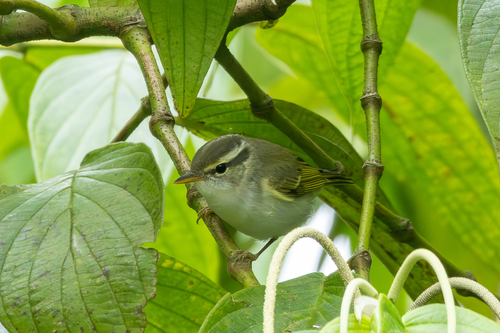 Eastern Crowned Warbler
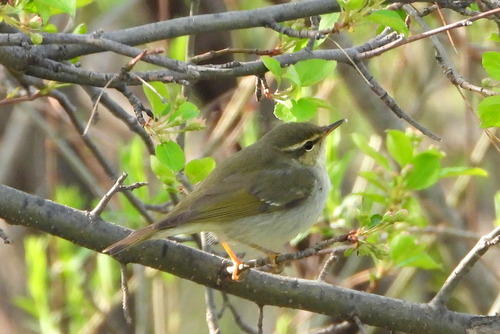 Luì boreale
In breve
Il segno di campo più affidabile per separare l'Eastern Crowned Warbler dal Luì boreale è il distintivo schema della testa: l'Eastern Crowned Warbler mostra una forte striscia laterale scura sulla corona con una striscia mediana giallastra e un lungo supercilium pallido, mentre il Luì boreale ha un volto più semplice e manca delle audaci strisce sulla corona. Entrambe le specie mostrano una singola striscia alare pallida, ma l'Eastern Crowned Warbler è di un verde oliva più brillante sopra e più bianco sotto, mentre il Luì boreale è di un verde grigiastro sopra e bianco sporco sotto. La struttura del becco e le sottili differenze nel colore delle guance e del supercilium possono anche aiutare. Sul campo, concentrati sullo schema della testa e sulla luminosità generale, poiché entrambe possono mostrare strisce alari simili e una struttura generale.
Consigli di identificazione
- Head pattern is key: L'Eastern Crowned Warbler mostra una forte striscia laterale scura sulla corona con una striscia mediana giallastra; il Luì boreale manca di queste strisce sulla corona e appare con una testa più semplice. Questo vale per tutte le età e stagioni.
- Supercilium: L'Eastern Crowned Warbler ha un lungo supercilium giallastro-bianco che spicca contro la corona e le lore più scure. Il supercilium del Luì boreale è meno contrastante e più pallido, fondendosi di più con il volto.
- Cheek color: Cerca guance giallastre scure sull'Eastern Crowned Warbler; le guance del Luì boreale sono semplici e bianco sporco.
- Upperparts color: L'Eastern Crowned Warbler è di un verde oliva scuro sopra, dando un'impressione più brillante. Il Luì boreale è di un verde grigiastro, apparendo più opaco nel complesso.
- Underparts: L'Eastern Crowned Warbler è bianco sotto, mentre il Luì boreale è bianco sporco—sottile, ma può aiutare in buona luce.
- Wingbar: Entrambe le specie mostrano una singola striscia alare pallida; non utilizzare questo segno da solo per la separazione.
- Bill structure: Il Luì boreale ha un becco più pesante, simile a un pugnale, con una punta scura sulla mandibola inferiore. Il becco dell'Eastern Crowned Warbler è forte e robusto ma più pallido nel complesso.
- Tail shape: La coda dell'Eastern Crowned Warbler è quadrata con una leggera forcella; la forma della coda del Luì boreale non è descritta come distintiva, quindi questo è solo un carattere di supporto minore.
- Leg color: L'Eastern Crowned Warbler ha zampe scure, ma questo non è contrastato con il Luì boreale nelle fonti e dovrebbe essere usato con cautela.
- Flight views: Non sono descritte differenze distintive nel pattern alare o nel volo per gli immaturi o gli adulti; fare affidamento sullo schema della testa e del volto anche in volo.
- Behavior: Entrambe le specie sono attive e si nutrono nel fogliame; non aspettarti differenze comportamentali per separarle.
- Habitat: Usare con cautela—l'Eastern Crowned Warbler preferisce foreste mature, il Luì boreale si trova più spesso in boschi di betulle/misti vicino all'acqua, ma entrambe possono sovrapporsi, specialmente durante la migrazione.
- Voice: Se canta, il Luì boreale emette un rapido trill; il canto dell'Eastern Crowned Warbler non è descritto qui, quindi utilizzare la voce solo se il trill è udito.
- Season and range: Entrambe possono verificarsi come migratori al di fuori dei loro areali di nidificazione, quindi non fare affidamento solo sulla posizione tranne che in situazioni estreme fuori dal range.
- Pitfalls: La singola striscia alare è condivisa; non confondere questo con il Luì verdastro, che è più piccolo e ha una struttura del becco diversa.
Taglia
L'Eastern Crowned Warbler è un warbler di dimensioni medie con una massa corporea di circa 10,1 g [wikidata]. Il Luì boreale è simile in dimensioni e struttura, e non è nota alcuna differenza di dimensioni significativa nei dati disponibili. Entrambi sono robusti per i warbler del genere Phylloscopus, e la dimensione da sola non è un separatore affidabile sul campo.
Piumaggio
Per tutte le età, la caratteristica più diagnostica è lo schema della testa: l'Eastern Crowned Warbler ha una forte striscia laterale scura sulla corona con una indistinta striscia mediana giallastra, un lungo supercilium giallastro-bianco e guance giallastre scure. Il Luì boreale manca delle strisce sulla corona e ha un volto più semplice, con un supercilium più sobrio e parti inferiori bianco sporco. Entrambe le specie mostrano una singola striscia alare pallida, quindi questa caratteristica non è utile per la separazione. L'Eastern Crowned Warbler è più colorato, con parti superiori di un verde oliva scuro e parti inferiori bianche, mentre il Luì boreale è di un verde grigiastro sopra e bianco sporco sotto. La forma della coda è leggermente diversa: l'Eastern Crowned Warbler ha una coda quadrata, leggermente forcuta, ma questo è sottile. Non sono descritte nelle fonti differenze specifiche di pattern alare o di volo per età per nessuna delle due specie.
Comportamento
Entrambe le specie sono warbler tipici nelle loro movenze e nello stile di foraggiamento, spesso attive nel fogliame. Non sono notate differenze comportamentali distintive nelle fonti disponibili che possano separarle affidabilmente sul campo.
Habitat
L'Eastern Crowned Warbler abita foreste boreali e temperate nell'est del Paleartico, spesso in boschi maturi. Il Luì boreale nidifica in foreste di betulle o miste vicino all'acqua in tutta la Fennoscandia, nel Paleartico settentrionale e in Alaska, e sverna nel sud-est asiatico. Anche se entrambe possono verificarsi in habitat forestali simili, il Luì boreale è più associato a betulle e alla prossimità all'acqua, specialmente nel suo areale di nidificazione. Tuttavia, l'habitat da solo non è diagnostico dove gli areali si sovrappongono o durante la migrazione.
Voce
Il Luì boreale ha un canto distintivo a trill veloce, che non è descritto per l'Eastern Crowned Warbler nelle note disponibili. Se udito cantare, il rapido trill del Luì boreale può essere un utile indizio, ma gli uccelli silenziosi richiedono identificazione visiva.
Eastern Crowned Warbler · Luì boreale · I miei uccelli difficili