

Luì scuro vs Luì grosso
Phylloscopus fuscatus contro Phylloscopus trochilus
Fai un quiz con Luì scuro e Luì grosso
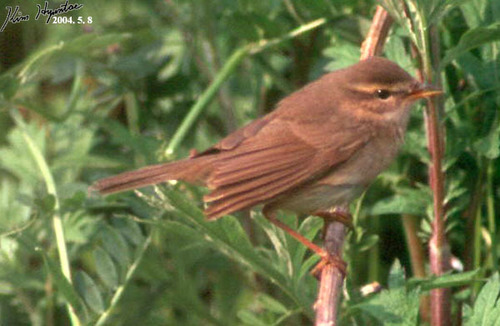 Luì scuro
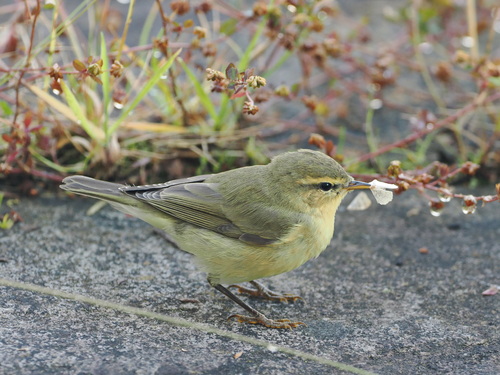 Luì grosso
In breve
Il segno di campo più affidabile tra Luì scuro e Luì grosso è il tono di colore generale: Luì scuro è un uccello marrone scuro, piuttosto semplice, con parti inferiori color crema e un forte sopracciglio biancastro, mentre Luì grosso è più chiaro, più verdastro o giallastro sopra e sotto, specialmente nei giovani. Luì grosso ha anche un becco più lungo e più chiaro e una forma più elegante e snella con una proiezione primaria più lunga. Entrambe le specie non hanno barre alari, ma Luì grosso appare spesso più luminoso e più giallastro, specialmente nel piumaggio fresco. Sul campo, Luì scuro appare più trasandato e compatto, mentre Luì grosso è più grazioso e mostra spesso toni gialli sulle parti inferiori.
Consigli di identificazione
- Overall color tone: Luì scuro è marrone semplice sopra e color crema sotto, mentre Luì grosso è marrone verdastro sopra e bianco sporco a giallastro sotto. Questo è il segno di campo più consistente in tutte le età e stagioni.
- Supercilium: Luì scuro mostra un forte e prominente sopracciglio biancastro (sopracciglio), spesso più evidente rispetto a Luì grosso, che ha un sopracciglio meno marcato.
- Yellow tones: Luì grosso, specialmente i giovani, mostrano toni giallastri o verdastri sulle parti inferiori e talvolta sul viso, cosa che Luì scuro non mostra mai. Se vedi un chiaro giallo, è Luì grosso.
- Bill: Luì grosso ha un becco più lungo e più chiaro, mentre il becco di Luì scuro è fine, appuntito e generalmente più scuro. Il colore e la lunghezza del becco sono meglio giudicati in buona luce e da vicino.
- Primary projection: Luì grosso ha una proiezione primaria notevolmente più lunga (le punte delle ali si estendono oltre le terziarie quando è posato), conferendogli un aspetto più elegante ed allungato rispetto al compatto Luì scuro. Questo è più utile sugli uccelli posati.
- Leg color: Anche se non dettagliato per Luì scuro qui, le gambe di Luì grosso sono di un giallo-rosato più chiaro (non nerastro come nel pispola), ma questo non è un forte separatore da Luì scuro.
- Wingbars: Entrambe le specie non hanno barre alari; non usare questo come separatore.
- Juvenile plumage: I giovani di Luì grosso sono distintamente più gialli sotto rispetto agli adulti o a qualsiasi Luì scuro. I giovani di Luì scuro possono essere leggermente più olivastri sopra, ma mai gialli sotto.
- Behavior: Luì grosso è più probabile che venga visto attivamente mentre cerca cibo in boschi aperti o cespugli, mentre Luì scuro è più schivo e preferisce coperture dense.
- Habitat: In Europa occidentale, Luì grosso è comune in boschi aperti e cespugli, mentre Luì scuro è un raro migrante o vagabondo, di solito in densi e umidi cespugli.
- Voice: Il canto di Luì grosso è un semplice fischio discendente, e il suo richiamo è un disillabico 'hoo-eet'. Il richiamo di Luì scuro (non descritto qui) è un 'tack' acuto, molto diverso dalle vocalizzazioni di Luì grosso. Se senti il canto, l'identificazione è semplice.
- Season: Luì grosso è presente in Europa principalmente in primavera e estate (riproduzione), mentre Luì scuro è probabile solo in autunno o inverno come raro migrante o vagabondo.
- Structure: Luì grosso appare più snello e allungato, specialmente in volo o quando è posato con le ali chiuse, a causa della sua proiezione primaria più lunga. Luì scuro è più compatto e meno elegante.
- Sex differences: Entrambe le specie sono sessualmente monomorfiche; il sesso non è un utile segno di campo.
- Pitfalls: Non confondere i toni giallastri di Luì grosso con Luì scuro; se l'uccello è marrone semplice e color crema con un forte sopracciglio e senza giallo, è Luì scuro.
Taglia
Entrambe le specie sono simili in dimensioni e forma ai pispola e tra di loro, con Luì grosso tipicamente lungo 11–12,5 cm e pesante 7–15 g [wikipedia]. Luì scuro è descritto come simile in dimensioni e forma a un pispola, quindi qualsiasi differenza di dimensioni è trascurabile sul campo. La struttura è più utile delle dimensioni: Luì grosso ha una proiezione primaria più lunga (punta dell'ala) e un aspetto leggermente più allungato ed elegante, mentre Luì scuro è più compatto.
Piumaggio
- Juvenile/First-year birds: I giovani di Luì grosso sono visibilmente più gialli sotto rispetto agli adulti, spesso con un lato superiore marrone verdastro e parti inferiori bianche a giallastre. I giovani di Luì scuro sono più olivastri sopra rispetto agli adulti, ma mancano ancora di toni gialli forti e rimangono complessivamente marroni e color crema.
- Adults: Gli adulti di Luì scuro sono marroni semplici sopra e color crema sotto, con un prominente sopracciglio biancastro e senza striature o barre alari. Gli adulti di Luì grosso sono marrone verdastro sopra e bianco sporco a giallastro sotto, senza barre alari ma con un aspetto generalmente più luminoso e fresco. Entrambe le specie mancano di barre alari e hanno ali semplici, ma Luì grosso è solitamente più luminoso e colorato, specialmente in primavera e estate.
- Aging in the field: I toni giallastri o verdastri di Luì grosso (specialmente nei giovani) sono un contrasto chiave rispetto al Luì scuro più opaco e marrone di qualsiasi età.
Comportamento
Luì grosso è tipicamente più attivo e agile, spesso visto svolazzare tra il fogliame di boschi aperti e talvolta sospeso o inseguendo insetti. Luì scuro tende a essere più schivo, mantenendosi basso in folti sottoboschi o cespugli, ed è meno probabile che venga visto in situazioni aperte. In volo, Luì grosso può apparire più allungato a causa delle sue ali più lunghe, mentre Luì scuro appare più compatto.
Habitat
Luì grosso è un riproduttore diffuso in boschi aperti, specialmente con betulle, ontani e salici, ed è comune in tutta Europa settentrionale e temperata e nel Paleartico. Luì scuro nidifica nel Paleartico orientale ed è tipicamente trovato in habitat densi e cespugliosi, spesso vicino all'acqua o in folti sottoboschi. In Europa occidentale, Luì scuro è un raro migrante o vagabondo, di solito trovato in copertura densa durante la migrazione o l'inverno, mentre Luì grosso è comune e diffuso in boschi e cespugli adatti.
Voce
Luì grosso ha un fischio discendente distintivo, semplice e ripetitivo per il suo canto, e un richiamo disillabico 'hoo-eet'. Le vocalizzazioni di Luì scuro non sono descritte nelle note fornite, ma non è probabile che vengano confuse con il canto di Luì grosso. La voce è un forte separatore se udita: il canto di Luì grosso è unico tra i luì, mentre il richiamo di Luì scuro è un 'tack' acuto (non descritto qui), molto diverso dai richiami di Luì grosso.