

Drab-breasted Pygmy-Tyrant vs Pearly-vented Tody-Tyrant
Hemitriccus diops contro Hemitriccus margaritaceiventer
Fai un quiz con Drab-breasted Pygmy-Tyrant e Pearly-vented Tody-Tyrant
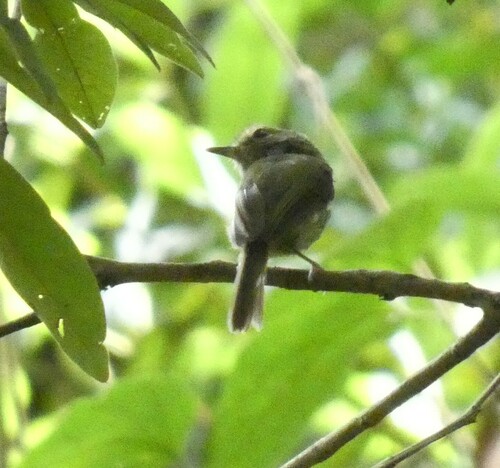 Drab-breasted Pygmy-Tyrant
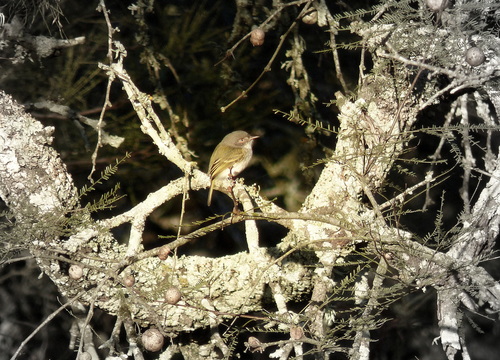 Pearly-vented Tody-Tyrant
In breve
Il segno di campo più affidabile per separare il Drab-breasted Pygmy-Tyrant dal Pearly-vented Tody-Tyrant è la presenza di barre alari audaci e una parte inferiore molto più chiara e bianca nel secondo, rispetto alle ali semplici, di tonalità oliva e al petto grigio-rosato opaco del primo. Entrambi sono piccoli tyrannulets di colore oliva-marrone, ma il Drab-breasted Pygmy-Tyrant è complessivamente più semplice con una corona oliva più scura e poco contrasto, mentre il Pearly-vented Tody-Tyrant mostra una corona grigia, due barre alari chiare e una pancia più bianca. Sul campo, cerca le sottili ma diagnostiche differenze nel modello delle ali e nel colore della parte inferiore, specialmente quando gli uccelli sono appollaiati o sbattono brevemente le ali. Entrambe le specie si sovrappongono in alcune parti del sud America, quindi prestare attenzione a questi dettagli del piumaggio è essenziale.
Consigli di identificazione
- Wing pattern is key: Il Pearly-vented Tody-Tyrant mostra sempre due barre alari chiare su ali scure, visibili anche a distanza o in brevi sbattimenti delle ali; le ali del Drab-breasted Pygmy-Tyrant sono semplici olive con al massimo una leggera bordatura chiara sulle secondarie più interne, mai vere barre alari. Questo è il segno più affidabile in tutte le età e stagioni.
- Crown color: Il Drab-breasted Pygmy-Tyrant ha una corona verde oliva scura che si fonde con la schiena; il Pearly-vented Tody-Tyrant ha una corona grigia (o grigio-marrone in alcune sottospecie) che contrasta con la schiena, specialmente nelle forme nominate e settentrionali.
- Underparts: Il Drab-breasted Pygmy-Tyrant ha un petto grigio opaco con una sfumatura rosata o purpurea e un leggero crescente bianco che lo separa dalla pancia bianca; il Pearly-vented Tody-Tyrant è molto più bianco sotto, con solo leggere striature grigie e senza lavaggio rosato.
- Facial pattern: Entrambi hanno un anello oculare bianco e lore chiare, ma il viso del Drab-breasted Pygmy-Tyrant è complessivamente oliva, mentre il viso del Pearly-vented Tody-Tyrant è più grigio e contrastante, specialmente attorno all'occhio.
- Back and rump: Il Drab-breasted Pygmy-Tyrant è semplicemente verde oliva scuro sopra; il Pearly-vented Tody-Tyrant è grigio-marrone opaco a marrone oliva, a volte con una leggera sfumatura oliva o buff a seconda della sottospecie, ma sempre meno uniformemente oliva rispetto al Drab-breasted.
- Tail color: Entrambi hanno code scure o olive, ma questo non è un forte separatore.
- Bill and legs: Entrambi hanno un mandibile inferiore chiaro e zampe grigie o rosate, non un segno di campo affidabile.
- Iris color: Il Drab-breasted Pygmy-Tyrant ha un'iride marrone rossiccia; il Pearly-vented Tody-Tyrant ha un'iride chiara. Questo può aiutare a distanza ravvicinata in buona luce.
- Size: Entrambi sono minuscoli, ma il Drab-breasted Pygmy-Tyrant pesa mediamente leggermente di più (10 g contro 7–10 g), non utile sul campo.
- Habitat context: In bambù o sottobosco di foresta densa, sospetta il Drab-breasted Pygmy-Tyrant; in cespugli aperti, pascoli o margini boschivi, il Pearly-vented Tody-Tyrant è più probabile, ma gli areali si sovrappongono nel sud del Brasile, Argentina e Paraguay.
- Subspecies variation: Il Pearly-vented Tody-Tyrant ha diverse sottospecie con lievi differenze nel piumaggio (ad es., colore della corona e della pancia), ma tutte mostrano barre alari e una pancia più chiara rispetto al Drab-breasted Pygmy-Tyrant.
- No strong seasonal or sex differences: Entrambe le specie hanno piumaggio simile tutto l'anno e tra i sessi, quindi tutti i segni si applicano in tutte le stagioni.
- Juvenile/immature plumage: Non sono descritti modelli distintivi di ali o volo per nessuna delle due specie, quindi fare riferimento ai segni degli adulti per tutte le età.
- Voice: Non descritto nelle fonti, quindi non è un separatore sicuro qui.
- Pitfalls: Il Drab-breasted Pygmy-Tyrant può apparire leggermente più chiaro sotto in luce brillante, ma non mostra mai vere barre alari o una corona grigia; il Pearly-vented Tody-Tyrant può sembrare più opaco in piumaggio usurato, ma mantiene sempre un certo contrasto nelle ali e nelle parti inferiori.
Taglia
Entrambe le specie sono piccoli moschettieri, con il Drab-breasted Pygmy-Tyrant che misura mediamente circa 11 cm di lunghezza e 10 g di massa, e il Pearly-vented Tody-Tyrant molto simile in lunghezza (10–11 cm) ma leggermente più leggero (7–10 g). In mano o a distanza ravvicinata, il Drab-breasted Pygmy-Tyrant può apparire marginalmente più robusto, ma questo non è un segno di campo affidabile; entrambi sono tra i più piccoli moschettieri e la sovrapposizione delle dimensioni è estesa.
Piumaggio
Non ci sono modelli di ali specifici per età descritti per nessuna delle due specie, quindi ci si concentra sul piumaggio adulto e generale. Il Drab-breasted Pygmy-Tyrant è molto semplice: la corona, la schiena, le ali e la coda sono tutte di un verde oliva scuro con poco contrasto, e le ali non presentano barre o pannelli evidenti, sebbene le secondarie più interne possano avere bordi chiari deboli. Il viso ha una macchia bianca sopra le lore e un anello oculare bianco, ma altrimenti è oliva. La gola e il petto sono grigi opachi con una sfumatura rosata o purpurea, separati da un leggero crescente bianco, e la pancia è bianca con una sfumatura giallastra sul crissum. Il Pearly-vented Tody-Tyrant, al contrario, ha una corona grigia (non oliva), una schiena grigio-marrone a marrone oliva, e crucialmente, ali scure con bordi buff o giallastri sulle penne di volo e due barre alari chiare formate dalle punte chiare delle copritrici. Le sue parti inferiori sono molto più chiare—bianche con leggere striature grigie—e il viso è più grigio, con un anello oculare e lore bianche. Esiste una variazione tra le sottospecie, ma tutte le forme mostrano più contrasto e un modello di ali rispetto al Drab-breasted Pygmy-Tyrant.
Comportamento
Il comportamento non è fortemente diagnostico tra queste due specie. Entrambi sono tipici piccoli tyrannulets, spesso visti appollaiati in basso o a livello medio in vegetazione densa, facendo brevi attacchi per gli insetti. Il Drab-breasted Pygmy-Tyrant è talvolta associato al bambù, mentre il Pearly-vented Tody-Tyrant è più spesso in habitat aperti, cespugliosi o ai margini. Entrambi possono sbattere le ali e le code, ma questo non è un separatore affidabile.
Habitat
Il Drab-breasted Pygmy-Tyrant è più ristretto nell'areale, trovato in Argentina, Brasile e Paraguay, ed è spesso associato a bambù o sottobosco di foresta densa. Il Pearly-vented Tody-Tyrant è molto più diffuso, presente in quasi tutti i paesi del Sud America continentale tranne Cile, Ecuador, Guiana Francese e Suriname, e si trova in una vasta gamma di habitat cespugliosi, asciutti e ai margini, inclusi cespugli aridi, pascoli e margini boschivi. Se visto in aree molto secche, aperte o cespugliose, è più probabile che si tratti di un Pearly-vented Tody-Tyrant, mentre il Drab-breasted Pygmy-Tyrant preferisce habitat più umidi, densi o ricchi di bambù.
Drab-breasted Pygmy-Tyrant · Pearly-vented Tody-Tyrant · I miei uccelli difficili