
Cannaiola comune vs Salciaiola
Acrocephalus scirpaceus contro Locustella luscinioides
Fai un quiz con Cannaiola comune e Salciaiola
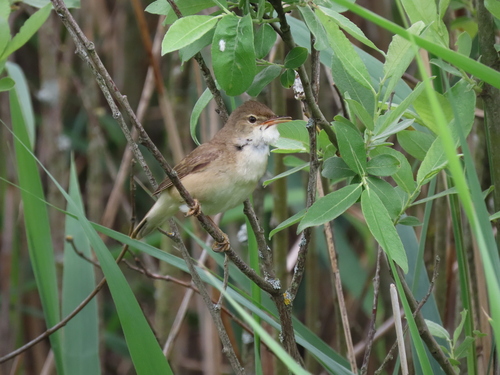 Cannaiola comune
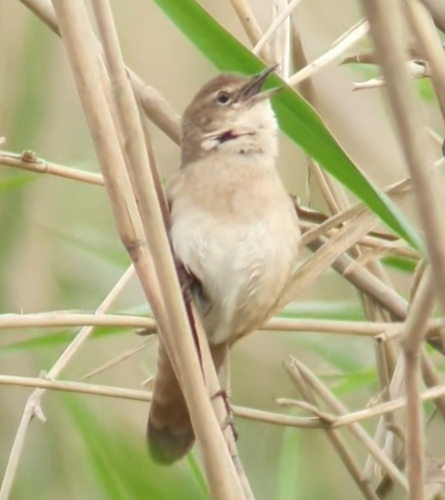 Salciaiola
In breve
Il segno di campo più affidabile tra la Cannaiola comune e la Salciaiola è il loro tono e struttura del piumaggio: la Cannaiola comune è un uccello marrone semplice e non striato con parti inferiori color crema e un becco forte e appuntito, mentre la Salciaiola è più scura, di un marrone rossastro uniforme sopra, con una sottile striscia sopra l'occhio color crema e un becco più snello. La Salciaiola tende anche ad apparire più riservata, ma quando canta, si posiziona in alto sui fusti di canna e produce un trill meccanico distintivo. I piumaggi giovanili e adulti sono abbastanza simili da rendere la struttura e le sottili differenze di colorazione fondamentali sul campo. Entrambe le specie possono essere schive, ma la Salciaiola è ancora più elusiva tranne quando canta.
Consigli di identificazione
- Overall upperpart color: La Salciaiola è di un marrone rossastro uniforme sopra, a volte con una sfumatura verdognola, mentre la Cannaiola comune è di un marrone più chiaro e semplice. Questo è più utile in buona luce e a distanza ravvicinata.
- Underpart tone: La Cannaiola comune ha parti inferiori color crema (color crema più ricco nei giovanili), mentre la Salciaiola mostra fianchi marrone sabbia con un mento, una gola e un ventre bianco-crema. Le parti inferiori della Salciaiola sono generalmente più opache e più uniformi.
- Eye-stripe and face: La Salciaiola ha una striscia sopra l'occhio color crema indistinta e lore scuri, dando un aspetto leggermente mascherato. La Cannaiola comune non ha un supercilio forte e ha un volto più semplice.
- Bill structure: Il becco della Cannaiola comune è forte e appuntito; il becco della Salciaiola è snello e marrone. Questo è sottile ma può aiutare a distanza ravvicinata.
- Head shape: La Cannaiola comune ha una fronte appiattita, mentre la forma della testa della Salciaiola è meno distintiva.
- Song: La Salciaiola canta un trill meccanico, simile a un insetto (di tono più basso e meno prolungato rispetto alla Cannaiola di prato), spesso preceduto da note di ticchettio. Il canto della Cannaiola comune è una sequenza lenta e chiacchierona con fischi e mimetismo, mai un trill.
- Singing posture: La Salciaiola canta da fusti di canna alti e esposti con il becco aperto e la vibrazione della gola visibile. La Cannaiola comune canta da posatoi più bassi o più nascosti.
- Behavior: La Salciaiola è più riservata e raramente vista tranne quando canta; la Cannaiola comune è più probabile da vedere mentre si muove attraverso le canne o si posa in basso.
- Habitat: Entrambe utilizzano i canneti, ma la Salciaiola è più ristretta a stazioni dense ed estese ed è meno probabile allontanarsi dall'habitat ottimale. La Cannaiola comune è più diffusa e adattabile.
- Size: La Salciaiola è leggermente più lunga (14 cm vs. 13 cm) ma questo è raramente utile sul campo.
- Leg color: La Salciaiola ha zampe marroni; il colore delle zampe della Cannaiola comune non è specificato ma non è un segno chiave di campo.
- Juvenile confusion: I giovanili di entrambe le specie sono semplici e non striati sopra; utilizzare la struttura e il colore generale come sopra.
- Flight views: Non sono descritte differenze distintive nei modelli di ali o coda per nessuna delle due specie; la separazione in volo si basa su struttura e colorazione.
- Season: La Salciaiola muta nel piumaggio da riproduzione prima di tornare ai luoghi di nidificazione, ma questo non è un segno di campo forte. Entrambe le specie sono migratorie e si sovrappongono nel tempo.
- Sex differences: Entrambe le specie sono sessualmente monomorfiche nel piumaggio; non fare affidamento sul sesso per l'identificazione.
Taglia
La Cannaiola comune è leggermente più piccola, con una lunghezza media di 13 cm e una massa di 12 g [wikidata], mentre la Salciaiola è lunga circa 14 cm (massa non specificata, ma simile o leggermente più pesante). Sul campo, questa differenza di dimensioni è sottile e raramente diagnostica a meno che gli uccelli non siano affiancati. Entrambi sono warbler di dimensioni medie, ma la Salciaiola può apparire un po' più robusta e con una coda più lunga a causa della sua lunghezza leggermente maggiore.
Piumaggio
- Juvenile and immature plumages: Non sono descritti segni distintivi sulle ali superiori o sul volo per nessuna delle due specie nelle note fornite. Entrambi mancano di striature sopra e hanno parti superiori marroni semplici e non striate, ma la Salciaiola è più scura e più rufosa, mentre la Cannaiola comune è di un marrone più chiaro.
- Adults: La Cannaiola comune mostra un dorso marrone medio non striato e parti inferiori color crema, con una fronte appiattita e un becco forte e appuntito. I giovani uccelli hanno un color crema più ricco sotto ma altrimenti sono simili. La Salciaiola è di un marrone rossastro uniforme sopra (a volte con una sfumatura verdognola), con strisce sopra l'occhio indistinte, lore scuri e parti inferiori marrone sabbia che sono bianco-crema sul mento, gola e ventre. Nel piumaggio da riproduzione, la Salciaiola è leggermente più chiara ma ancora più scura e uniforme rispetto alla Cannaiola comune. Il becco della Salciaiola è snello e marrone, e le zampe sono anch'esse marroni. Entrambi i sessi sono simili in entrambe le specie.
Comportamento
Entrambe le specie si trovano tipicamente in canneti densi e possono essere difficili da vedere. La Cannaiola comune si muove tra le canne con agilità ma è più probabile da vedere mentre si muove tra i fusti o si posa in basso. La Salciaiola è ancora più riservata, di solito rimane nascosta tranne quando canta, momento in cui si arrampica in alto sui fusti di canna e canta con il becco aperto e la gola vibrante. La Salciaiola è meno probabile che venga vista in campo aperto rispetto alla Cannaiola comune, tranne durante il canto. Entrambe si nutrono di insetti, ma la Salciaiola è nota per nutrirsi e riposare occasionalmente in piccoli gruppi dopo la riproduzione.
Habitat
Entrambe le specie nidificano in canneti, paludi e zone umide con vegetazione densa. La Salciaiola è particolarmente associata a canneti estesi e densi e può anche essere trovata in torbiere o aree paludose con acqua aperta, a volte lontano dalle canne dopo la riproduzione. La Cannaiola comune è diffusa in habitat simili ma generalmente è più abbondante e meno ristretta ai canneti più densi. La Salciaiola è più localizzata e meno probabile da incontrare al di fuori dell'habitat ottimale del canneto.
Voce
Il canto della Cannaiola comune è una sequenza lenta e chiacchierona 'jit-jit-jit' con fischi acrocefalini e un po' di mimetismo. La Salciaiola produce un trill meccanico, simile a quello della Cannaiola di prato ma di tono più basso e meno prolungato, spesso iniziando con una serie di 'tic' bassi che si fondono nel trill. Il canto della Salciaiola è solitamente emesso da un posatoio prominente in cima alle canne, con la gola dell'uccello visibilmente vibrante. Entrambi i sessi cantano nella Salciaiola, mentre solo i maschi cantano nella Cannaiola comune.