
Cannaiola comune vs Lanceolated Warbler
Acrocephalus scirpaceus contro Locustella lanceolata
Fai un quiz con Cannaiola comune e Lanceolated Warbler
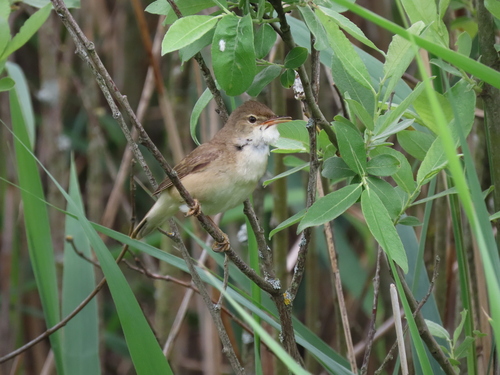 Cannaiola comune
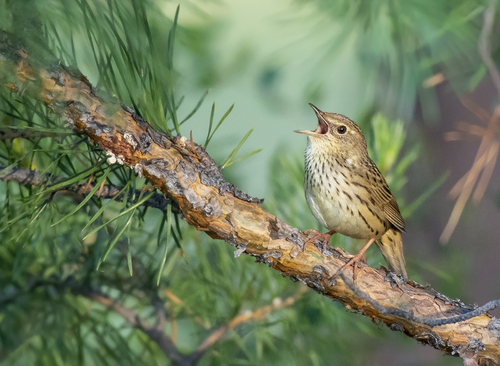 Lanceolated Warbler
In breve
Il modo più affidabile per separare la Cannaiola comune dalla Lanceolated Warbler è la presenza o l'assenza di forti striature: la Lanceolated Warbler mostra striature scure e audaci sia sulla schiena che sulle parti inferiori (inclusa la parte sottostante della coda), mentre la Cannaiola comune è di un marrone uniforme sopra e senza striature sotto. Le Cannaiola juvenile possono apparire più calde o più color crema sotto, ma non mostrano mai le striature lanceolate della Lanceolated. Entrambe sono piccole e snelle, ma la Cannaiola è leggermente più grande e ha una fronte più appiattita e un becco appuntito. In volo o posate, cerca sempre l'aspetto striato della Lanceolated rispetto alla semplicità della Cannaiola.
Consigli di identificazione
- Striature sulle parti inferiori: La Lanceolated Warbler mostra sempre striature scure, strette e audaci su parti inferiori bianche o giallastre, inclusi i copritail. La Cannaiola è sempre senza striature sotto (adulti color crema, juvenile più ricchi di color crema).
- Striature sulle parti superiori: La Lanceolated Warbler ha una schiena marrone striata; la Cannaiola è di un marrone uniforme sopra senza striature a qualsiasi età.
- Copritail: Controlla le striature: la Lanceolated le mostra, la Cannaiola no.
- Schema del viso: Entrambe mancano di un forte supercilium (sopracciglio), ma la Cannaiola può mostrare una fronte leggermente più piatta e un becco più forte. Nessuna delle due ha una striscia facciale prominente da usare come segno principale.
- Forma del becco: Il becco della Cannaiola è forte e appuntito, spesso appare più lungo e robusto rispetto alla Lanceolated dal becco più fine, ma questo è sottile.
- Forma della testa: La Cannaiola ha una fronte più piatta, che può darle un aspetto più angolare, da Acrocephalus; la testa della Lanceolated è più arrotondata.
- Confusione giovanile: Le Cannaiola juvenile sono più calde di color crema sotto ma non sviluppano mai striature; le juvenile Lanceolated sono più gialle ma sempre striate.
- Volo e schema delle ali: Non sono descritti segni distintivi sulle ali superiori o sul volo per nessuna delle due; non fare affidamento su pannelli delle ali o bordi posteriori.
- Coda: Entrambe hanno code semplici; la forma della coda non è un forte separatore qui.
- Habitat: La Cannaiola è quasi sempre in canneti o vegetazione emergente alta; la Lanceolated preferisce prati umidi, letti di giunco o aree cespugliose, raramente canneti classici.
- Comportamento: La Lanceolated è più furtiva e simile a un topo, raramente posandosi in alto; la Cannaiola è più propensa a arrampicarsi sui canneti e cantare da steli esposti.
- Canto: La Cannaiola emette un canto chiacchierino e variabile con fischi e mimetismo; la Lanceolated (non descritta qui, ma tipica di Locustella) emette un trill simile a un insetto.
- Dimensione: La Cannaiola è leggermente più grande e pesante, ma questo è raramente ovvio nel campo.
- Stagione: Entrambe sono migratorie nel Paleartico; controlla l'abbondanza e il timing locali, poiché la Lanceolated è un migratore o vagrante raro nella maggior parte dell'Europa.
- Trappola: Non affermare mai che si tratta di una Lanceolated se l'uccello è completamente senza striature sotto: questo è sempre una Cannaiola. Se vedi delle striature sulle parti inferiori o sulla parte sottostante della coda, controlla attentamente per la Lanceolated.
Taglia
La Cannaiola comune è un warbler di dimensioni medie di Acrocephalus, lungo circa 13 cm con una massa corporea di 12 g [wikidata]. La Lanceolated Warbler è un piccolo warbler di Locustella, ma non è fornita una massa precisa. Sul campo, la differenza di dimensione è sottile; la Cannaiola può apparire un po' più lunga e robusta, ma questo è spesso difficile da giudicare a meno che non siano viste affiancate. Entrambe sono piccoli, snelli warblers, quindi fai affidamento più sul piumaggio e sulla struttura che sulla dimensione.
Piumaggio
Le Cannaiola juvenile e adulte sono senza striature sopra e sotto: gli adulti sono di un marrone uniforme sopra con parti inferiori color crema, mentre le juvenile sono più ricche di color crema sotto ma mancano ancora di striature [wikipedia]. Al contrario, la Lanceolated Warbler di tutte le età ha una schiena marrone striata e parti inferiori grigio-biancastre audacemente striate, con le striature che formano forme a testa di lancia; queste striature si estendono anche sui copritail [wikipedia]. Le juvenile Lanceolated sono più gialle sotto ma mantengono le striature diagnostiche. Non sono descritti segni distintivi sulle ali superiori o sul volo per nessuna delle due specie, quindi concentrati sulla presenza o assenza di striature sul corpo e sulla parte sottostante della coda. Entrambe le specie hanno ali simili e semplici e mancano di forti barre o pannelli sulle ali.
Comportamento
Entrambe le specie sono riservate e si nascondono in vegetazione densa, ma la Cannaiola è più spesso vista arrampicarsi sugli steli di canne nei canneti, a volte cantando da posatoi esposti. La Lanceolated Warbler è una classica Locustella, strisciando simile a un topo attraverso l'erba o i cespugli bassi e raramente posandosi in aperto. Il volo è tipicamente debole e basso per entrambe, ma la Lanceolated può sembrare ancora più riluttante a volare e più propensa a svanire nel riparo.
Habitat
La Cannaiola comune è strettamente legata ai canneti e ai margini delle zone umide, spesso vista in gruppi di Phragmites o canne alte simili [wikipedia]. La Lanceolated Warbler preferisce praterie umide, letti di giunco e aree cespugliose, specialmente nel nord e nell'est dell'Eurasia [wikipedia]. Se trovi un warbler striato in un canneto classico, controlla attentamente per vagabondaggio o identificazione errata, poiché la Lanceolated è rara nell'habitat tipico della Cannaiola.
Voce
La Cannaiola comune canta un lento e chiacchierino 'jit-jit-jit' con fischi acrocephalini e qualche mimetismo [wikipedia]. Il canto della Lanceolated Warbler non è descritto nelle note, ma i warblers di Locustella hanno tipicamente canti simili a insetti e a trill che sono molto diversi dal chiacchierio della Cannaiola. Se senti un canto classico di Acrocephalus, è probabile che sia una Cannaiola; un trill meccanico e stridente indicherebbe una Lanceolated.
Cannaiola comune · Lanceolated Warbler · I miei uccelli difficili