
Fanello vs Organetto (ssp. cabaret)
Linaria cannabina contro Acanthis cabaret
Fai un quiz con Fanello e Organetto (ssp. cabaret)
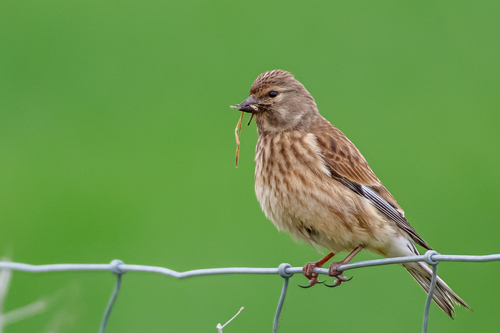 Fanello
 Organetto (ssp. cabaret)
In breve
Il segno distintivo più affidabile tra Fanello e Organetto è la presenza di un bavaglio nero e una macchia rossa sulla fronte nell'organetto, che il fanello non ha. I fanelli maschi adulti in estate mostrano un petto e una macchia rossa sulla testa, ma le femmine e gli immaturi no, rendendo probabile la confusione al di fuori del piumaggio di riproduzione al culmine. Gli Organetti hanno sempre una fronte rossa, un bavaglio nero e due barre alari chiare, mentre i fanelli sono più marroni sopra con una coda più lunga e mancano del bavaglio nero. In volo o a distanza, concentrati sul posteriore striato dell'organetto e sulle barre alari chiare rispetto alla parte superiore marrone più semplice del fanello e alla sua forma più snella ed allungata.
Consigli di identificazione
- Macchia Rossa sulla Fronte (Tutte le Età, Solo Organetto): L'Organetto mostra sempre una macchia rossa brillante sulla fronte, anche nelle femmine e negli immaturi. Il Fanello non mostra mai questa caratteristica.
- Bavaglio Nero (Tutte le Età, Solo Organetto): Gli Organetti hanno un bavaglio nero distintivo sotto il becco. I fanelli non hanno nero sulla gola o sul mento.
- Barre Alari (Tutte le Età, Solo Organetto): Gli Organetti mostrano due barre alari chiare sulla parte superiore dell'ala, visibili sia posati che in volo. I fanelli hanno ali marroni semplici senza barre alari evidenti.
- Colore del Petto (Maschi Adulti, Stagione di Riproduzione): I fanelli maschi in estate hanno un petto rosso e rosso sulla testa, ma le femmine e gli immaturi no. I maschi dell'organetto possono avere un petto rossastro, ma questo è meno esteso e mai così brillante o esteso come quello del fanello.
- Striature: Gli Organetti sono fortemente striati sulla parte superiore, sul posteriore e sui fianchi, con un'apertura striata. I fanelli sono più marroni sopra con meno striature, specialmente sul posteriore.
- Forma e Lunghezza della Coda: Il Fanello ha una coda più lunga e appuntita, dando un aspetto snello e allungato. La coda dell'organetto è più corta e più incisa, contribuendo a un aspetto compatto.
- Colore del Becco: Gli Organetti hanno un becco giallastro con una punta scura; i fanelli hanno un becco grigio.
- Dimensioni e Struttura: I fanelli sono più pesanti e più lunghi, apparendo più snelli e eretti. Gli Organetti sono più piccoli, più rotondi e più compatti.
- Indizi di Habitat: Gli Organetti si trovano più spesso in boschi di betulle o ontani, specialmente in inverno. I fanelli preferiscono campi aperti, terreni agricoli e siepi.
- Comportamento: Gli Organetti spesso si nutrono in modo acrobatico sugli alberi, a volte appesi a testa in giù. I fanelli sono più propensi a essere visti posati eretti su fili o a cercare cibo a terra.
- Trappola per Femmine e Immaturi: Le femmine e gli immaturi fanelli mancano di rosso sulla testa e sul petto, rendendoli particolarmente facili da confondere con gli organetti. Cerca la fronte rossa e il bavaglio nero dell'organetto, che sono sempre presenti.
- Schema di Volo: In volo, gli organetti mostrano barre alari chiare e una forma compatta e con coda corta. I fanelli hanno una coda più lunga e ali più semplici.
- Vocalizzazione (Non Diagnostica Qui): Non ci sono differenze vocali chiare descritte nelle note fornite.
- Trappola Stagionale: Al di fuori della stagione di riproduzione, i fanelli maschi perdono gran parte del loro rosso, aumentando la confusione. Fai affidamento sulle differenze strutturali e sul modello del viso.
- Stormi Misti: Entrambe le specie possono unirsi a stormi misti di fringuelli in inverno. Usa la combinazione di fronte rossa, bavaglio nero e barre alari per l'organetto, rispetto al fanello con coda più lunga e faccia più semplice.
Taglia
Il Fanello è visibilmente più pesante (19.0 g [wikidata]) rispetto all'Organetto (12–16 g [wikipedia]), e appare più lungo e snello con una coda più lunga. Gli Organetti sembrano più compatti e con coda corta, specialmente quando sono posati. Questa differenza è sottile sul campo ma può essere utile quando gli uccelli sono affiancati o in stormi misti.
Piumaggio
I fanelli giovanili e femminili sono marroni sopra con petti striati color sabbia e parti inferiori bianche, privi di rosso o nero sul viso o sul bavaglio. Al contrario, tutti gli Organetti—maschi, femmine e immaturi—mostrano una macchia rossa brillante sulla fronte, un bavaglio nero e due barre alari chiare sulle parti superiori striate di grigio-marrone. I maschi possono avere una sfumatura rossastra sul petto, ma anche le femmine e gli immaturi mantengono la fronte rossa e il bavaglio nero. Il posteriore dell'organetto è striato, e c'è una larga striatura marrone scuro attraverso l'apertura, mentre i fanelli hanno parti superiori marroni più semplici e una coda più lunga e appuntita. In volo, le barre alari chiare dell'organetto e la forma compatta si distinguono, mentre il fanello mostra una coda più lunga e meno contrasto sulle ali.
Comportamento
Entrambe le specie sono attive e spesso cercano cibo in stormi, ma gli organetti sono più propensi a essere visti appesi in modo acrobatico ai catkin di betulla o ontano, a volte nutrendosi a testa in giù. I fanelli sono più propensi a essere visti a terra o posati eretti su siepi e fili, con una postura più eretta e snella. Gli organetti appaiono spesso irrequieti e si muovono tra gli alberi, mentre i fanelli possono rimanere più tranquilli per periodi più lunghi.
Habitat
Gli Organetti si trovano tipicamente in boschi di betulle e ontani, specialmente in inverno, e sono migratori parziali che possono apparire in giardini e campi infestati durante le irruzioni. I Fanelli preferiscono campi aperti, terreni agricoli e siepi, evitando spesso boschi densi. Se l'uccello si trova in un'area densa di betulle o ontani, specialmente in inverno, è più probabile che sia un organetto; il fanello è più atteso in cespugli aperti, terreni agricoli o siepi.
Fanello · Organetto (ssp. cabaret) · I miei uccelli difficili