

Pantana vs Greater Yellowlegs
Tringa nebularia contro Tringa melanoleuca
Fai un quiz con Pantana e Greater Yellowlegs
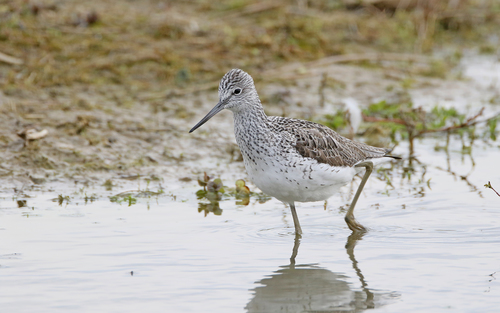 Pantana
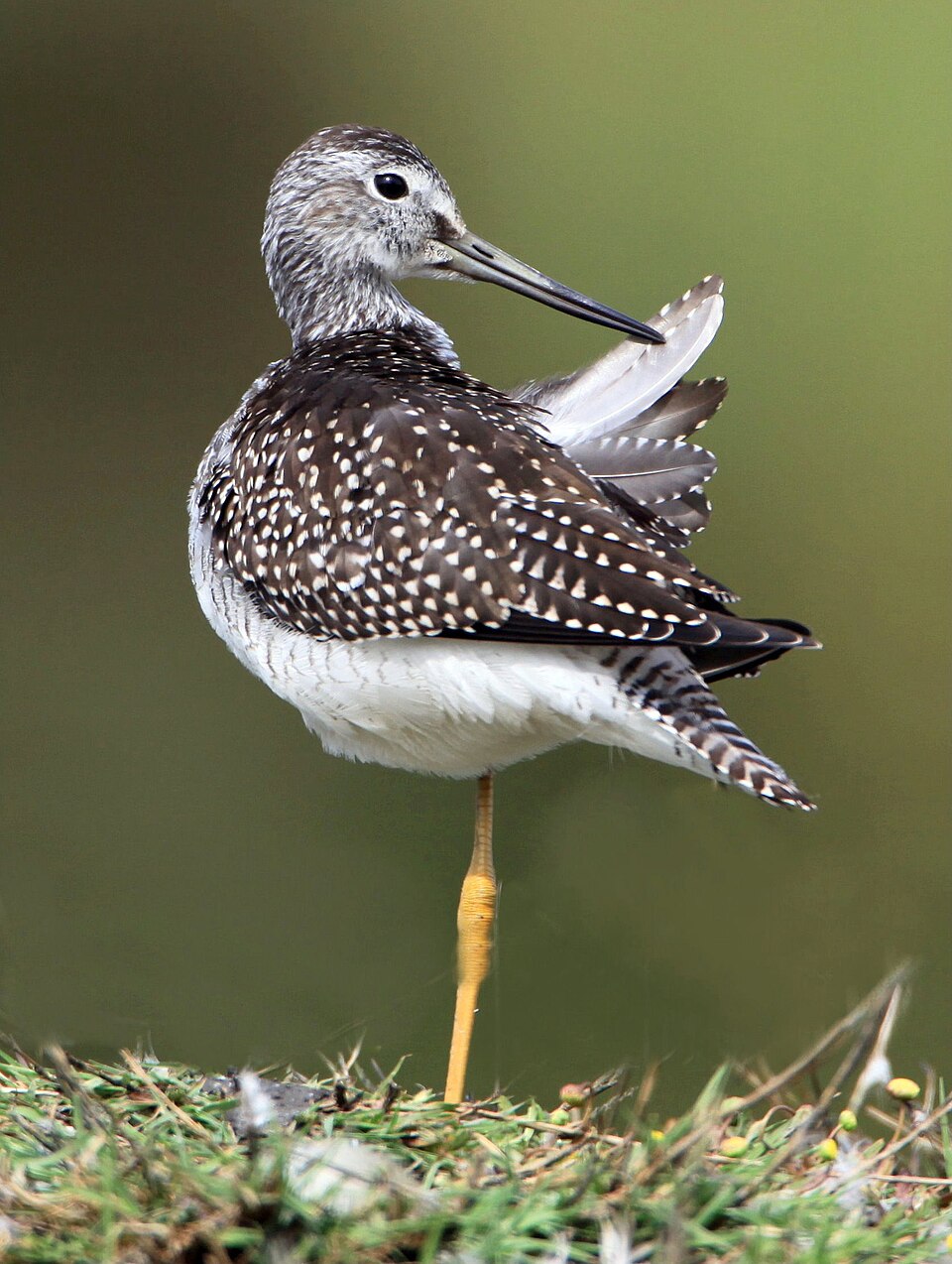 Greater Yellowlegs
In breve
Il segno distintivo più affidabile per separare la Pantana dal Greater Yellowlegs è il colore delle gambe: la pantana ha gambe verdastre, mentre il yellowlegs ha gambe giallo brillante. Anche la forma del becco aiuta: il becco della pantana è leggermente ricurvo con una base grigia, mentre il yellowlegs ha un becco dritto e scuro, più lungo della testa. Entrambi sono grandi trampolieri con gambe lunghe di dimensioni e struttura simili, e mostrano un sopracciglio bianco in volo, ma le sottili differenze nel colore del becco e delle gambe sono fondamentali. Gli adulti in riproduzione di entrambe le specie condividono un motivo scuro e ruvido sul petto, quindi concentrati sulle differenze strutturali e delle parti nude, specialmente negli uccelli non in riproduzione o immaturi.
Consigli di identificazione
- Il colore delle gambe è il segno distintivo più consistente: La pantana ha gambe verdastre, mentre il Greater Yellowlegs ha gambe giallo brillante. Questo è visibile in tutte le livree e età, ma fango o acqua possono offuscare il colore.
- Forma e colore del becco: Il becco della pantana è leggermente ricurvo con una base grigia, mentre il becco del yellowlegs è dritto, tutto scuro e notevolmente più lungo della testa. Cerca la curvatura e il colore di base in buona luce.
- Motivo del petto in livrea di riproduzione: Entrambe le specie mostrano striature scure e ruvidi sul petto e nero sulle spalle/su schiena, quindi questo non è un separatore affidabile negli adulti di primavera/estate.
- Motivo di volo: Entrambi mostrano un sopracciglio bianco in volo, quindi non fare affidamento su questo segno per separarli.
- Comportamento di foraggiamento: Il yellowlegs può essere visto mescolare l'acqua con il suo becco più spesso, ma questo non è esclusivo.
- Voce: Se chiamano, la pantana emette un richiamo rapido e flautato di tre note, mentre il yellowlegs ha un fischio più forte, più aspro e più chiaro di tre sillabe con una nota finale più bassa. Questo è più utile quando gli uccelli vengono spaventati o volano.
- Lunghezza del becco: Il becco del yellowlegs è più lungo della sua testa, mentre quello della pantana è lungo ma non così esagerato. Confronta con la lunghezza della testa se possibile.
- Curvatura del becco: La punta ricurva del becco della pantana è sottile ma diagnostica se vista bene; il becco del yellowlegs è dritto o solo leggermente ricurvo.
- Lunghezza delle gambe: Entrambi hanno gambe lunghe, ma il colore è più utile della lunghezza per la separazione.
- Tono della livrea in inverno: Entrambi sono grigio-marroni sopra e bianchi sotto in livrea non riproduttiva; non fare affidamento solo sul colore della schiena.
- Habitat: Entrambi usano habitat umidi simili, quindi il contesto non è utile a meno che tu non sia al di fuori dell'area normale di una specie.
- Dimensioni: Entrambi sono simili in dimensioni e massa; non usare la dimensione come separatore primario.
- Associazione di gruppo: Entrambi possono essere solitari o in stormi misti con altri trampolieri; la composizione del gruppo non è un separatore.
- Livrea giovanile/immatura: Non sono descritti segni distintivi giovanili sulle ali superiori o sul volo tra questi due; concentrati sul colore delle parti nude e sulla forma del becco.
- Possibili insidie: Gambe fangose o scarsa luce possono offuscare il colore delle gambe; controlla sempre più caratteristiche quando possibile, specialmente in luce fioca o a distanza.
Taglia
Entrambe le specie sono quasi identiche in dimensioni e massa, con la Pantana che pesa in media 173 g e il Greater Yellowlegs 170 g [wikidata]. Entrambi sono tra i più grandi trampolieri, superati solo dal Piro piro semipalmato. La lunghezza e l'apertura alare si sovrappongono considerevolmente, quindi la dimensione da sola non è un separatore affidabile sul campo.
Piumaggio
Non sono descritte differenze specifiche di età nelle ali superiori o nel modello di volo tra queste due specie; entrambe mostrano un sopracciglio bianco in volo, che non è diagnostico. In livrea di riproduzione, entrambe hanno un motivo scuro, ruvido e nitido sul petto con molto nero sulle spalle e sulla schiena. In livrea non riproduttiva (inverno), la pantana è grigio-marrone sopra, mentre il yellowlegs è anch'esso grigio-marrone, ma la differenza è sottile. La principale distinzione della livrea è nelle gambe (verdastre vs gialle) e nel becco (pantana: ricurvo con base grigia; yellowlegs: dritto, scuro e più lungo della testa).
Comportamento
Entrambe le specie foraggiano in acque poco profonde e possono essere viste guadare attivamente. Il Greater Yellowlegs spesso mescola l'acqua con il suo becco mentre foraggia, il che può essere un indizio comportamentale. Entrambi possono essere trovati singolarmente o in gruppi sciolti, e entrambi sono uccelli attivi e all'erta. Non è stata notata alcuna chiara distinzione comportamentale nelle fonti oltre alla tecnica di foraggiamento.
Habitat
Entrambe le specie si trovano in habitat umidi simili: paludi d'acqua dolce o salmastra poco profonde, fanghiglie e i bordi di laghi o fiumi. La pantana ha una distribuzione più eurasiatica, mentre il Greater Yellowlegs è un riproduttore neartico, ma i loro habitat invernali possono sovrapporsi in alcune regioni. L'habitat da solo non è un separatore affidabile dove entrambe si trovano.
Voce
La Pantana emette un richiamo rapido e flautato di tre note ('teu-teu-teu'), mentre il Greater Yellowlegs ha un fischio più aspro, più forte e più chiaro di tre sillabe, con la terza sillaba più bassa in tono. In volo, il richiamo del yellowlegs è nettamente più acuto e più squillante di quello della pantana. La voce può essere utile se gli uccelli stanno chiamando, ma entrambe le specie possono essere silenziose quando si nutrono.