
Common Black Hawk vs Poiana di Harris
Buteogallus anthracinus contro Parabuteo unicinctus
Fai un quiz con Common Black Hawk e Poiana di Harris
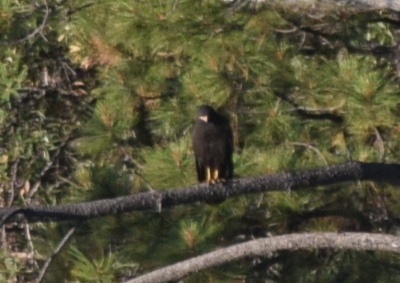 Common Black Hawk
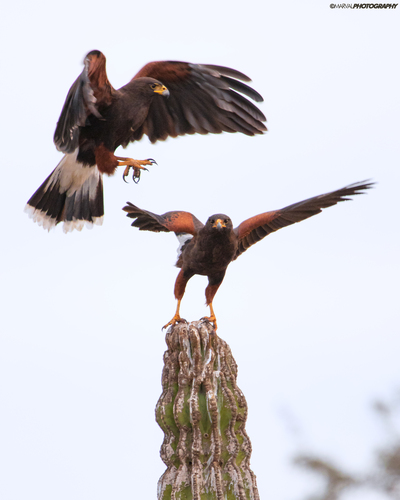 Poiana di Harris
In breve
Il segno di campo più affidabile per separare il Common Black Hawk dalla Poiana di Harris, specialmente in volo, è il motivo della coda: il Common Black Hawk mostra una singola ampia banda bianca e una punta bianca su una corta coda nera, mentre la Poiana di Harris ha sia una base bianca che una punta bianca ampia sulla coda. Le piume giovanili sono anche distinte: i giovani Common Black Hawk sono macchiati e striati sotto con più bande sulla coda, mentre i giovani Poiana di Harris sono molto più chiari sotto e mostrano un pannello chiaro sull'ala esterna. Strutturalmente, il Common Black Hawk è più robusto con ali più larghe e una coda più corta. Entrambe le specie sono per lo più scure, ma la Poiana di Harris ha spalle e cosce castanee, che sono assenti nel Common Black Hawk. Usa il motivo della coda e la forma dell'ala come tuoi primi controlli, specialmente per gli immaturi o gli uccelli in volo.
Consigli di identificazione
- Motivo della coda in volo (tutte le età): Il Common Black Hawk ha una singola ampia banda bianca e una punta bianca su una corta coda nera. La Poiana di Harris mostra sempre sia una base bianca che una punta bianca ampia sulla coda, con l'area scura incastonata tra—questa è la separazione più consistente a qualsiasi età.
- Sottoala giovanile e corpo (in volo): La giovane Poiana di Harris mostra una sottoala chiara e buffa con un pannello chiaro distintivo sull'ala esterna (primarie bianche con punte scure), ed è molto più chiara sotto con pesanti striature. Il giovane Common Black Hawk è più scuro nel complesso, con parti inferiori da buff a bianche macchiate di scuro, e manca del pannello chiaro sull'ala.
- Toni castanei/rufous: La Poiana di Harris (tutte le età, ma specialmente gli adulti) ha ricche spalle e cosce castanee, visibili sia in perching che in volo. Il Common Black Hawk non mostra mai rufous o castano.
- Forma dell'ala e stile di volo: Il Common Black Hawk ha ali più larghe e a forma di pala e una coda più corta, dando un aspetto pesante, quasi simile a un'aquila in volo. La Poiana di Harris ha ali più lunghe e più strette e una coda più lunga, apparendo più agile e galleggiante.
- Aspetto in perching: Il Common Black Hawk in perching appare più robusto e più curvo, con una coda corta e un corpo largo. La Poiana di Harris è più snella, con una coda più lunga, e spesso si posa eretta.
- Piumaggio adulto: Il Common Black Hawk adulto è uniformemente nerastro o grigio scuro con gambe e cere gialle, e una singola banda bianca sulla coda. La Poiana di Harris adulta è marrone scuro o nerastro con spalle/cosce castanee e una coda con base bianca e punta bianca.
- Motivo della coda immatura: Il giovane Common Black Hawk ha più bande nere e bianche sulla coda; la giovane Poiana di Harris ha una banda sulla coda più chiara ma mostra sempre sia una base bianca che una punta bianca.
- Colore delle gambe: Entrambe le specie hanno gambe gialle, quindi questo non è diagnostico.
- Contesto dell'habitat: Se l'uccello è vicino all'acqua o in una foresta ripariale, inclina verso il Common Black Hawk. In habitat asciutti, aperti o desertici, la Poiana di Harris è molto più probabile.
- Comportamento di gruppo: Più grandi falchi posati o cacciando insieme suggeriscono fortemente la Poiana di Harris, poiché il Common Black Hawk è raramente sociale.
- Sovrapposizione dell'areale: Tieni presente che entrambe le specie possono verificarsi nel sud-ovest degli Stati Uniti e nel nord del Sud America, quindi usa i segni di campo piuttosto che l'areale da solo.
- Becco e cere: Entrambi hanno becchi neri e cere gialle; non è una separazione utile.
- Vocalizzazione: Non sono state fornite differenze diagnostiche nelle note; non fare affidamento sulla voce per la separazione.
- Differenze sessuali: Entrambe le specie sono sessualmente simili nel piumaggio; la differenza di dimensione non è affidabilmente separabile sul campo.
- Trappola—confusione con morfologia scura: La Zone-tailed Hawk è simile al Common Black Hawk, ma la Poiana di Harris non è probabile che venga confusa con la Zone-tailed a causa del suo castano e del motivo della coda.
Taglia
Il Common Black Hawk è il più pesante e robusto dei due, con un peso medio di circa 996 g rispetto ai 844 g della Poiana di Harris. Sul campo, il Common Black Hawk appare più robusto con ali più larghe e una coda visibilmente più corta, contribuendo a un'impressione più tozza. La Poiana di Harris, pur essendo ancora un grande rapace, è più snella, con una coda più lunga e ali proporzionalmente più lunghe. Queste differenze sono più evidenti quando gli uccelli stanno planando o posati in buona luce, ma possono essere sottili a distanza.
Piumaggio
I giovani e gli uccelli immaturi sono spesso confusi, ma mostrano differenze chiave:
- I giovani Common Black Hawk sono marrone scuro sopra con macchie e striature, da buff a bianco sotto con macchie scure, e hanno una coda con diverse barre nere e bianche. In volo, le parti superiori sono generalmente scure, e il motivo della coda è a bande ma non così evidente come la singola banda bianca dell'adulto.
- I giovani Poiana di Harris sono molto più chiari sotto, pesantemente striati di bianco o buff, e in volo mostrano un pannello chiaro distintivo sull'ala esterna formato da penne primarie bianche con punte scure. La loro banda sulla coda è più chiara rispetto agli adulti, ma mostra sempre sia una base bianca che una punta bianca.
- Gli adulti Common Black Hawk sono uniformemente nerastro o grigio scuro con una singola ampia banda bianca sulla coda e punta bianca, gambe e cere gialle, e mancano di qualsiasi tono rufous o castano.
- Gli adulti Poiana di Harris sono marrone scuro o nerastro con spalle e cosce castanee ricche, e una coda con sia una base bianca che una punta bianca ampia. La sottoala dell'adulto Poiana di Harris è scura (negli uccelli nordamericani) o a motivo e più chiara (negli uccelli sudamericani), ma mai così semplice come il Common Black Hawk.
- Entrambe le specie hanno gambe gialle, ma solo la Poiana di Harris ha evidente rufous sul corpo.
Comportamento
La Poiana di Harris è famosa per il suo comportamento sociale, spesso cacciando e nidificando in gruppi di fino a tre adulti, a volte visti posati insieme o volando in formazione sciolta. Il Common Black Hawk è più solitario o visto in coppie, raramente in gruppi. In volo, il Common Black Hawk plana con ali molto larghe e a forma di pala e una coda corta, dando un'impressione pesante, quasi simile a un'aquila. La Poiana di Harris è più agile, con una coda più lunga e un volo più galleggiante e attivo. In perching, la Poiana di Harris spesso si siede eretta e allerta, mentre il Common Black Hawk appare più robusto e più curvo.
Habitat
Il Common Black Hawk è fortemente associato a habitat ripariali—fiumi, torrenti, mangrovie o zone umide—spesso visto posato vicino all'acqua. La Poiana di Harris preferisce paesaggi aperti aridi o semi-aridi, inclusi cespugli desertici, savane e talvolta terreni agricoli, e raramente si trova vicino all'acqua. Se vedi un falco scuro in un'area umida e forestale, è più probabile che sia un Common Black Hawk; in un paese secco e aperto, specialmente con cactus o alberi sparsi, la Poiana di Harris è la norma.
Common Black Hawk · Poiana di Harris · I miei uccelli difficili