

Clamorous Reed Warbler vs Salciaiola
Acrocephalus stentoreus contro Locustella luscinioides
Fai un quiz con Clamorous Reed Warbler e Salciaiola
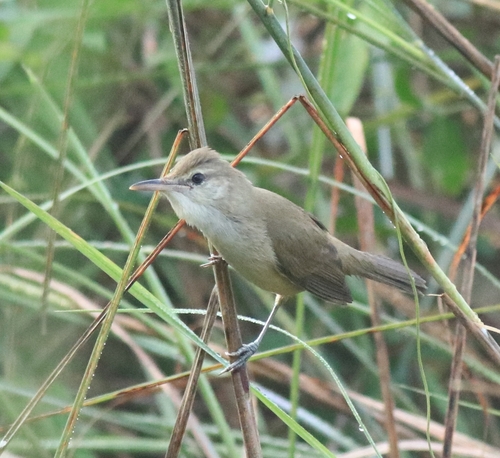 Clamorous Reed Warbler
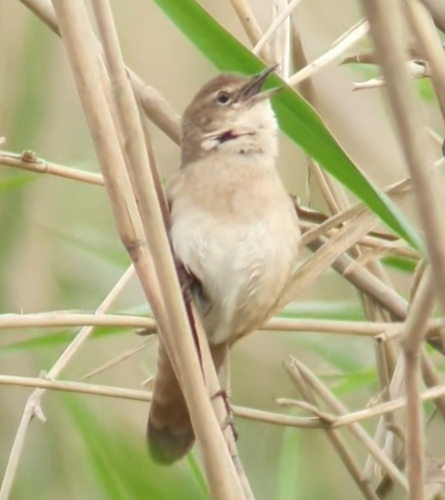 Salciaiola
In breve
Il segno di campo più affidabile tra Clamorous Reed Warbler e Salciaiola è la dimensione e la struttura complessiva: Clamorous è notevolmente più grande e massiccio, con un becco forte e appuntito e una fronte appiattita, mentre Savi's è più piccolo, più snello e ha un becco più fine. Entrambe le specie hanno parti superiori marroni uniformi e parti inferiori chiare, ma Clamorous è più grande e robusto, e Savi's è più compatto e uniforme nella colorazione. Sul campo, Clamorous appare spesso delle dimensioni di un tordo e canta con un canto forte e chiacchierino, mentre Savi's è segreto, con un trill meccanico più simile a un Grasshopper Warbler. Se visto bene, la forma del becco e l'aspetto generale sono fondamentali; se sentito, il canto è diagnostico.
Consigli di identificazione
- Size and Structure: Clamorous Reed Warbler è molto più grande e massiccio di Savi's, con un becco forte e appuntito e una fronte appiattita (tutte le età). Savi's è compatto, snello e con un becco fine.
- Bill Shape: Clamorous ha un becco notevolmente forte e appuntito (buono per tutte le livree); il becco di Savi's è snello e marrone, abbinato alla sua testa più delicata.
- Overall Coloration: Clamorous è marrone uniforme sopra e biancastro sotto, con alcune variazioni nei toni marroni (differenze tra sottospecie). Savi's è più uniformemente marrone rossiccio scuro sopra, a volte con una sfumatura verdognola, e marrone sabbioso sui fianchi.
- Facial Pattern: Savi's può mostrare strisce oculari buff indistinte, lore scuri, e copritrici auricolari marrone chiaro; Clamorous manca di questi contrasti e appare con un volto più semplice.
- Underparts: Clamorous è biancastro sotto, mentre Savi's ha un mento, una gola e un ventre bianco-buff, con fianchi marrone sabbioso—questo può essere sottile ed è meglio visto in buona luce.
- Plumage Variation: Savi's è leggermente più chiaro in livrea di nidificazione ma rimane più uniforme di Clamorous; Clamorous mostra più variazione tra le razze (gli uccelli settentrionali sono marrone più ricco, gli uccelli dello Sri Lanka sono i più scuri).
- Wing and Tail: Non sono descritti schemi distintivi di ali giovanili o immature per nessuna delle due specie; entrambe hanno ali e code semplici, quindi non fare affidamento sul modello dell'ala superiore per la separazione.
- Behavior: Clamorous è più propenso a posarsi eretto e cantare da steli di canna esposti, apparendo spesso lento e deliberato. Savi's è segreto, svolazzando basso tra le canne e salendo solo per cantare.
- Song: Clamorous emette un canto forte, chiacchierino e variegato con fischi e imitazioni; Savi's canta un trill meccanico, simile a un insetto, di tono più basso e meno prolungato rispetto a Grasshopper Warbler. Il canto è diagnostico dove sentito.
- Habitat Context: In Europa, Savi's è l'unica specie probabile; in Asia/Africa, controlla l'areale e l'habitat. Dove entrambe si trovano, Clamorous preferisce ampie zone di canne, Savi's può trovarsi in torbiere e paludi cespugliose.
- Flight Jizz: Clamorous appare lungo e pesante in volo; Savi's è compatto e agile, spesso scendendo rapidamente in copertura.
- Sex and Age: Entrambi i sessi sono simili in entrambe le specie; non sono descritti segni di campo specifici per età. La separazione giovanile/immatura si basa su dimensione e struttura, non su livrea.
- Pitfalls: Entrambi possono apparire semplici e senza striature, portando a confusione. Usa dimensione, becco e canto come separatori primari. In scarsa luce, i toni marrone rossiccio di Savi's possono essere difficili da vedere.
- When Marks Fail: Se visto solo di sfuggita, concentrati sulla dimensione relativa e sulla forma del becco. Se sentito, fai affidamento sul canto. Se visto in mano o a distanza ravvicinata, il modello facciale e il tono delle parti inferiori possono aiutare.
- Local Abundance: Controlla i rapporti locali di eBird—Savi's è raro o assente in gran parte dell'areale di Clamorous e viceversa.
Taglia
Clamorous Reed Warbler è sostanzialmente più grande (18–20 cm, delle dimensioni di un tordo) rispetto a Salciaiola (circa 14 cm, simile a un Reed o Grasshopper Warbler) [wikipedia]. Sul campo, Clamorous appare lungo e con un becco pesante, mentre Savi's è compatto e snello. Questa differenza di dimensione è spesso ovvia quando visti fianco a fianco o con uccelli di canna familiari come riferimento.
Piumaggio
Non sono descritti schemi distintivi di ali giovanili o immature per nessuna delle due specie. Entrambi gli adulti sono senza striature sopra e chiari sotto, ma Clamorous Reed Warbler ha un dorso marrone uniforme e parti inferiori bianche, con alcune variazioni nei toni marroni tra le sottospecie. Salciaiola è più uniformemente marrone rossiccio scuro sopra, a volte con una sfumatura verdognola, e ha strisce oculari buff indistinte, lore scuri e copritrici auricolari marrone chiaro. Le sue parti inferiori sono bianco-buff sul mento/gola/ventre, con fianchi marrone sabbioso. In livrea di nidificazione, Savi's è leggermente più chiaro sopra e sotto, ma rimane comunque più uniforme di Clamorous. Il becco di Clamorous è forte e appuntito, mentre quello di Savi's è snello e marrone. Entrambi mancano di forti striature o pannelli di ali evidenti, ma Savi's può mostrare un sottile contrasto tra la gola chiara e i fianchi marrone sabbioso.
Comportamento
Clamorous Reed Warbler è più evidente, spesso posandosi eretto e cantando forte da steli di canna esposti. I suoi movimenti sono più lenti e deliberati. Salciaiola è segreto e furtivo, di solito svolazzando basso tra le canne dense e salendo solo per cantare. Quando canta, Savi's si posiziona in alto con la gola vibrante, ma è altrimenti difficile da vedere e si muove con agilità attraverso la vegetazione intricata. Clamorous tende a essere meno agile e più pesante nei suoi movimenti.
Habitat
Entrambe le specie occupano zone di canne e paludi, ma i loro areali si sovrappongono poco: Clamorous nidifica dall'Egitto al Sud-est asiatico, mentre Savi's è un nidificante europeo e del Palearctico occidentale. Nelle regioni di sovrapposizione (ad es., Medio Oriente), entrambe possono essere trovate in dense zone di canne, ma Savi's è più probabile che si trovi in torbiere e aree paludose con cespugli sparsi, e può disperdersi in torbiere meno densamente vegetate dopo la nidificazione. Clamorous è più strettamente associato a vaste zone di canne ed è meno probabile che si trovi in paludi aperte o cespugliose.
Voce
Clamorous Reed Warbler ha un canto forte, che si diffonde lontano, chiacchierino: un lento 'kereet-kereet-kereet' con fischi acrocephalini e imitazioni, meno rauco rispetto a Cannareccione. Salciaiola canta un trill meccanico, simile a un insetto, di tono più basso e meno prolungato rispetto a Grasshopper Warbler, spesso iniziando con 'tick' bassi che si fondono nel trill. Clamorous è molto più forte e variegato; Savi's è più meccanico e uniforme, con una qualità di riavvolgimento distintiva. Il canto è un separatore altamente affidabile se sentito bene.
Clamorous Reed Warbler · Salciaiola · I miei uccelli difficili