

Motmot

Carolina Wren vs House Finch

Thryothorus ludovicianus contro Haemorhous mexicanus

Fai un quiz con Carolina Wren e House Finch
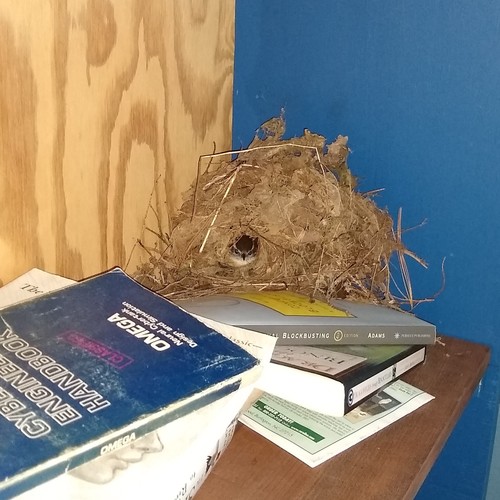
Carolina Wren (Thryothorus ludovicianus) Carolina Wren
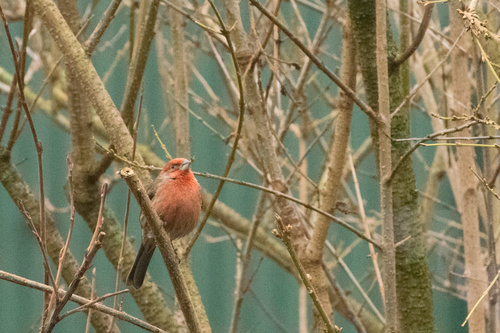
House Finch (Haemorhous mexicanus) House Finch

Media

Caricamento…

In breve

The most reliable field mark to separate Carolina Wren from House Finch is the bold white supercilium (eyebrow) of the wren, which is never present on House Finch of any age or sex. Juvenile and adult Carolina Wrens both show this striking white eyebrow, along with rich chestnut-brown upperparts and a long, slightly cocked tail. House Finches, by contrast, lack any facial stripes and have streaked underparts, with males showing variable red on the head and breast but never a white supercilium. In flight or perched, note the wren’s compact, round-bodied shape and short wings versus the finch’s longer, square-tipped tail and more slender, straight posture. These differences hold in all seasons and ages, but are especially useful when birds are seen in dense cover or at feeders.

Consigli di identificazione

  1. White supercilium (eyebrow): Carolina Wren always shows a bold white eyebrow extending past the eye; House Finch never does. This is the single most reliable mark for all ages and sexes.
  2. Facial pattern: Carolina Wren’s face is patterned with a white supercilium and dark lines; House Finch’s face is plain brown (female/juvenile) or brown with red (male), never striped.
  3. Underparts: House Finch (all ages/sexes) has streaked flanks and belly; Carolina Wren is unstreaked below, with warm buff or whitish underparts.
  4. Upperparts and wings: Carolina Wren’s upperparts are rich chestnut-brown with fine white spots on the wings and bold barring on the tail; House Finch is brownish-gray above, with no spots or bars on the wings or tail.
  5. Tail shape: House Finch has a long, square-tipped tail; Carolina Wren has a shorter, rounded tail often held cocked upward.
  6. Bill shape: Carolina Wren has a long, slender, slightly downcurved bill; House Finch has a short, thick, conical bill typical of seed-eating finches.
  7. Posture and jizz: Carolina Wren is compact, round-bodied, and often perches with tail up; House Finch is more slender, upright, and perches with tail level or slightly drooped.
  8. Juvenile plumage: Juvenile Carolina Wrens are paler but still show the white supercilium and lack streaking below; juvenile House Finches are streaked below and lack facial markings.
  9. Sexual dimorphism: Male House Finch may show bright red (or orange/yellow) on head and breast; Carolina Wrens are similar in both sexes, with only slight size difference.
  10. Flight pattern: House Finch has a bounding, undulating flight; Carolina Wren flies low and direct, often between cover.
  11. Habitat preference: Carolina Wren favors dense brush and tangles; House Finch is common in open, urban, and suburban areas.
  12. Vocalizations: Carolina Wren’s song is loud, repeated, and ringing; House Finch’s is a musical jumble ending in a high note. Calls also differ: wren gives sharp chips, finch gives soft cheet notes.
  13. Behavior at feeders: House Finches linger and feed in groups; Carolina Wrens dart in and out, usually alone or in pairs.
  14. Seasonal variation: House Finch male red varies with diet and season, but never develops a supercilium or bars/spots on wings; Carolina Wren’s plumage is consistent year-round, with only subtle molt effects.
  15. Potential pitfalls: In poor light, female/juvenile House Finches can look warm brown and may be mistaken for wrens, but always lack the white eyebrow and have streaked underparts. Carolina Wrens never show streaking below or a plain face.

Taglia

Both species are similar in total length (Carolina Wren: 12.5–14 cm; House Finch: 12.5–15 cm), but the House Finch averages slightly heavier (mean 21 g vs. 19.3 g for Carolina Wren) and has a longer wingspan (20–25 cm vs. 29 cm for the wren, though the wren’s measurement may be an outlier or measured differently). The House Finch has a longer wing chord (7–8.4 cm) compared to the wren (5.4–6.4 cm), and a longer tail (5.7–6.5 cm vs. 4.5–5.6 cm). In the field, House Finch usually appears slimmer and longer-tailed, while Carolina Wren is more compact and round-bodied.

Piumaggio

Juvenile and adult Carolina Wrens both have a prominent white supercilium that extends well past the eye, bordered above and below by thin black lines. Their upperparts are rich chestnut-brown (duller or paler in some subspecies or juveniles), with fine white spotting on the wings and bold dark barring on the tail. Underparts are warm buff to whitish, with no streaking on the belly or flanks. Juvenile wrens are paler overall, with buff-tipped wing coverts and a less distinct supercilium, but the facial pattern is always present.

House Finches of all ages lack any facial stripes or supercilium. Adult males have variable red (sometimes orange or yellow) on the head, throat, and breast, but always with brown-streaked upperparts and heavily streaked flanks and belly. Females and juveniles are plain brown above and streaked below, with no facial markings. The wings are brownish-gray with no white spots or bars, and the tail is long and square-tipped. In flight, House Finch shows a uniform brown wing and tail pattern, lacking the Carolina Wren’s barring and spots.

Comportamento

Carolina Wrens are often seen skulking in dense brush, hopping with a cocked tail and flicking their wings. They are restless, frequently scolding, and rarely stay in the open for long. House Finches are more likely to perch conspicuously on wires, feeders, or treetops, often in small flocks. Their flight is undulating and direct, and they spend more time in the open, especially around human habitation. At feeders, House Finches are gregarious and linger, while Carolina Wrens dart in and out quickly.

Habitat

Carolina Wrens prefer dense cover—thickets, brush piles, tangles at forest edges, and shrubby suburban yards. They are less likely to be seen in open spaces. House Finches are highly adaptable, found in urban, suburban, and rural areas, often in open habitats, parks, gardens, and especially at feeders. While both can occur in suburban settings, Carolina Wrens are more tied to dense vegetation, whereas House Finches thrive in open, human-modified landscapes.

Voce

Carolina Wren’s song is a loud, ringing series of repeated phrases (often described as ‘teakettle-teakettle-teakettle’), with both sexes singing. Calls are sharp, metallic chips or scolds. House Finch song is a long, jumbled warble ending in a high wheer, and their calls are soft cheet or wheat notes. The wren’s song is much louder and more emphatic, while the finch’s is musical but less forceful. The two are unlikely to be confused by ear, but both are common backyard singers.

Invia una descrizione migliore

Usa le stesse sezioni del confronto. Il testo viene pubblicato subito.

The most reliable field mark to separate Carolina Wren from House Finch is the bold white supercilium (eyebrow) of the wren, which is never present on House Finch of any age or sex. Juvenile and adult Carolina Wrens both show this striking white eyebrow, along with rich chestnut-brown upperparts and a long, slightly cocked tail. House Finches, by contrast, lack any facial stripes and have streaked underparts, with males showing variable red on the head and breast but never a white supercilium. In flight or perched, note the wren’s compact, round-bodied shape and short wings versus the finch’s longer, square-tipped tail and more slender, straight posture. These differences hold in all seasons and ages, but are especially useful when birds are seen in dense cover or at feeders.

  1. White supercilium (eyebrow): Carolina Wren always shows a bold white eyebrow extending past the eye; House Finch never does. This is the single most reliable mark for all ages and sexes.
  2. Facial pattern: Carolina Wren’s face is patterned with a white supercilium and dark lines; House Finch’s face is plain brown (female/juvenile) or brown with red (male), never striped.
  3. Underparts: House Finch (all ages/sexes) has streaked flanks and belly; Carolina Wren is unstreaked below, with warm buff or whitish underparts.
  4. Upperparts and wings: Carolina Wren’s upperparts are rich chestnut-brown with fine white spots on the wings and bold barring on the tail; House Finch is brownish-gray above, with no spots or bars on the wings or tail.
  5. Tail shape: House Finch has a long, square-tipped tail; Carolina Wren has a shorter, rounded tail often held cocked upward.
  6. Bill shape: Carolina Wren has a long, slender, slightly downcurved bill; House Finch has a short, thick, conical bill typical of seed-eating finches.
  7. Posture and jizz: Carolina Wren is compact, round-bodied, and often perches with tail up; House Finch is more slender, upright, and perches with tail level or slightly drooped.
  8. Juvenile plumage: Juvenile Carolina Wrens are paler but still show the white supercilium and lack streaking below; juvenile House Finches are streaked below and lack facial markings.
  9. Sexual dimorphism: Male House Finch may show bright red (or orange/yellow) on head and breast; Carolina Wrens are similar in both sexes, with only slight size difference.
  10. Flight pattern: House Finch has a bounding, undulating flight; Carolina Wren flies low and direct, often between cover.
  11. Habitat preference: Carolina Wren favors dense brush and tangles; House Finch is common in open, urban, and suburban areas.
  12. Vocalizations: Carolina Wren’s song is loud, repeated, and ringing; House Finch’s is a musical jumble ending in a high note. Calls also differ: wren gives sharp chips, finch gives soft cheet notes.
  13. Behavior at feeders: House Finches linger and feed in groups; Carolina Wrens dart in and out, usually alone or in pairs.
  14. Seasonal variation: House Finch male red varies with diet and season, but never develops a supercilium or bars/spots on wings; Carolina Wren’s plumage is consistent year-round, with only subtle molt effects.
  15. Potential pitfalls: In poor light, female/juvenile House Finches can look warm brown and may be mistaken for wrens, but always lack the white eyebrow and have streaked underparts. Carolina Wrens never show streaking below or a plain face.

Both species are similar in total length (Carolina Wren: 12.5–14 cm; House Finch: 12.5–15 cm), but the House Finch averages slightly heavier (mean 21 g vs. 19.3 g for Carolina Wren) and has a longer wingspan (20–25 cm vs. 29 cm for the wren, though the wren’s measurement may be an outlier or measured differently). The House Finch has a longer wing chord (7–8.4 cm) compared to the wren (5.4–6.4 cm), and a longer tail (5.7–6.5 cm vs. 4.5–5.6 cm). In the field, House Finch usually appears slimmer and longer-tailed, while Carolina Wren is more compact and round-bodied.

Juvenile and adult Carolina Wrens both have a prominent white supercilium that extends well past the eye, bordered above and below by thin black lines. Their upperparts are rich chestnut-brown (duller or paler in some subspecies or juveniles), with fine white spotting on the wings and bold dark barring on the tail. Underparts are warm buff to whitish, with no streaking on the belly or flanks. Juvenile wrens are paler overall, with buff-tipped wing coverts and a less distinct supercilium, but the facial pattern is always present.

House Finches of all ages lack any facial stripes or supercilium. Adult males have variable red (sometimes orange or yellow) on the head, throat, and breast, but always with brown-streaked upperparts and heavily streaked flanks and belly. Females and juveniles are plain brown above and streaked below, with no facial markings. The wings are brownish-gray with no white spots or bars, and the tail is long and square-tipped. In flight, House Finch shows a uniform brown wing and tail pattern, lacking the Carolina Wren’s barring and spots.

Carolina Wrens are often seen skulking in dense brush, hopping with a cocked tail and flicking their wings. They are restless, frequently scolding, and rarely stay in the open for long. House Finches are more likely to perch conspicuously on wires, feeders, or treetops, often in small flocks. Their flight is undulating and direct, and they spend more time in the open, especially around human habitation. At feeders, House Finches are gregarious and linger, while Carolina Wrens dart in and out quickly.

Carolina Wrens prefer dense cover—thickets, brush piles, tangles at forest edges, and shrubby suburban yards. They are less likely to be seen in open spaces. House Finches are highly adaptable, found in urban, suburban, and rural areas, often in open habitats, parks, gardens, and especially at feeders. While both can occur in suburban settings, Carolina Wrens are more tied to dense vegetation, whereas House Finches thrive in open, human-modified landscapes.

Carolina Wren’s song is a loud, ringing series of repeated phrases (often described as ‘teakettle-teakettle-teakettle’), with both sexes singing. Calls are sharp, metallic chips or scolds. House Finch song is a long, jumbled warble ending in a high wheer, and their calls are soft cheet or wheat notes. The wren’s song is much louder and more emphatic, while the finch’s is musical but less forceful. The two are unlikely to be confused by ear, but both are common backyard singers.

Scartare le modifiche?

Hai modifiche non salvate. Se esci ora, andranno perse.

Carolina Wren · House Finch · I miei uccelli difficili